
Although mostly associated with bare-bones specs and rapid rust, there’s more to the Standard 8, 10 & Pennant than meets the eye
Words: Jack Grover
After the Second World War, the Standard Motor Company remained under the leadership of its energetic, progressive, yet highly mercurial and dictatorial chairman Sir John Black. He instructed his engineers to develop a small car better suited to the austerity-hit British domestic market than the larger Vanguard, on which Standard had concentrated its post-war efforts. It also had to be sold for less than either the Morris Minor or the Austin A30.
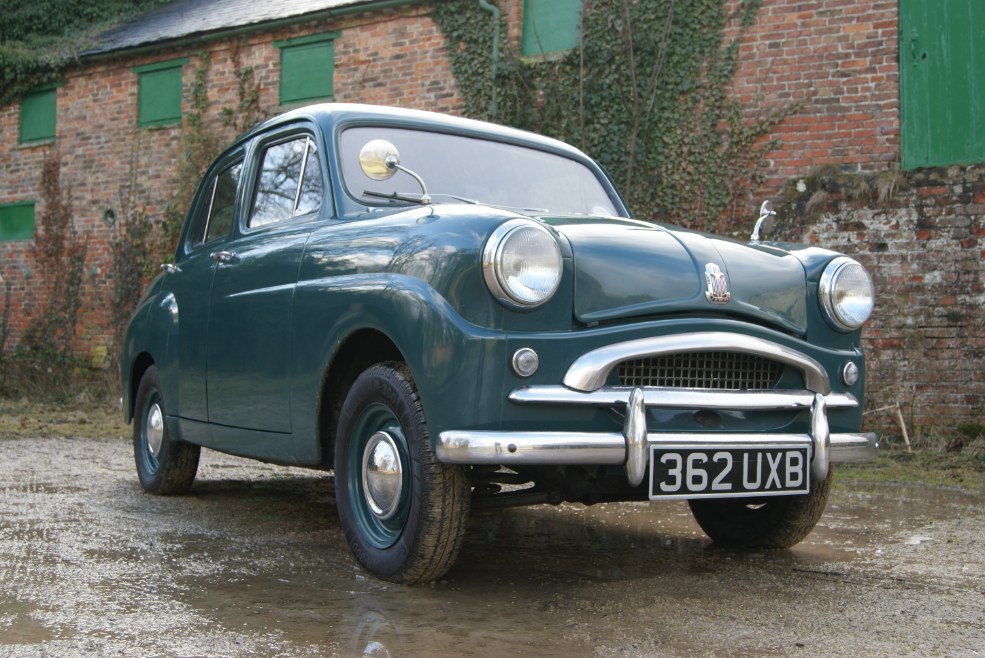
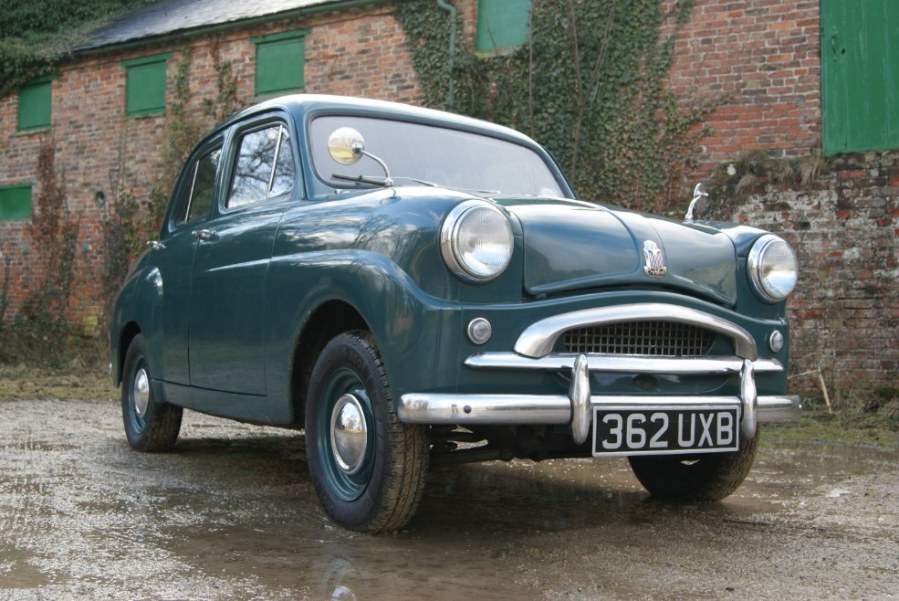
Such a brief might have produced a crude or simplistic design, but in fact what became the Standard 8, 10 and Pennant was remarkably forward-looking for the early 1950s. Much of what was innovative at the time later became commonplace, so the cars now seem conventional. These were Standard’s first unitary-bodied vehicles. Concern had existed that unitary bodies, with integrated panels, would be costly to repair after even minor collisions, so the new Standard featured bolt-on wing panels at each corner.
A subframe carried the engine, gearbox, front suspension and front bumper. Independent front suspension used coil springs, double wishbones and telescopic dampers, while at the rear a banjo-type live axle was suspended on leaf springs with lever-arm dampers. Brakes were hydraulic drums all round, though the steering lagged behind, using a Burman worm-and-nut system largely unchanged since the 1930s ‘Flying’ Standard range.
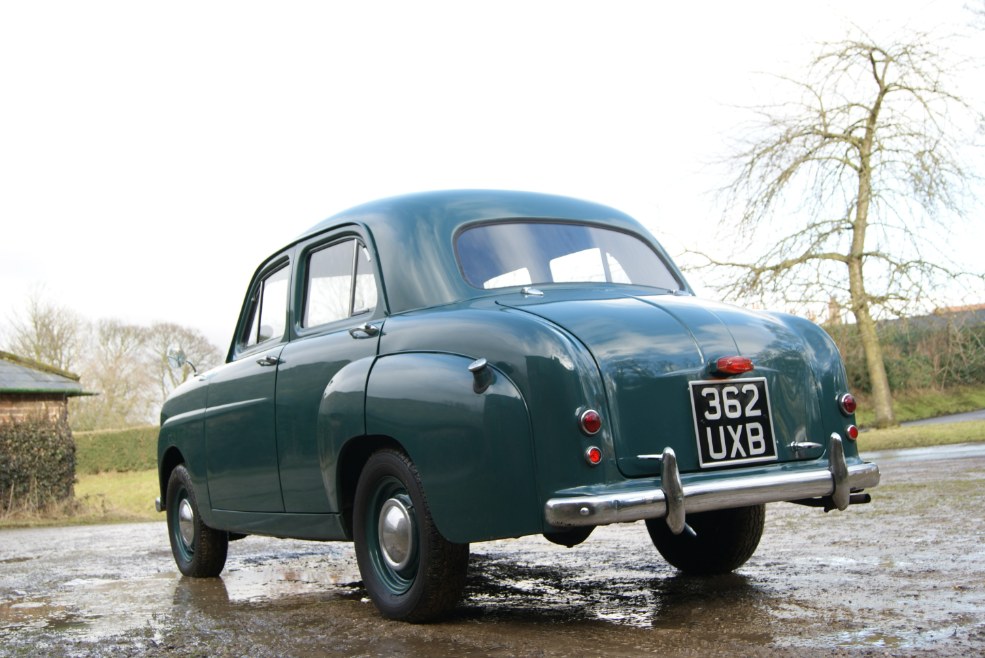
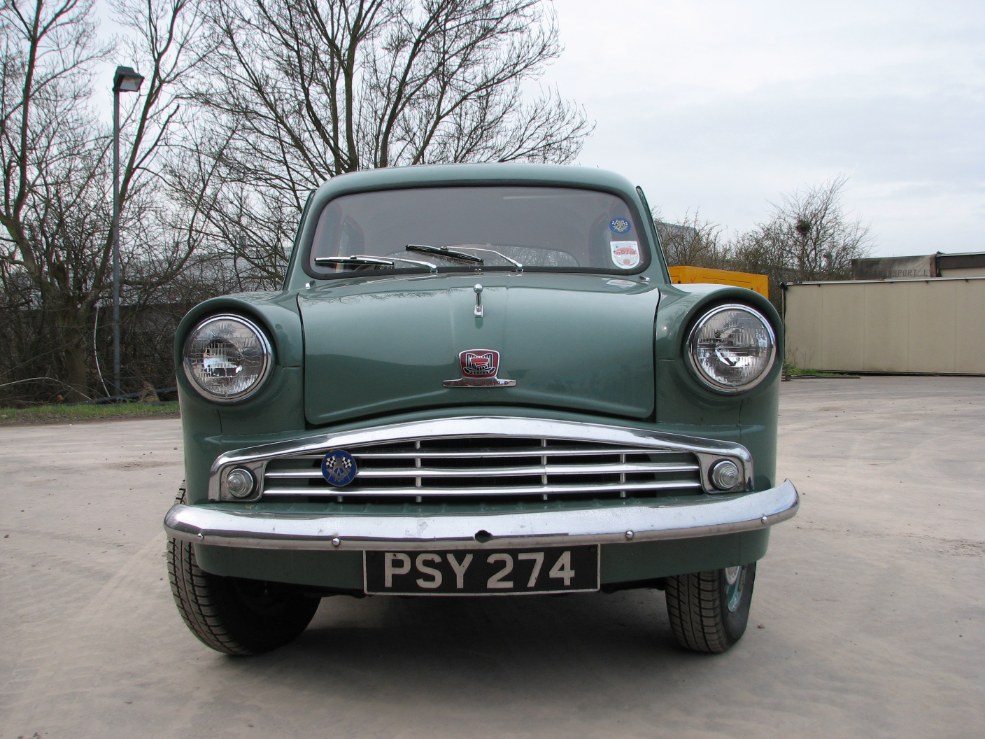
To achieve the required low price while incorporating these innovations, the specification had to be exceptionally Spartan. At launch, the Standard 8 (its name recalling a popular earlier small Standard, despite the abolition of the Horsepower Tax) featured vertically sliding windows, hammock-type seats, a single windscreen wiper, one sun visor, no hubcaps, no radiator grille and no boot lid – the luggage compartment was a single pressed unit, accessed from inside by folding down the rear seats. This enabled Sir John’s goal of undercutting the Morris Minor by up to £80, but the austere specification undermined the car’s advanced engineering, roomy cabin, fine driving qualities and economy. Most buyers paid dealers to reinstate the missing features as options.
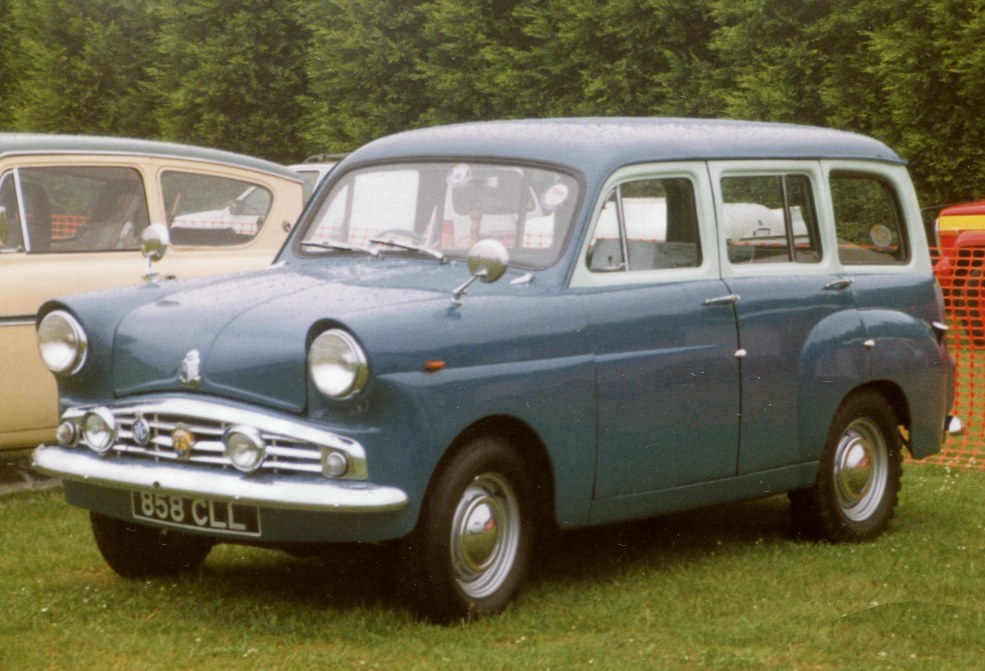
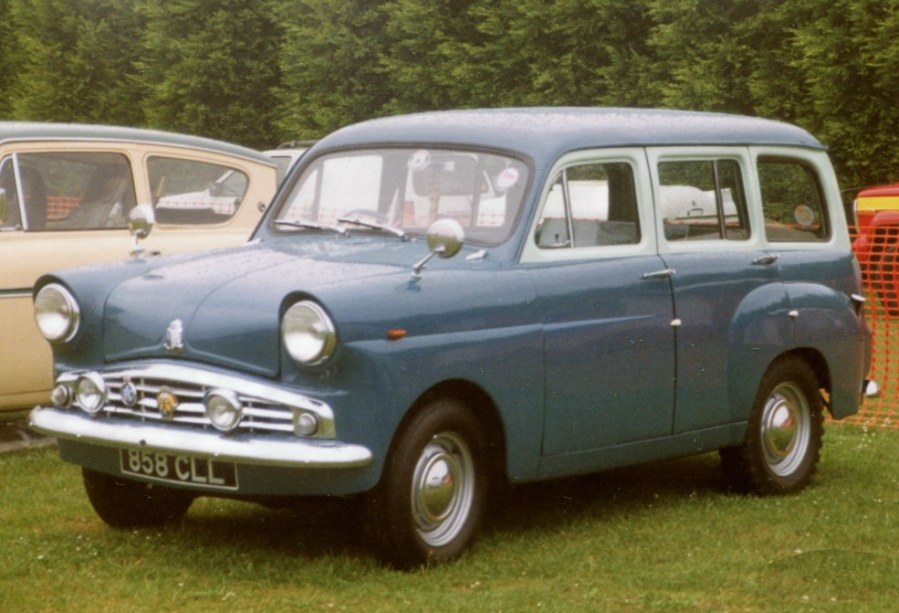
The story of the Standard 8, 10 and Pennant is one of gradual improvement from the monastic original, detailed in our timeline below. The bare-bones 8 could not remain so for long: the larger-engined 10 always offered a more conventional specification, and it soon became possible to buy an 8 with similar features, which most owners did. Standard also gained an edge over rivals with the 10 Companion, an all-steel five-door estate at a time when no other small estate on the British market combined such features. The small Standards sold well and made a useful contribution to the company’s profits.
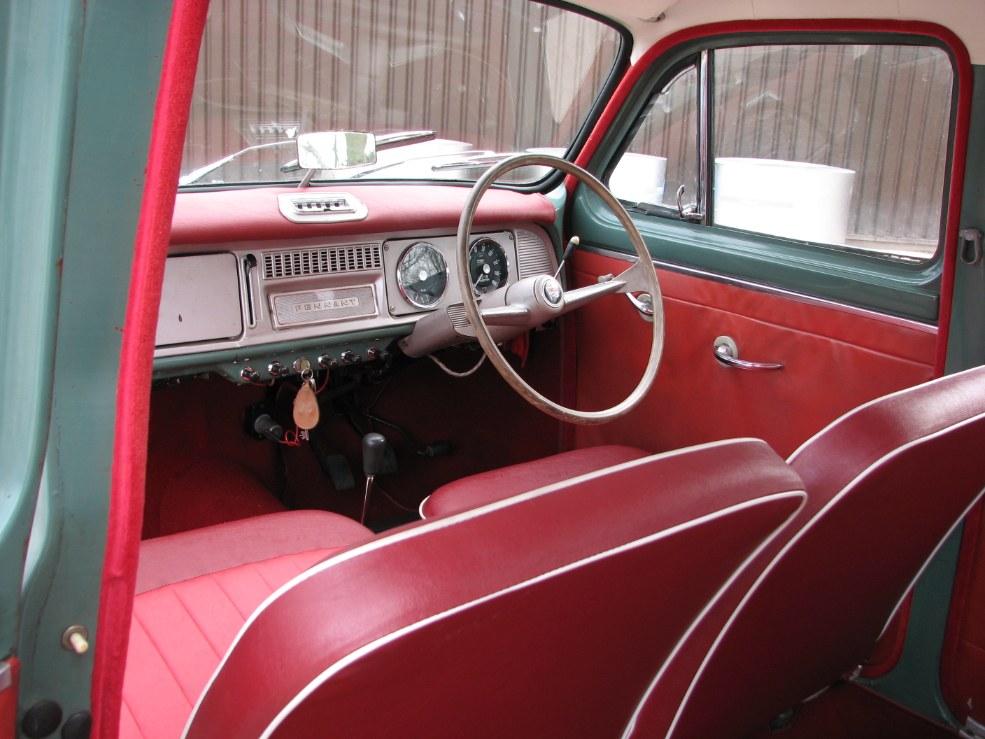
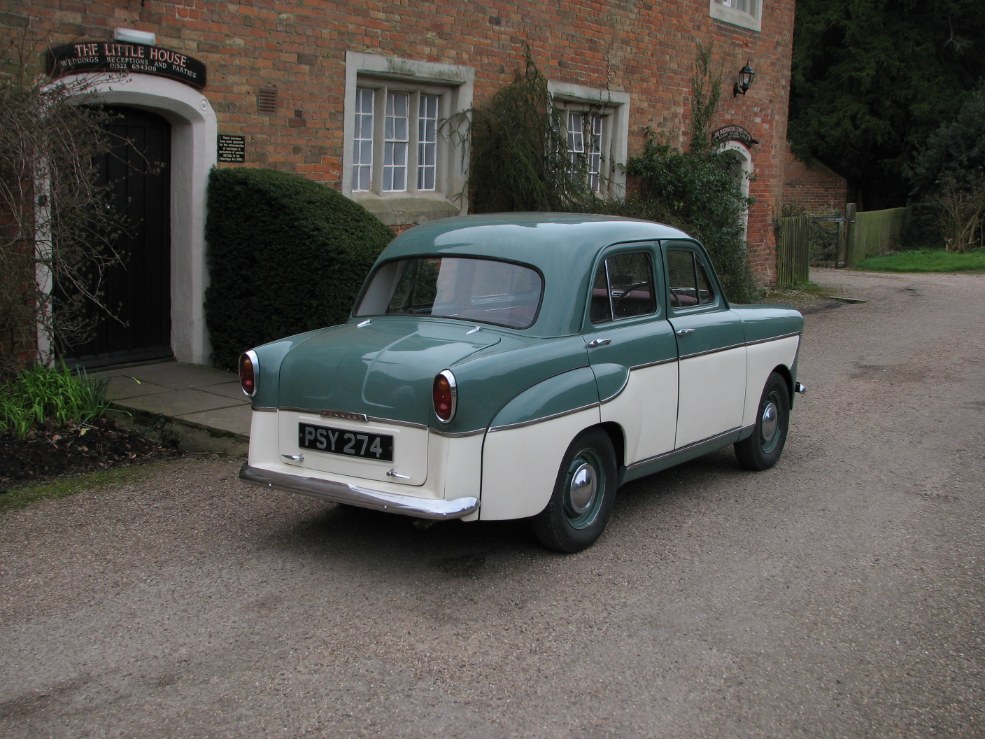
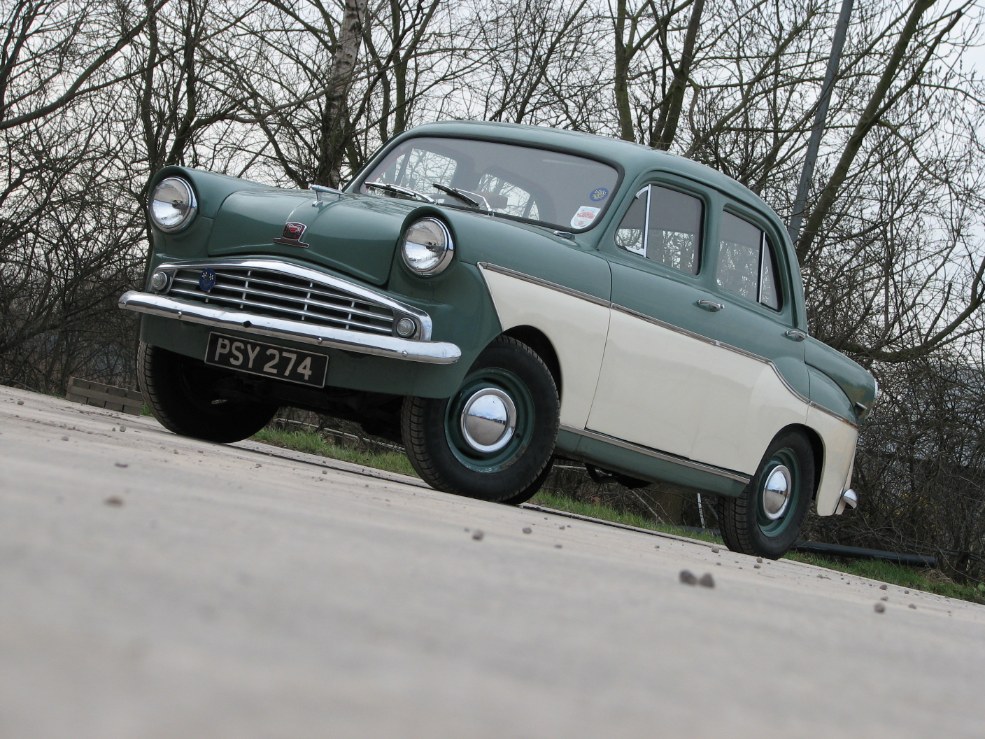
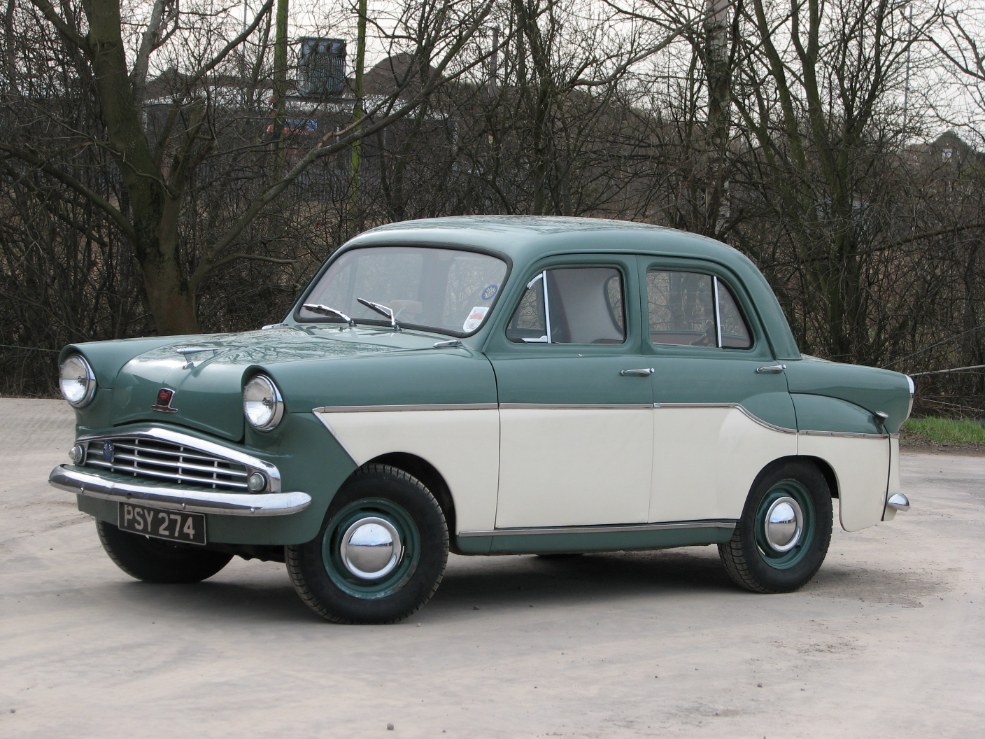
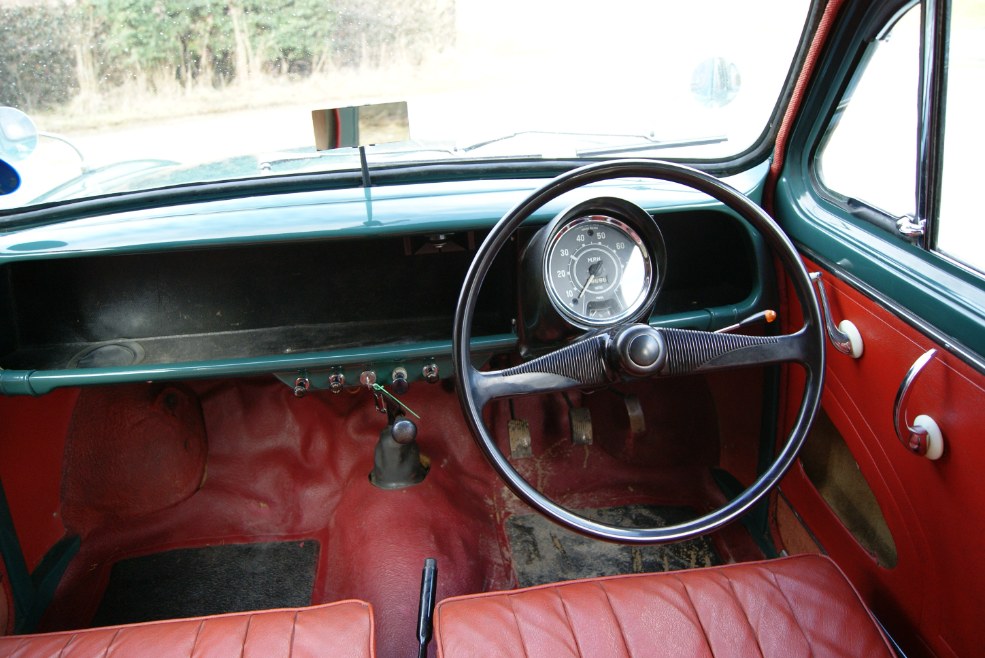
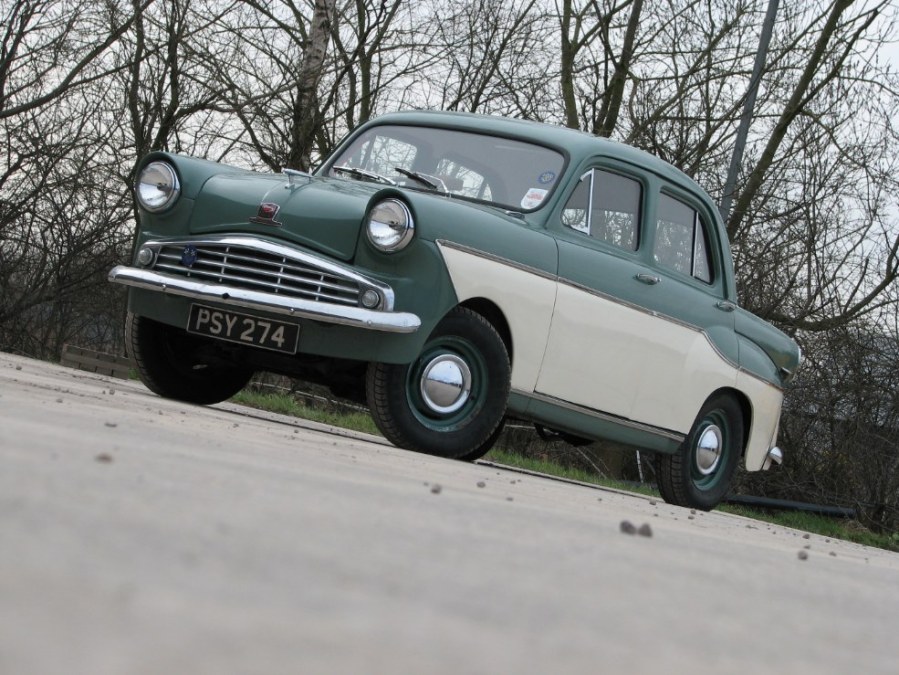
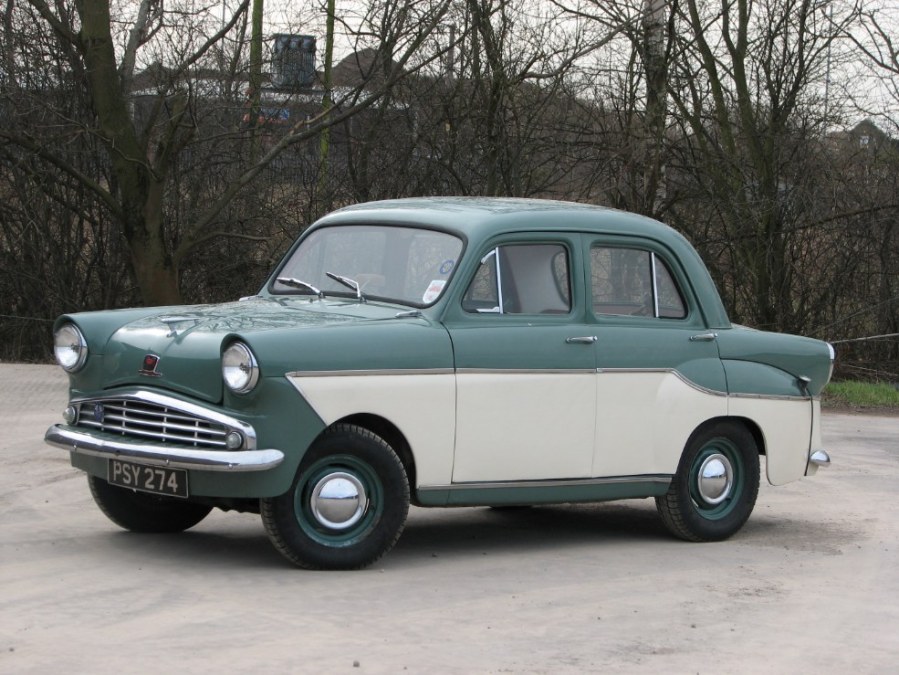
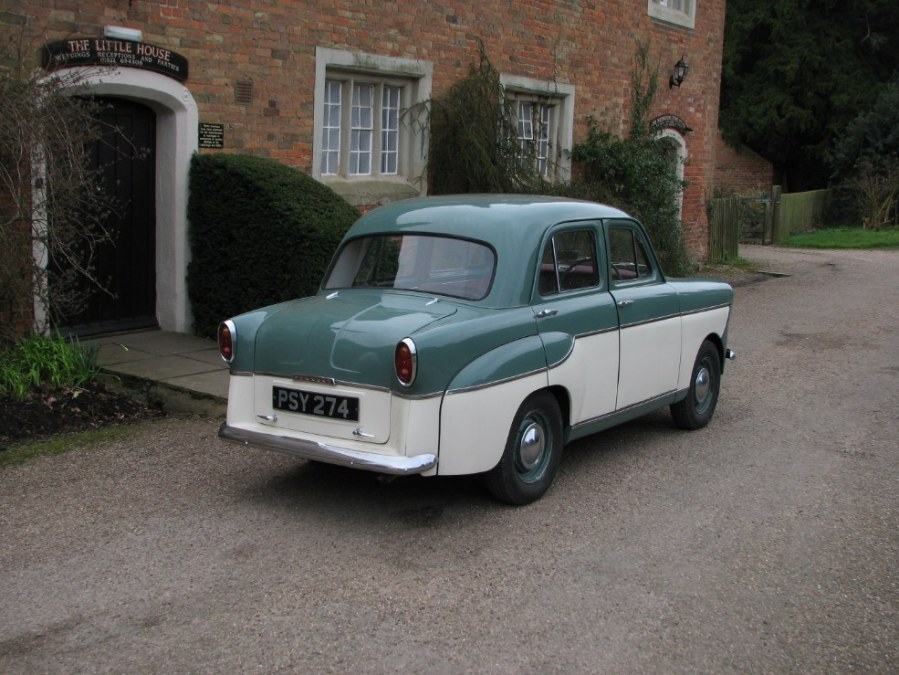
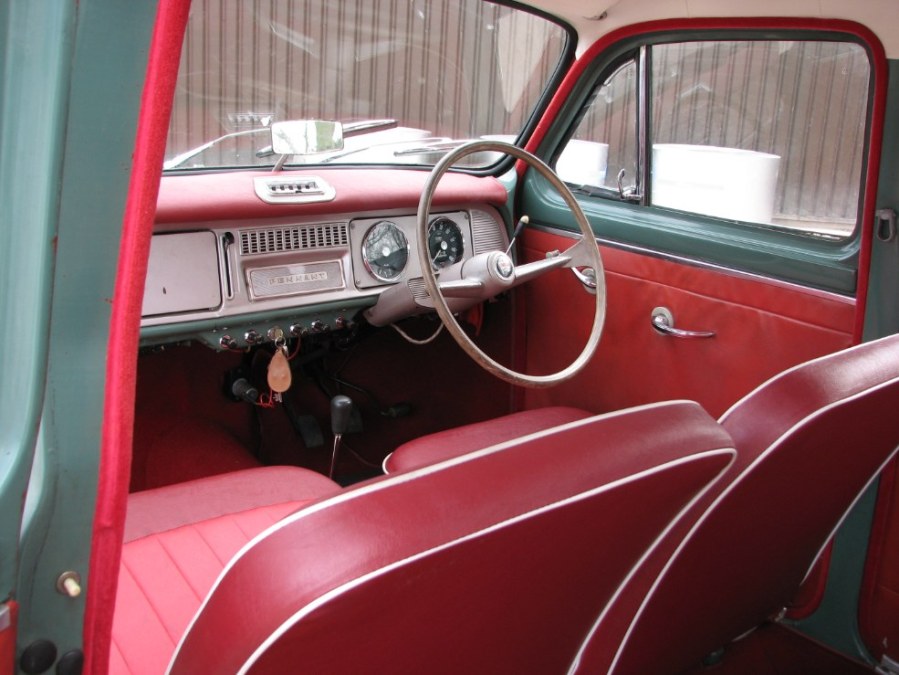
However, the austerity years were over, and buyers wanted – and expected – more than basic transport. By 1953, they sought hubcaps and two wipers; by 1957, at least some style, comfort and performance. Standard responded with the Pennant, instantly recognisable by its rear tailfins and (optional but widely chosen) two-tone paint. The interior offered plusher seats (with optional leather) and, instead of the 8 and 10’s practical fascia with a deep parcel shelf and a single instrument, the Pennant had a full-width dashboard with two instruments and fittings for an (optional) radio.
The Pennant boosted sales but not sustainably, and by the 1960s the Standard 8, 10 and Pennant – and the marque overall – carried a dowdy, old-fashioned, and unglamorous image. Standard-Triumph lacked the scale to compete in the fiercely contested mass market, and Triumph models could command a premium. The Standard 8 was replaced in 1959 by the new (and in many ways less advanced) Triumph Herald, with the 10 and Pennant withdrawn the following year.
Standard 8, 10 & Pennant values
The basic charms of the Standard saloons won’t set you back much: Values are fairly consistent across the models, and aside from those prepared for historic racing, the priciest examples of any of the trio rarely exceed £7000, which will generally get you near-perfection. A perfectly decent and presentable car with no major faults will sit around £4000-£5000, while a scruffier but usable example will cost £2000-£3000. Below that are project cars, with a complete and restorable example seldom fetching more than £1000.
The Standrive-equipped models’ reputation offsets their rarity, so they hold no clear premium. Estate versions are worth roughly 25 per cent more than an equivalent 10 saloon.
Insurance Costs
1958 Standard 8, £4000 value
Example quote: £109.97 or £127.97 with Agreed Value.
Quotation supplied by Lancaster Insurance. Tel: 01480 400761
Quote based on a 45-year-old marketing manager, access to another car, no claims or convictions, club member, 3000 miles per year, no modifications, living in SP2 0HL. Disclaimer: Subject to underwriting criteria. An additional charge may be payable. Authorised and regulated by the Financial Conduct Authority.
Bodywork
Many early monocoque cars were often over-engineered and structurally intricate, a reflection of their makers’ inexperience with unitary construction. The Standard 8, 10 and Pennant are quite the opposite – in a bid to keep weight and material costs down, they are a study in structural minimalism, with the metalwork often as thin as can reasonably be managed. This made them more susceptible to rust than their contemporaries, and it doesn’t (and didn’t) take much for corrosion to become a problem, as there is so little ‘spare’ metal – almost every panel has a structural role or connects to one that does.
That simplicity does, however, make rot relatively easy to detect, and repairs are generally more straightforward than on cars such as the Austin A35 or Morris Minor. The challenge lies in sourcing the parts, as the small Standards never enjoyed the sales figures, following or parts support of their more celebrated rivals.
Repair sections and panels for the most notorious rust spots are available, though anything beyond that presents a challenge – one that can be eased considerably by joining the Standard Motor Club, which maintains and continues to expand stocks of new and second-hand parts. Another factor in favour of the small saloons nowadays is that the true rot-boxes have long since disappeared – you’re far more likely to find a basically solid car than when scouring the small ads in the 1970s, when there was a genuine risk of ending up with something full of filler and newspaper.
The completely conventional design of the Standard means that the buying advice is almost generic. Like any unitary-build classic, the first area to inspect is the sills. They comprise inner and outer sections, both of which should be checked (visually, by gentle tapping with a hammer, and ideally with a magnet to detect any filler or fibreglass) for solidity. Pay particular attention to the front of the outer sill, where it forms the front wheel arch and meets the front wing. Look for welds indicating previous repairs, and if present, ensure they are sound and that new panels have not simply been welded over rusty originals.
Outer sills corrode from road water and mud, while inner ones fail if door and window seals leak (more common now on older cars with hardened rubber). Lift the carpets to examine floors and footwells for rust and general dampness. Repair panels for inner and outer sills are available from the SMC for around £65 each. Floor and footwell panels are not supplied but can be fabricated by a competent body shop – at a cost.
Damp and rusty footwells can also stem from more serious issues with a leaking scuttle vent flap. If the seal is perished or the flap lid itself is corroded, rainwater enters the scuttle, rotting the inner dashboard and eventually the bulkhead. Inspect the flap and scuttle externally, and the footwells and behind the dashboard internally. Rust here should be considered a major concern.
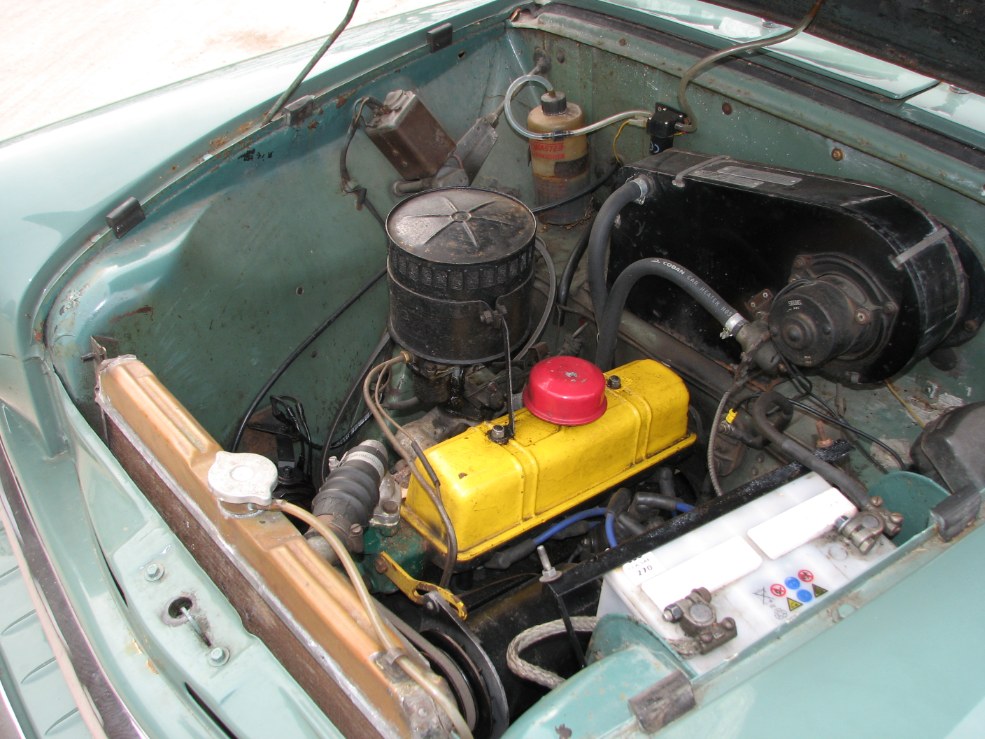
The Standard’s almost full-width bonnet provides a clear view of the inner wings. Examine the inner wings thoroughly, particularly around the front subframe mounts. From underneath, inspect the subframe itself by eye and hammer, including the front sections extending under the grille and where the bumpers attach. Localised rust can be patched, but more serious decay in the subframe will require removal, stripping, and substantial fabrication. Engine oil leaks often help preserve it, but with cars now well into their 60s, vigilance is required. Finally, check the bulkhead for rust caused by a decayed scuttle vent, acid spills from the battery, or fluid leaks from the brake and clutch reservoirs.
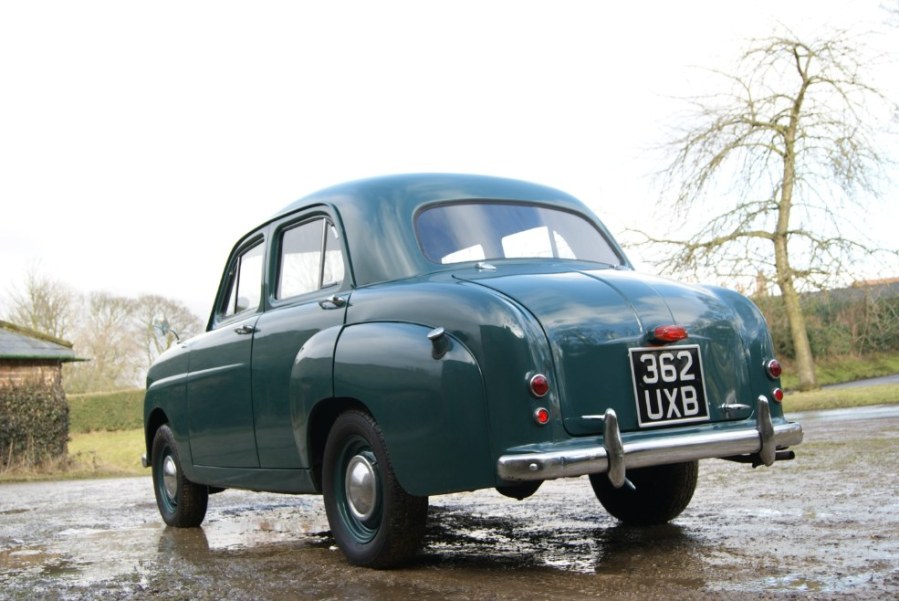
A notable feature of the Standard 8, 10 and Pennant was their bolt-on wings, but replacements are scarce these days, so inspect the outer wings carefully. The front wings are particularly prone to rust around the headlamps; separate repair sections exist to cover this whole area, though they can be tricky to weld in.
Another key spot, also served by an off-the-shelf repair panel, is the lower rear corner of the wing above the front sill. The rear wings also corrode at their lower rear corners near the bumper, and replacement panels for this section are no longer available. Check the waistline where the rear wing bulge meets the body for paint bubbling or surface rust, as water can seep beneath the paint here.
Front and rear wheel arches rust in the usual way. No specific repair panels exist, but they are relatively straightforward to fix if the corrosion is light and localised. Doors can rust along their lower edges, and on early cars also at the top edges where the B-pillar semaphore indicators were fitted. Secondhand doors are stocked by the SMC and occasionally appear at autojumbles, though finding early doors in good condition with sliding windows and semaphores is now very difficult.
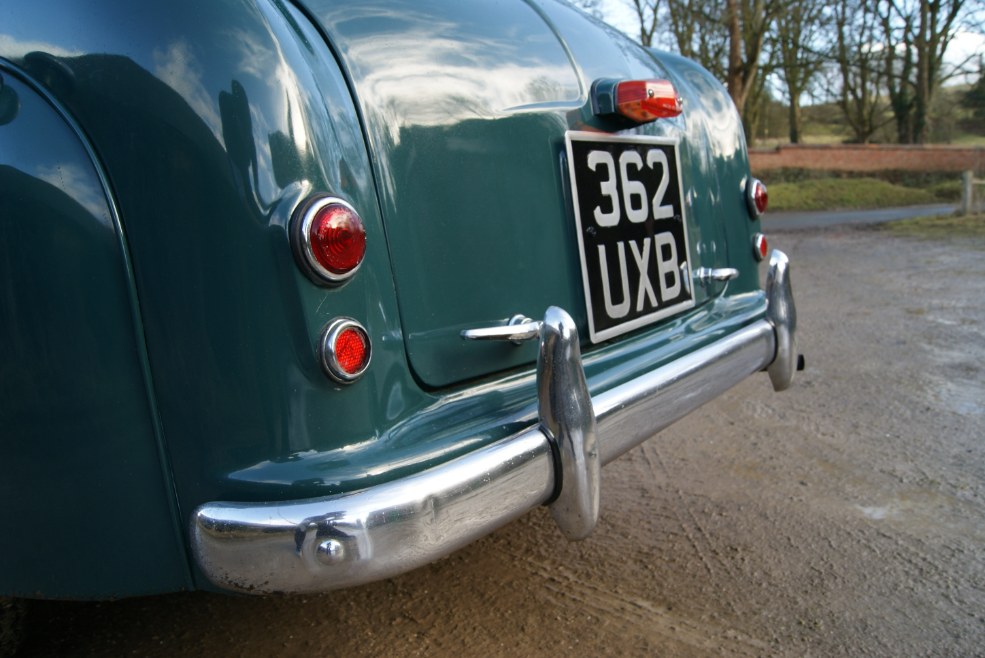
Perhaps surprisingly, chrome work, badges and other body trim items are not such a problem, as many are reproduced new, including bumpers and hubcaps. Availability generally favours later, higher-spec models, so if you are looking at an early 8, ensure that any remaining brightwork is in good condition.
Engine and transmission
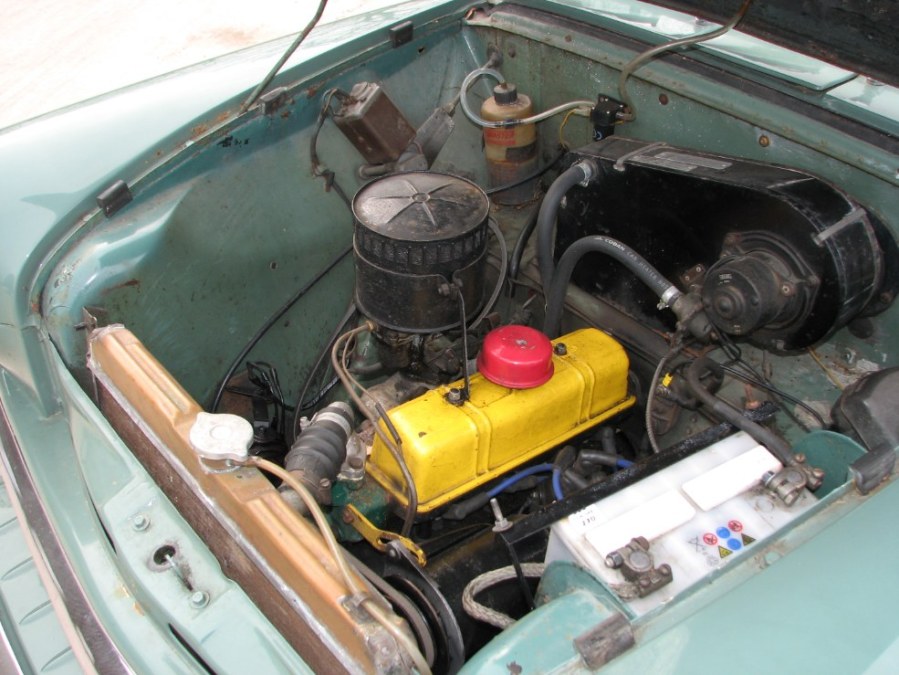
The Standard 8 marked the debut of the Standard-Triumph ‘SC’ (‘Small Car’) four-cylinder OHV engine, which would go on to power a wide range of classic Triumphs right through to the 1980s and later be expanded to six-cylinder form for larger and more exotic models. It proved generally reliable even in higher capacities and outputs, so there is little to worry about when inspecting the engine bay of a Standard.
Check for typical signs of wear – major oil leaks from the crank seals, particularly at the rear (though modest drips are normal), seeping rocker cover gaskets, blow-by from the oil filler cap when idling, blue exhaust smoke and dark, dirty oil. Standard cars have no oil pressure gauges, so ensure the warning light remains steady when idling warm and goes out reasonably quickly after a hot start. Aftermarket gauges are not uncommon; ideally, you want to see around 20psi at a hot idle and at least 40psi under driving once everything is up to temperature.
These engines do not have entirely bulletproof bottom ends, but this mainly affects the 1.5-litre, 60-something horsepower versions of later decades. Listen for rumbling or knocking under acceleration. Parts are plentiful and the engines are simple to work on, so a worn motor in an otherwise decent car is usually worth accepting – far better than the reverse.
The Achilles’ heel of the SC engine is its thrust bearings, which are inherently weak and only just cope with the loads of a small saloon with sub-one-litre capacity. They wear quickly, causing further wear to the crankshaft, main bearings and, in serious cases, damage to the block. It’s easy to check: if engine speed drops when the clutch is depressed with the engine idling in neutral, be suspicious. An assistant is useful to operate the clutch while you watch the front crank pulley for any visible back-and-forth movement. In severe cases, freeplay can be felt by hand on the front pulley (with the engine stationary). Damaged thrust, main and big-end bearings may also leave silvery deposits or swarf in the oil.
Alongside the engine, the Standard 8, 10 and Pennant introduced the SC range of gearboxes, which also served many small Triumph variants over the next three decades. They are straightforward, with the main issues being mileage-related wear. Synchromesh on the top three gears can fail after decades (especially the third-to-second set), giving crunchy changes. Rumbles or whirs indicate worn shaft bearings, while whining or shrieking under load points to worn gears. Severely worn boxes may jump out of gear when power is suddenly applied or removed. Most consumables are available new, the units are simple, and rebuilds are very cost-effective. Chattering idler gears in neutral, first and reverse (which vanish when the clutch is depressed) are normal and not a concern.
From 1957, the Standard 8, 10 and Pennant could be specified with a Laycock electric overdrive, addressing a long-standing criticism – their low overall gearing. It remains a desirable feature today. Parts and repairs are well supported; check that it engages on all gears except first and reverse. Intermittent or failed engagement usually indicates a poor electrical connection at the controls, inhibitor switch or solenoid. If it engages but won’t stay engaged (especially when warm), an internal fault like a worn clutch or actuating cam is likely, requiring a strip and rebuild. Noise or vibration generally points to wear in bearings or gears.
Later models offered ‘Standrive’, a semi-automatic two-pedal system with a centrifugal clutch that could also be operated via a servo-control button on the gear lever when moving. The system even blipped the throttle automatically when changing down. While it worked well when new, it was expensive, complex and full of solenoids and vacuum valves, requiring specialist servicing and adjustment.
Standrive cars sold poorly and quickly fell into disrepair on the second-hand market – they are extremely rare today. Although the system is similar to the ‘Manumatic’ in some contemporary BMC cars, parts and expertise are scarce. They make for a fascinating and unusual find, but if you intend to buy one, ensure the system works correctly under all conditions and ideally comes with a box of spares.
Suspension, steering and brakes
This is all straightforward, durable stuff that mainly just needs checking for general wear and faults. Bounce each front corner and ensure the dampers control the body’s motion in a single up/down/return cycle. New springs and dampers for the front are readily available, so worn parts here are not a concern. The SMC also supplies sets of rubber “donut” bushes for the front subframe mounts – three per side – which, given the age of these cars, can be badly perished.
The SMC additionally produces new bushes for the suspension arms, six per side: two at the inner ends of the upper wishbone, two at the inner ends of the lower wishbone, and two at the lower wishbone trunnions. Check all of these with a firm pry using a bar, and wobble the front wheels off the ground to inspect for play. Wheel bearings are also readily available if they show signs of wear.
At the rear, examine the lever arm units for oil leaks around the valve bodies and arm spindles. Ensure the leaf springs are not seized, splayed with rust, or sagging – new springs are not available, so they need to be in good condition. Shackle bushes and bolts are obtainable, so wear here is less of a concern.
None of these cars came with an anti-roll bar as standard, though Standard did offer a front bar as an aftermarket option. The SMC sells a complete kit that can be fitted without drilling or cutting, providing a noticeable improvement in roadholding and cornering.
For the steering, aside from checking for play in the joints, the key is correct lubrication of the steering box. The Burman box wears relatively quickly, evident as excessive slop or, in severe cases, free play allowing the wheel and column to be moved back and forth. Parts for rebuilding the steering box can be obtained via the SMC, and the Club also runs an exchange scheme on rebuilt boxes for around £450 each.
Brakes require only general inspection. They demand more planning and pedal pressure than modern systems, but they should provide adequate stopping power for a car as light and modest in performance as a small Standard. Ensure the car stops evenly, without pulling to one side, and that the pedal does not feel soft or “pump up,” which would indicate a worn master cylinder. Leaky wheel cylinders, contaminated shoes, or warped drums will all affect braking, showing as uneven performance, grabbing, or vibration. Aftermarket kits are available to fit a servo and front discs, which greatly improve usability but compromise originality.
Interior, trim and electrics
There isn’t a great deal to the interior of a small Standard, but what is present really needs to be in good – or at least reasonable – condition, as sourcing replacement trim is tricky and having worn parts refurbished or remade from scratch can be costly. The SMC does hold a stock of decent secondhand seats for members, though they may not match a car’s original colour and will still be over 60 years old. Door trims and headlining are even more difficult to track down, although a trim specialist could produce a replacement headlining at a modest cost.
All of the above applies, and even more so, to the Companion estate – interior and trim parts specific to these are extremely rare.
Lights, switches and instruments are standard components and some are still available new, though faulty instruments are more likely to require rebuilding by a specialist. The Pennant, with its unique fascia, has different instruments that are now much rarer, along with other Pennant-specific interior items.
The lighting considered acceptable on 1950s economy cars differs greatly from today’s expectations, so it’s unsurprising that kits exist to convert these cars to halogen headlamps – a highly desirable upgrade now. So too is a conversion to an alternator, most commonly using a unit from a later SC engine, which is the most cost-effective option. There are also ‘stealth’ kits that fit an alternator disguised as a dynamo, for those wishing to retain the car’s period appearance.
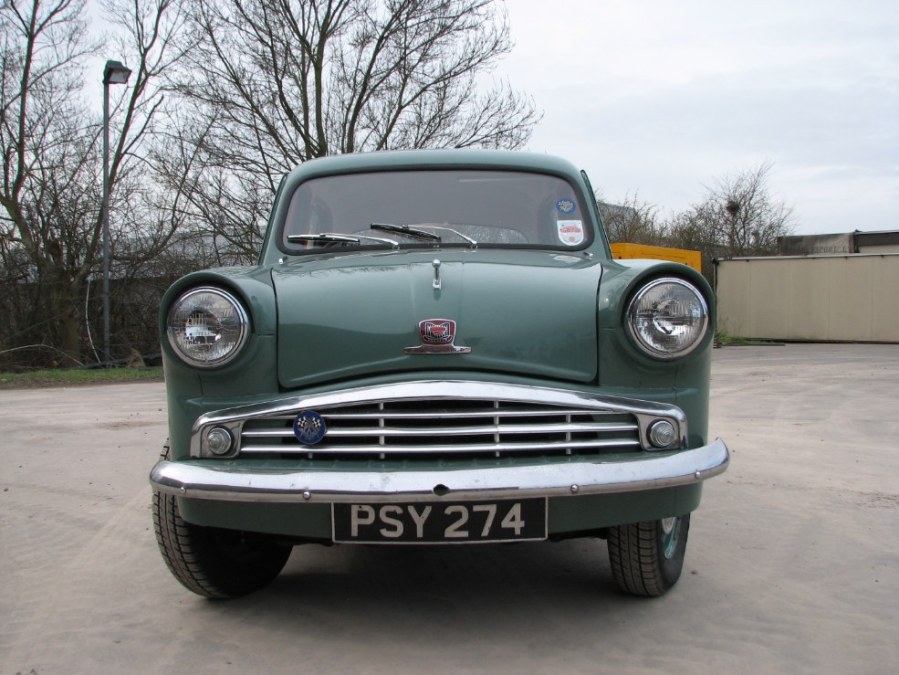
Standard 8, 10 & Pennant: our verdict
The small Standard saloon range is largely overlooked in favour of more prominent rivals and, if it is remembered at all, it is usually for the surprisingly basic specification of the original model. That does the car an injustice, for it was in fact a remarkably modern and clever vehicle, offering more than many competitors at a lower cost. While Austin and Morris allowed their models to stagnate, Standard made small but continual improvements, producing a practical and generally well-engineered car with few quirks.
The Standard 8, 10 and Pennant are neither glamorous nor thrilling, yet they possess a great deal of charm. Thanks to their robust construction, the longevity of their drivetrains after the models were discontinued, and the dedication of enthusiasts and owners’ clubs, they are surprisingly easy to live with – providing, of course, that you start with a decent example.
Standard 8, 10 & Pennant timeline
1953
Standard 8 launched, with 803cc 26bhp engine and direct-action gearchange. No boot opening, hammock-style seats with synthetic fabric and sliding windows. One windscreen wiper and sun visor as standard, with second items and hubcaps optional.
1954
The Standard 10 is introduced in March. 948cc 33bhp engine, Vynide trimmed and upholstered seats, two sun visors, two windscreen wipers and hubcaps as standard, plus a chrome radiator grille. The Companion five-door estate car (below) is introduced in October, based on the engine and trim of the 10.
1956
Introduction of the Super 8 and Super 10 models. The Super 8 is essentially a Standard 10 with the engine from an 8, while the Super 10 features a proper boot lid and more exterior chrome (such as bumper overriders). Shortly afterwards the Family 10 is launched, which combines the engine of the 10 with the basic body and interior of the 8.
1957
What are now known as the Phase 2 models are launched in March. They now have ‘Gold Star’ engines with higher compression ratios (and gold-painted rocker covers), making 30bhp in the 8 and 37bhp in the 10. Laycock overdrive now optional on both models, and both feature a restyled grille. All have boot lids other than the most basic (and rarely purchased) Standard 8.
The Standard Pennant is launched in October, being effectively a high-spec 10 with finned rear quarters, a full-width grille, optional two-tone paint, a full-width dashboard, duo-tone ‘Vynair’ interior and a remote gearshift. The Pennant also features variable-rate rear leaf springs for an improved ride quality, which are gradually introduced to the other models during 1958.
1959
With the start of Triumph Herald deliveries, production and sales of the Standard ‘SC’ range ceases in November. Sales of the 8 cease immediately, while those of the 10 and Pennant continue at a slow pace until early 1960, ending once stocks are depleted.
1961
The Companion remains in production until the launch of the Herald 1200 Estate in the summer. In total over 369,000 of the Standard 8, 10 & Pennant family were built, of which the Ten accounted for over 172,000.