
The capable yet divisive Rover 200 BRM was misunderstood at launch but has become an exceptionally rare modern classic
Following the launch of its all-new 200, Rover wanted to launch a performance version to put the model on the map – but keen to ensure MG stayed relevant to sports cars, BMW was reluctant to allow Rover to use the famous octagon badge on the new car.
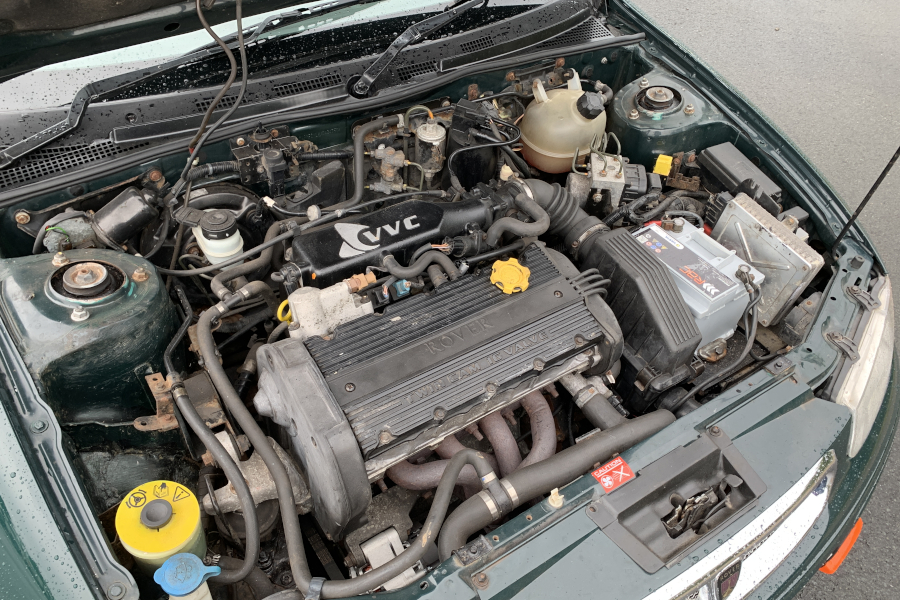
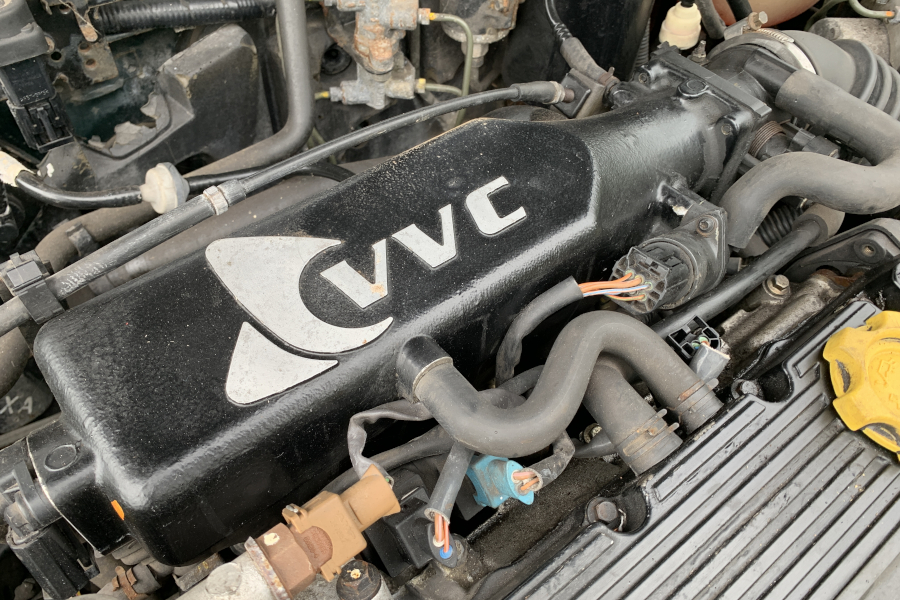
A hunt through the history books revealed a link between Rover and racing manufacturer BRM – not least, the Rover BRM turbine car of the 1960s which raced at Le Mans. The BRM nameplate was therefore chosen as the basis for a limited edition based on the VVC-engined 200vi. Usage of the BRM name was granted on the understanding that Rover would take the concept of performance saloons seriously.
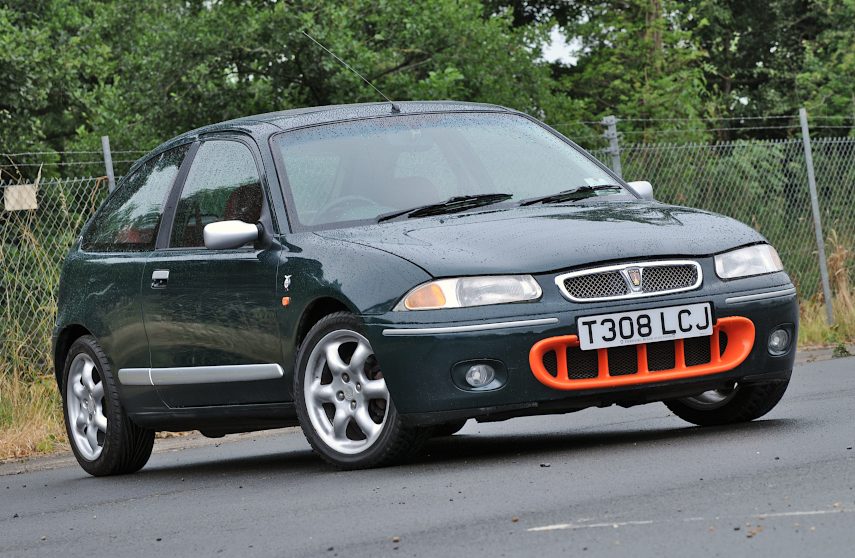
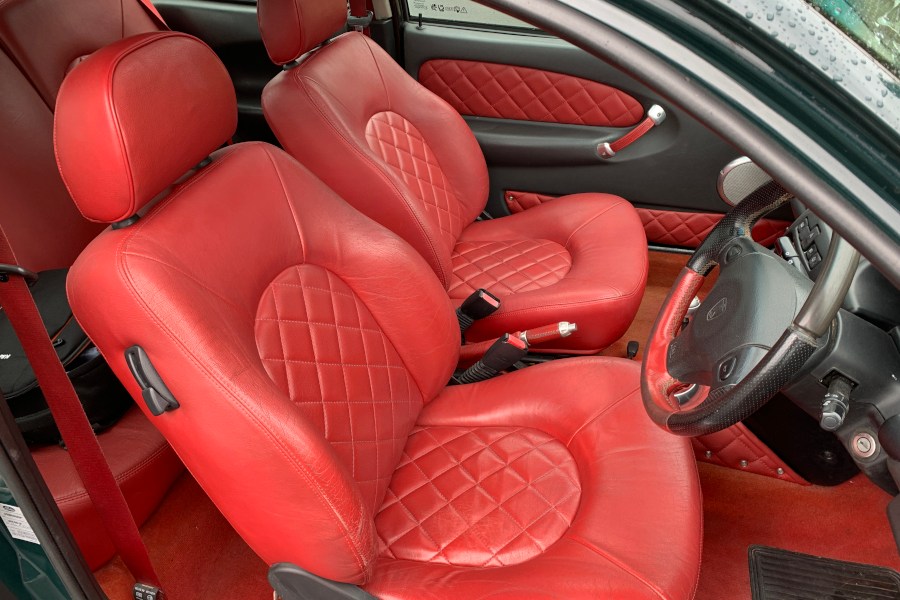
The 200’s ride height was lowered by 20mm, the springs and dampers tweaked, and a Torsen diff fitted courtesy of the 220 Turbo Coupe. This was no showroom special – it was genuinely a much sharper driver’s car than the standard model. But while the marketing men loved the idea of BRG with a BRM-inspired orange nose cone and quilted red leather seats, buyers were not on the same page.
With dealers forced to spray the nose cone silver just to shift cars, it seemed like a failure – Rover also had to reduce the car’s price and tempt buyers with zero-percent finance, free insurance and servicing deals. Production was completed in 1999 but the final example wasn’t registered until April 2002.
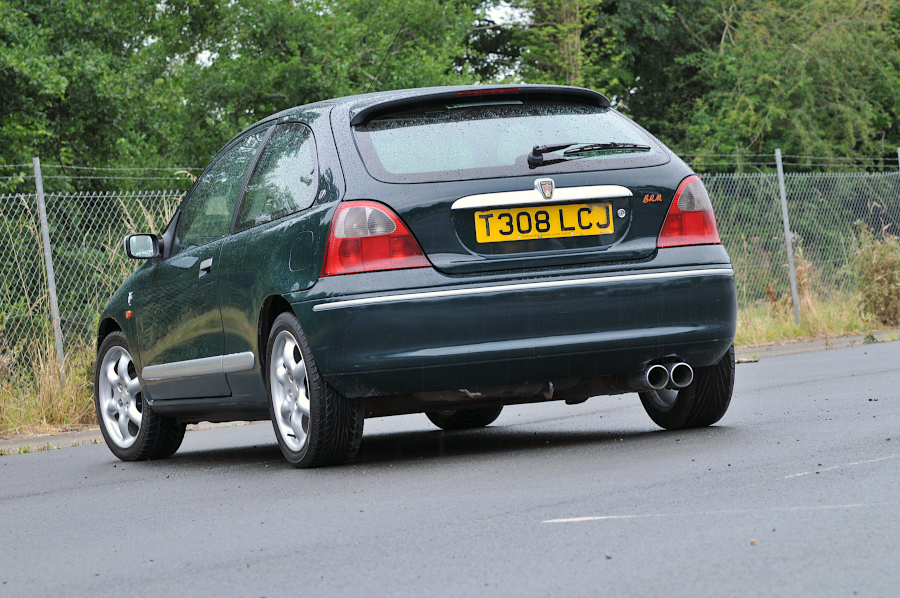
Today, however, the BRM’s cult appeal makes it one of the coolest 1990s Rovers to be seen in. 795 were built for the UK with 350 for overseas markets – those which survive are now fiercely prized.
The BMW era at Rover saw the brand lean increasingly on its heritage, the ultimate evolution of the stylised Bavarian ideal of British style being the chintzy Rover 75. Along the way though, a few highlights slipped under the radar which proved the development engineers were still very much alive – and one of them was the Rover 200 BRM limited edition.
If you’ve not heard of it then you can be forgiven, since it’s one of the rarest of all the modern Rovers, but think Clio Williams or Civic Jordan and you’re halfway there. Except that in the case of the Rover, the GP team from which it took inspiration had already been dormant for over 20 years.
The association between the illustrious British Racing Motors – famed for its V16 engine – and Rover, went back to the 1960s when BRM had assisted in preparing a Rover gas turbine-powered car for Le Mans and when a hotted-up Rover 200 was proposed in the mid 1990s, it seemed like a good name to lean on. The then-owner of the name, Rubery Owen (of Rostyle wheel fame) agreed to a five-year deal and the scene was set.
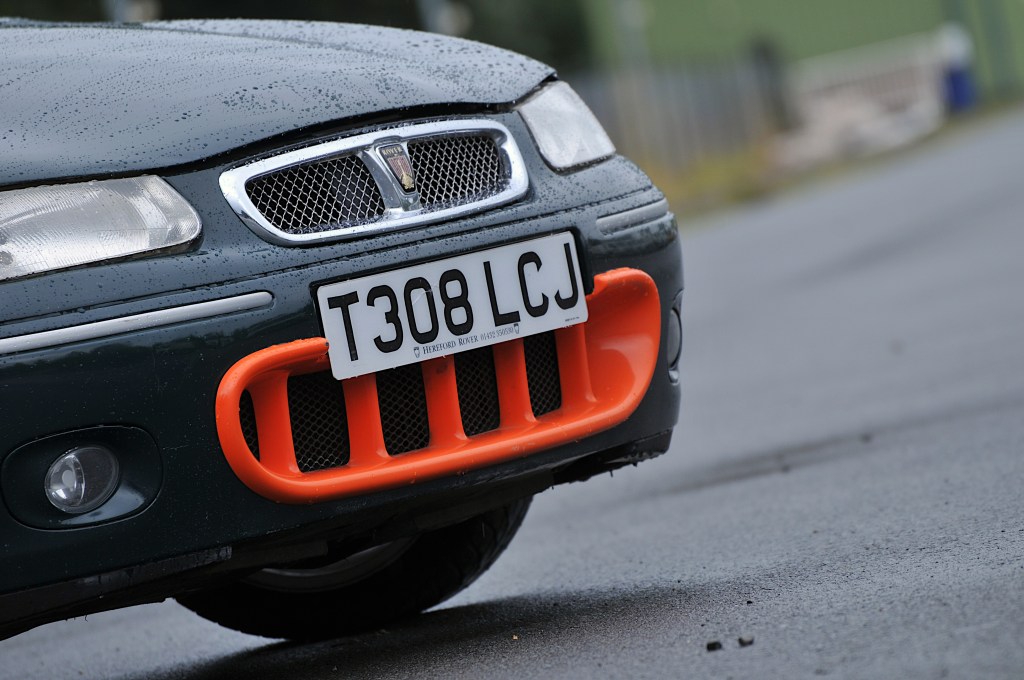
The style both inside and out was clearly influenced by the BRM connection, most obviously in the bright orange nosecone which had been a signature style of the team’s Grand Prix cars in the 1950s, before the advent of sponsorship.
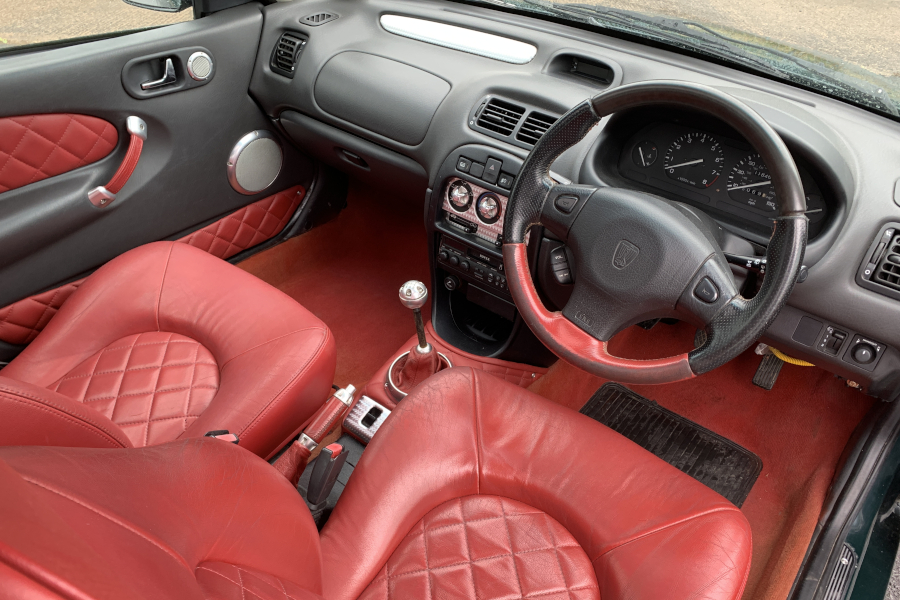
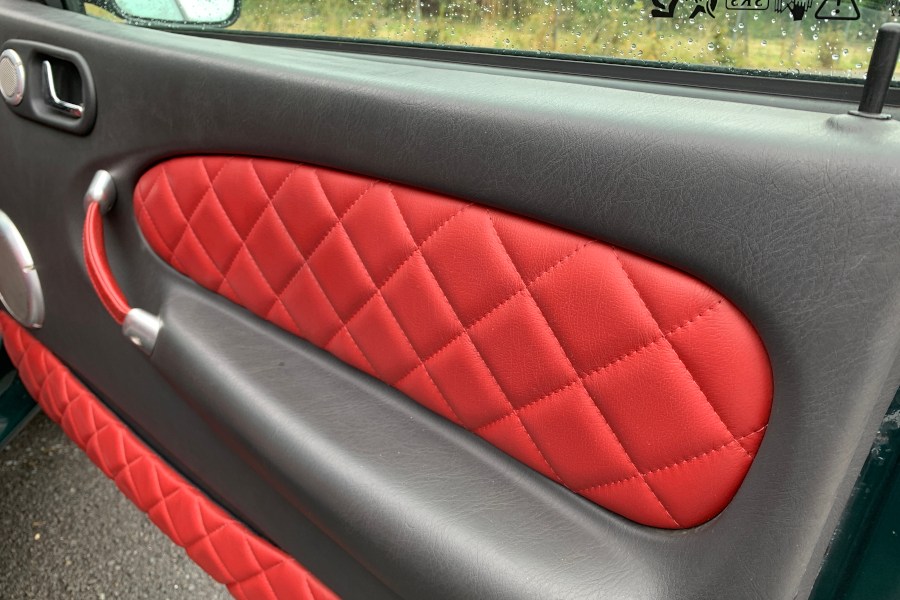
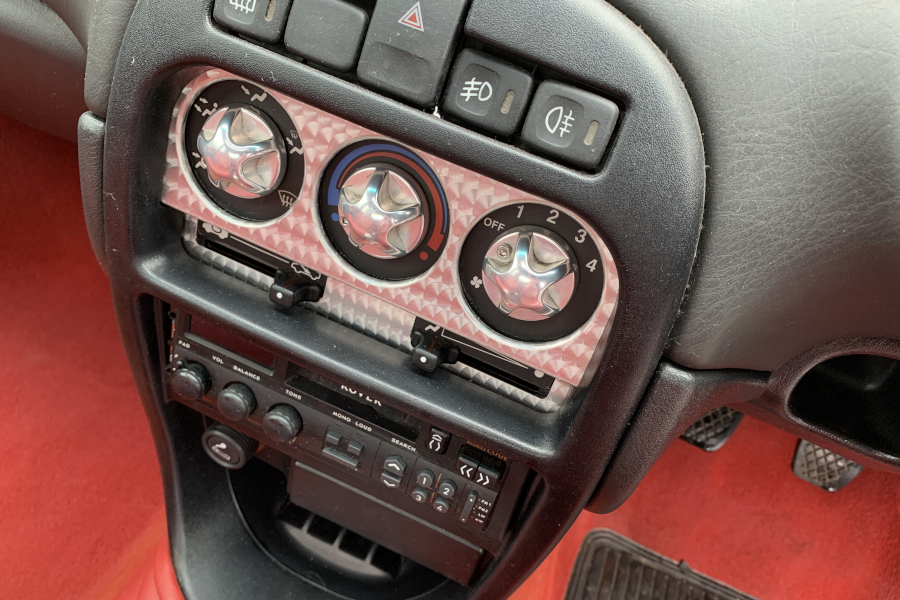
The 1950s racer theme continued on the inside, with an interior designed by Tony Hunter who would go on to lend his skills to BMW’s MINI project. It was lavishly trimmed in diamond-stitched red leather, with milled aluminium heater controls and other touches livening up the normally anonymous Honda-derived cabin.
The end result was something which looked like no other Rover before or since, but in many ways the red leather and orange nosecone were the car’s undoing. Certainly road testers tended to concentrate on the cosmetics and ignore the driving qualities of the car, which were recognised by the few who did bother as excellent to the point of being class-leading.
However, the effort that went into creating this special-edition car extends to so much more than just red leather. Trimmed in matching hide, the door cards feature a leather strap rather than the original plastic pull handle, while the milled aluminium heater controls look like they belong in a modern Bentley rather than a humble Rover.
It’s was a proper job, with the backing panel also in aluminium and featuring a machine-turned pattern and the same treatment being applied to the electric window switch panel. A matching aluminium gearknob featured as well as handbrake button, with silver plastic surrounds for gearlever base and speakers.
The BRM was undoubtedly a capable hot hatch thanks to its combination of a lively chassis and fizzy K-Series engine – but its heritage-leaning looks were broadly misunderstood by the general buying public.
It’s a lesson that ultimately was learned by the post-2000 MG Rover Group; its revival of MG with a lineup of Rover-based hotted-up models was designed to appeal to a new generation of enthusiasts who cared more about large wheels and bodykits than Grand Prix pedigree. These models have enjoyed their own rise to modern-classic stardom today and the 200 BRM should be considered alongside them as the car that started it all.