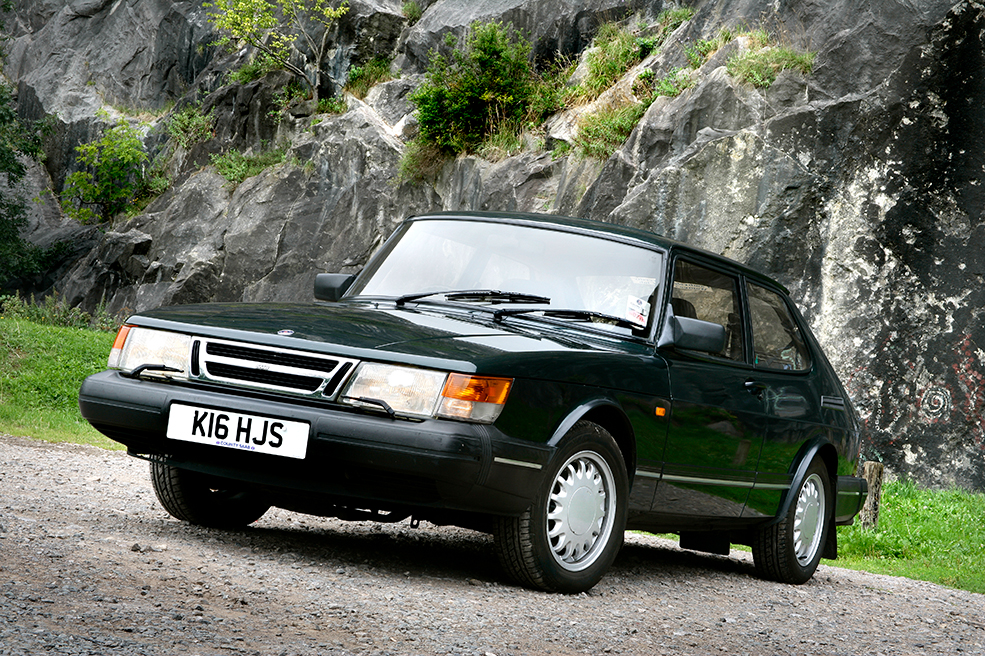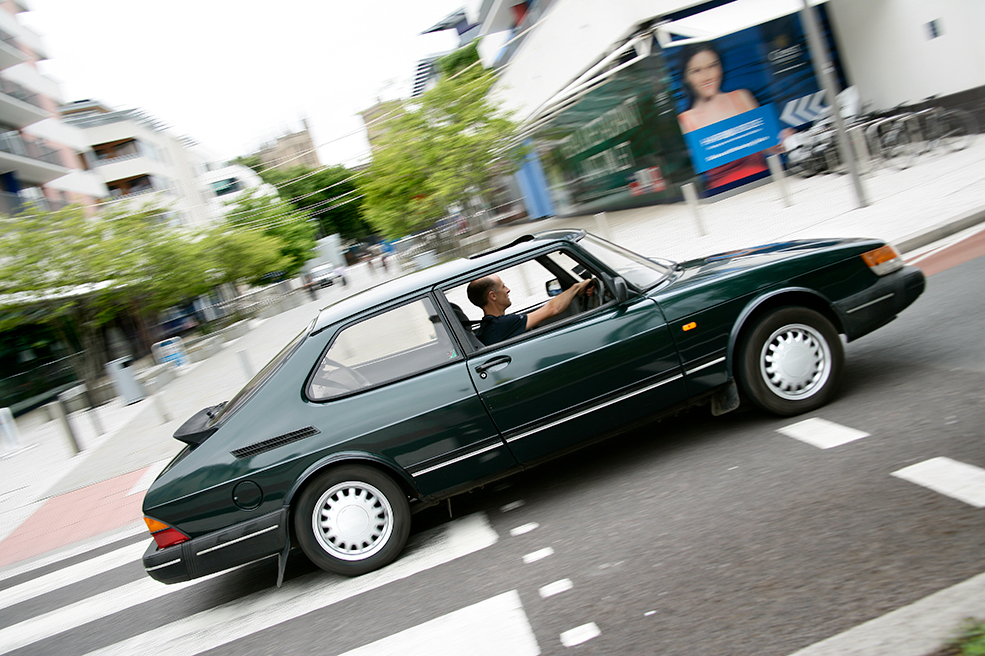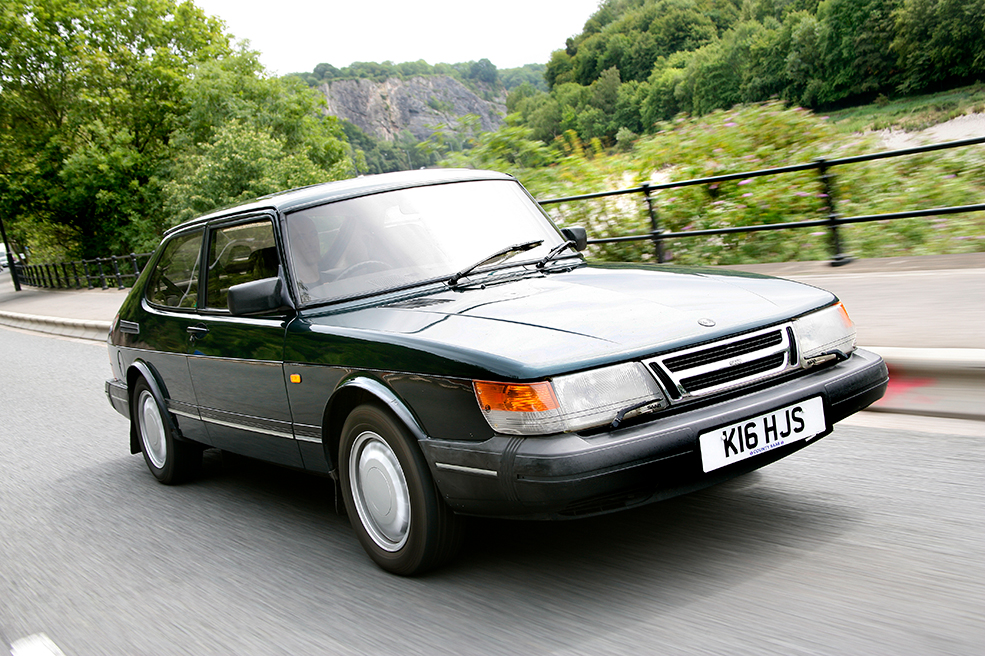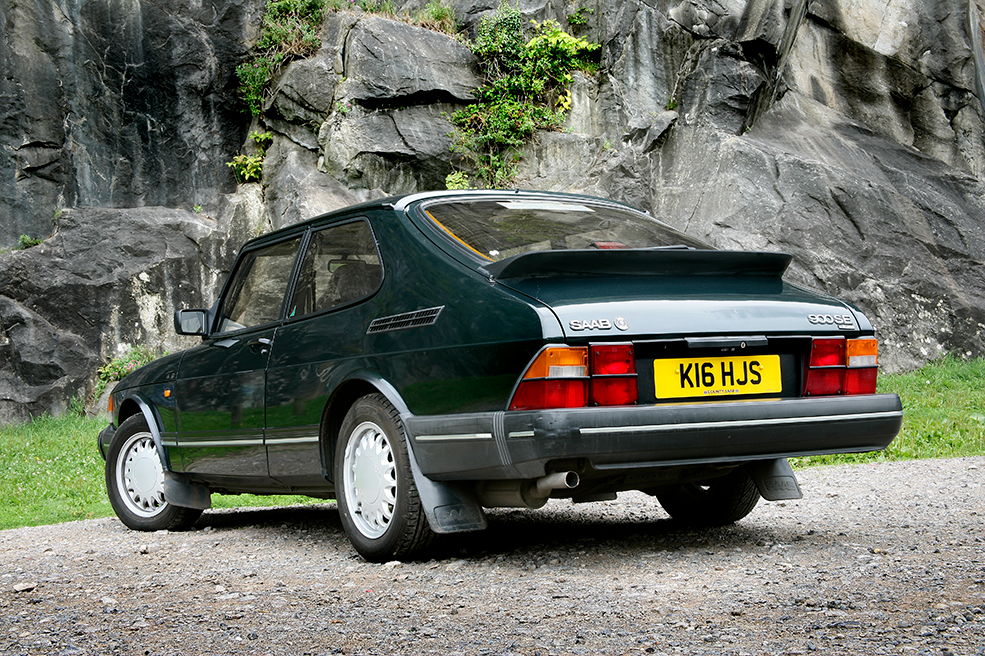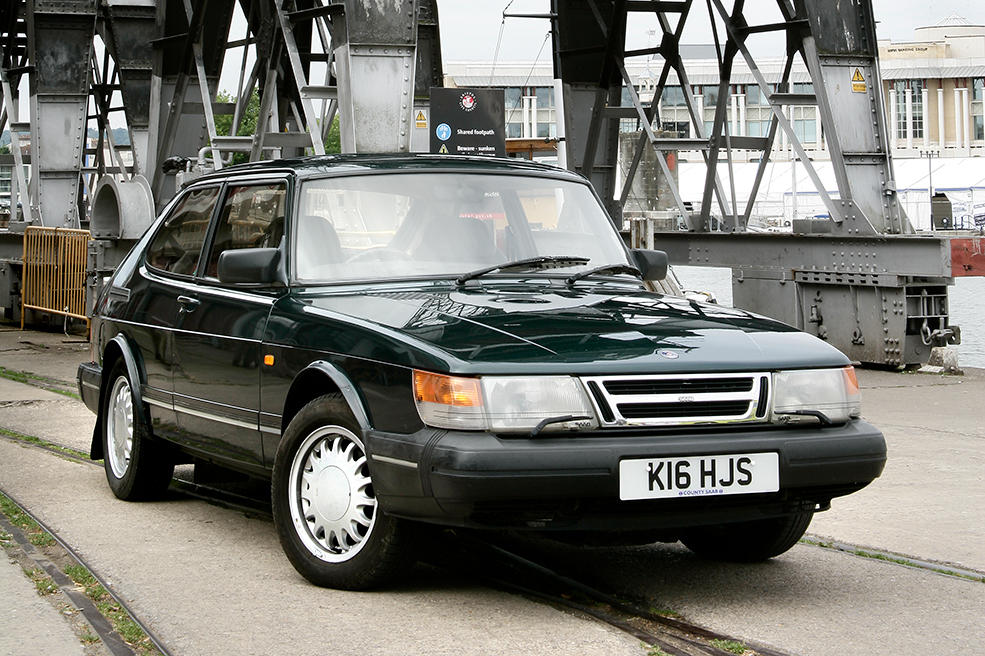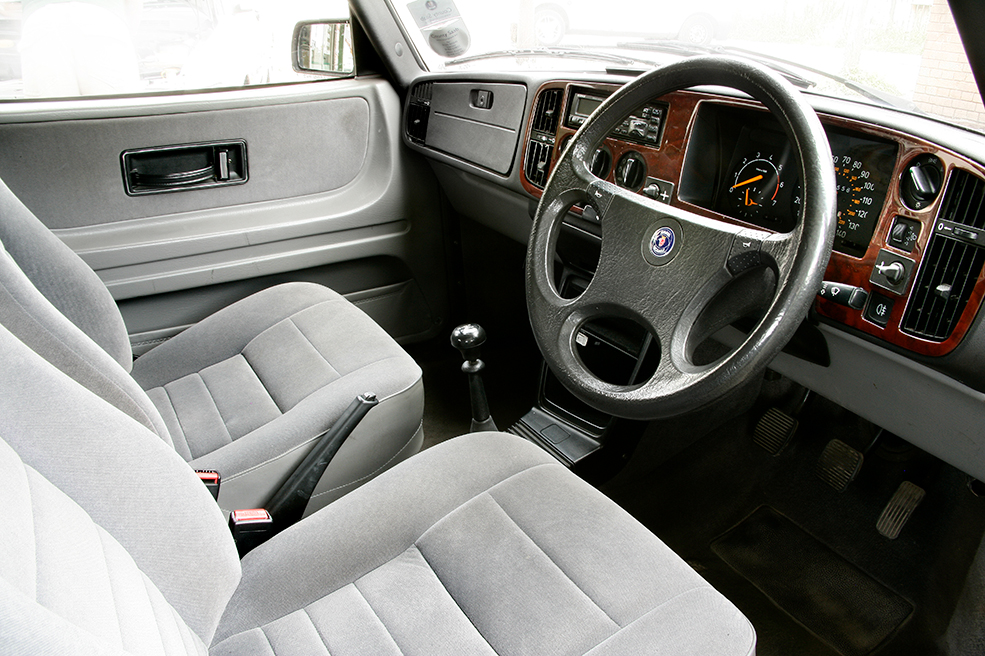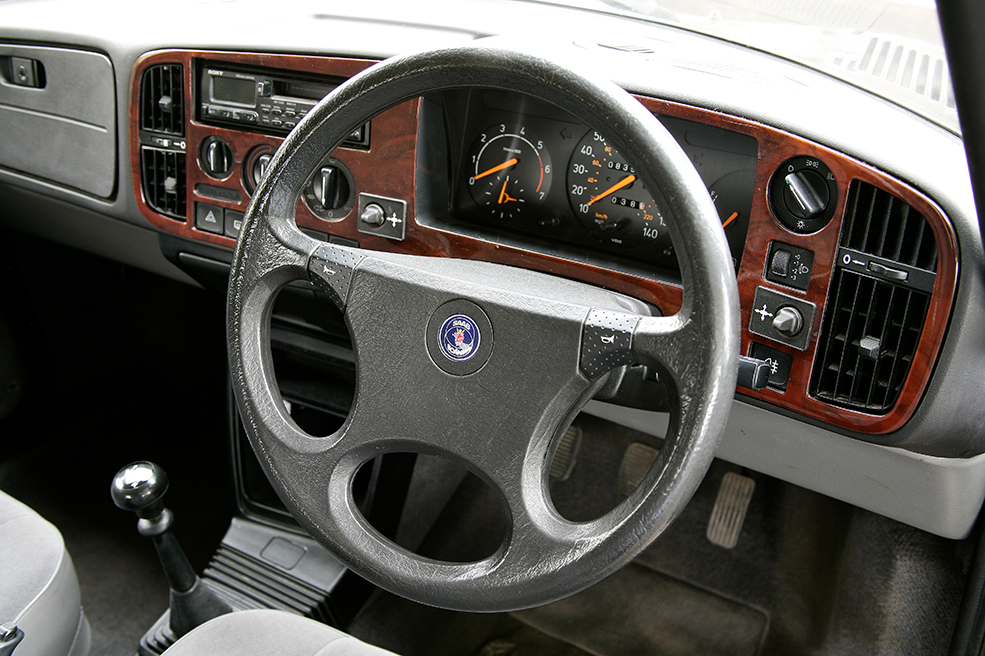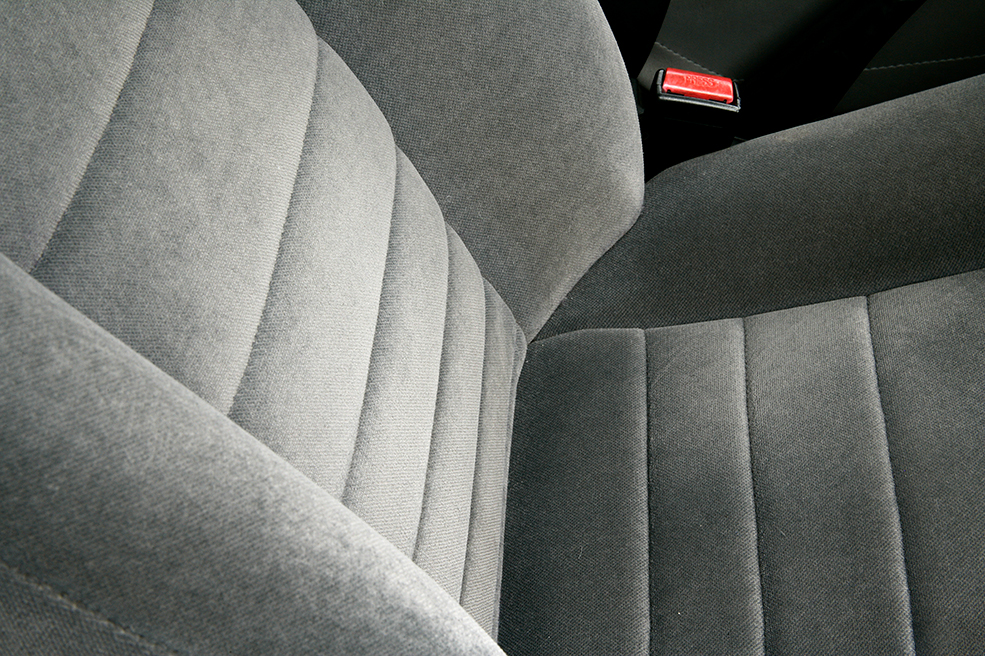

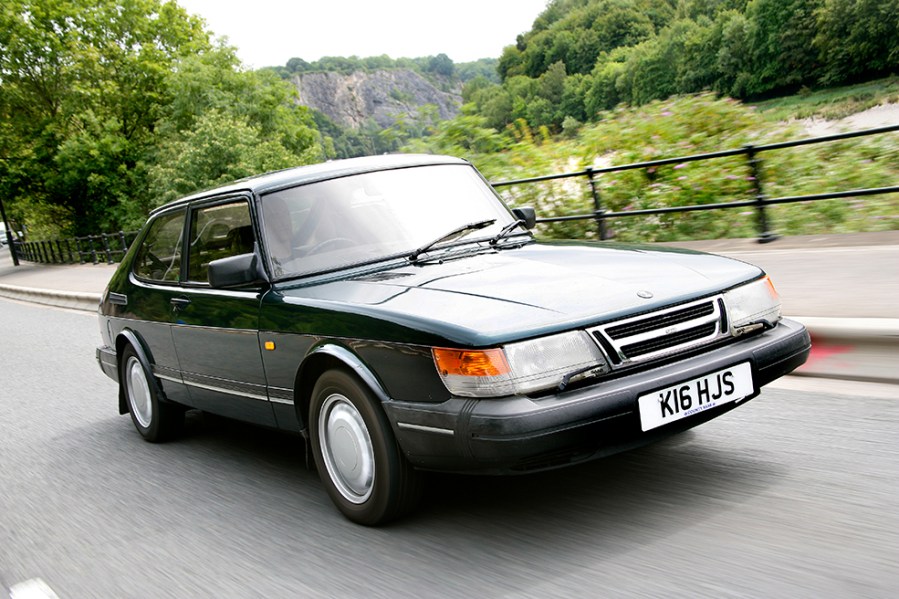
A timeless classic with versions to suit most requirements, the Saab 900 has plenty to offer today’s buyer. Here’s how to buy a good one
Words: Paul Guinness Images: Jackie Skelton
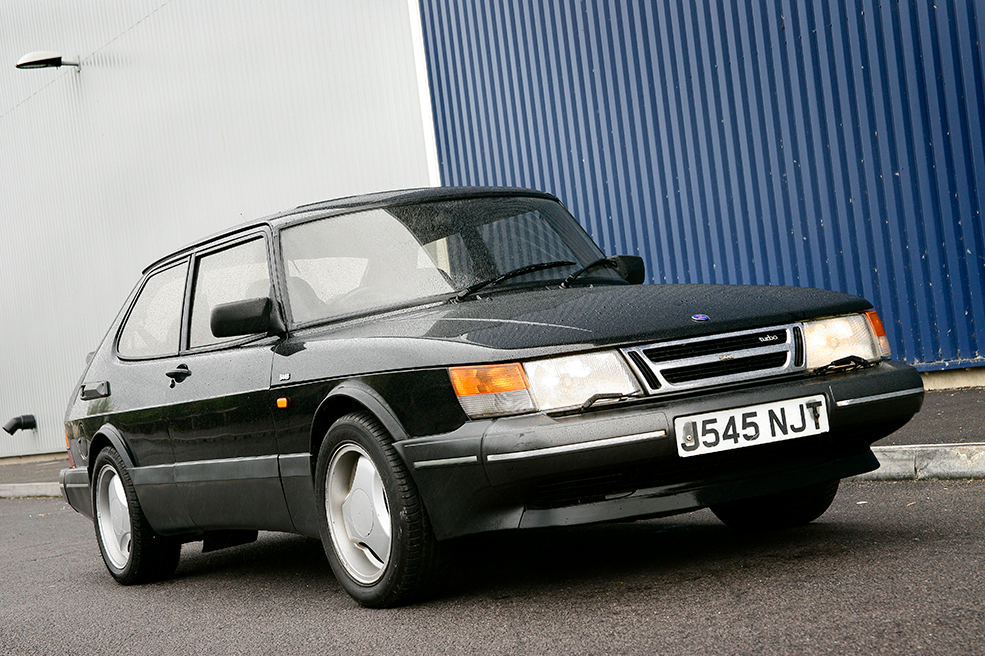
The arrival of the 900 in 1978 marked a significant point in Saab’s history, pushing the Swedish marque further upmarket than it had ventured before. Although based on the successful 99 range, the 900 was larger, better equipped and more luxurious, while still using its smaller sibling’s 2.0-litre four-cylinder engine and excellent front-wheel drive handling.
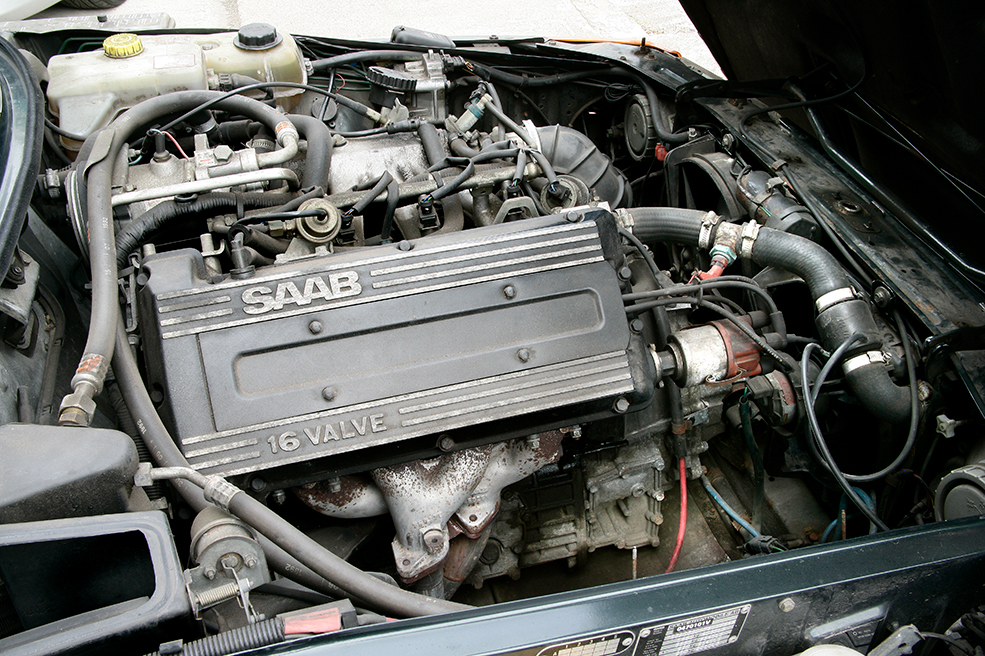
As expected, the new 900 received turbocharging as early as 1979, building on the groundbreaking 99 Turbo from two years earlier. Output rose to 145bhp, giving the 900 Turbo strong performance for the era. Five years later came the Turbo 16, whose 16-valve DOHC engine lifted power to 175bhp. With Saab then removing the roof to introduce the highly successful 900 Convertible in 1986, the model range was fully rounded out.
In its early years, the Saab 900 was offered in a variety of forms, including GL, twin-carb GLS and fuel-injected GLE variants, all available with either three-door or five-door hatchback bodies. A four-door saloon was added to the line-up in 1982, broadening its appeal further.
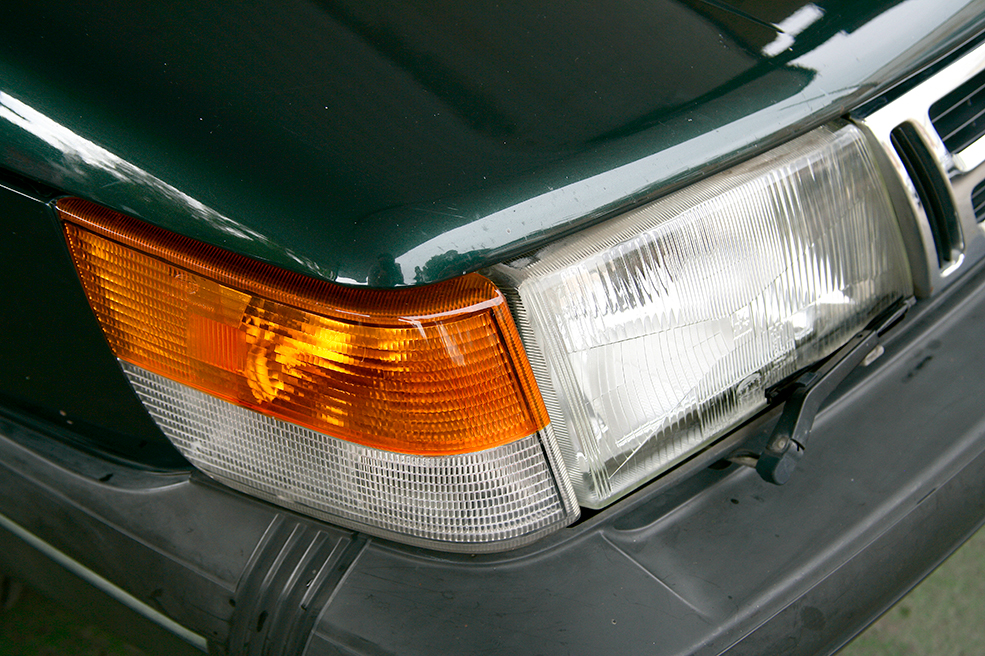
A facelift arrived in 1987, bringing revised headlamps, a new grille and redesigned bumpers. The simpler 8-valve versions were phased out by the end of the decade, while 1990 saw the introduction of ABS as standard across the range, followed by an interior refresh in 1991. Production of the saloon and hatchback models ended in 1993, with the Convertible continuing on sale until the following year.
Today, the first-generation Saab 900 is a highly appealing modern classic, whether as a showpiece or a usable everyday car. But what should you look out for before buying one?
Saab 900 values
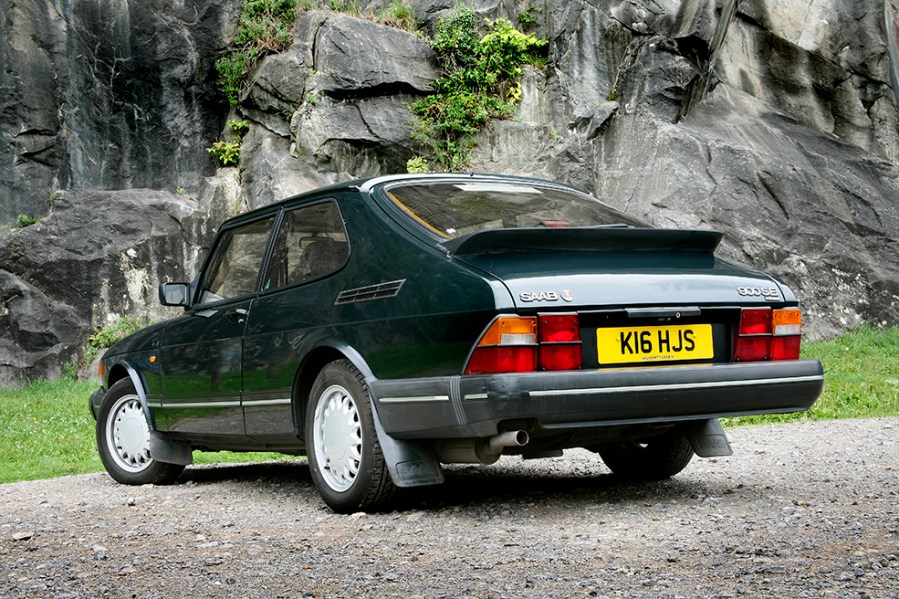
With such a wide range of derivatives available, 900 values vary hugely, meaning there is likely to be an example to suit most budgets. Values have climbed in recent years, but there is still plenty of temptation. Projects start at under £1000, while £2000-£3000 is often enough for an MoT’d non-turbo 900 in good condition. Spend around £4000-£5000 and you should secure a really well-presented example, in most cases.
900 Turbos in reasonable order start from £3000-plus, although outstanding T16 or Aero models can reach £15,000. Around £7000-£8000 should secure a very smart standard 900 Turbo with strong history. If you prefer a 900 Convertible, MoT’d projects begin at under £2500, while a low-mileage survivor in excellent condition can be £10,000-£12,000 depending on specification and provenance, in today’s market for most buyers.
Bargains can sometimes be found at auction, so keep checking the latest listings and you may find your ideal car; persistence pays off.
Insurance Costs
1989 Saab 900 Turbo 16v Convertible, £12,000 value
Example quote: £124.54 or £142.54 with Agreed Value.
Quotation supplied by Lancaster Insurance. Tel: 01480 400761
Quote based on a 45-year-old marketing manager, access to another car, no claims or convictions, club member, 3000 miles per year, no modifications, living in SP2 0HL. Disclaimer: Subject to underwriting criteria. An additional charge may be payable. Authorised and regulated by the Financial Conduct Authority.
Bodywork
The 900 was a well-built car by the standards of its era, comfortably matching its maker’s reputation for quality, but that does not mean it is immune to rust. Corrosion will affect any neglected 900 and can create serious headaches for a potential owner. The entire underside needs close inspection for rot, as the inner sills, box sections and floorpans are all known weak spots. Particular attention should also be given to the front chassis rails and wishbone mountings, along with the boot floor, the area around and beneath the battery tray, and all suspension mounting points.
Body panels can also deteriorate, especially all four wheelarches, where it is common to find frayed metal around the edge of the plastic trim. The outer sills should be checked carefully, as should the lower rear sections of the front wings, the lower portions of the rear quarter panels, the bonnet and the bootlid or tailgate. The bottoms of the doors are another vulnerable area. Extra care is needed on 900s such as the Turbo 16S fitted with deep side cladding, as this can conceal corrosion underneath.
Some panels, particularly genuine Saab front wings, are difficult to source, although most key areas are well supported and remanufactured parts are competitively priced. SAABits, for example, offers a broad range of panels, and while front wings are not especially cheap at around £448 each, outer wheelarch repair sections from under £66, lower rear corner sections at about £42 each, and lower door repair panels from around £30 represent good value. Secondhand panels in usable condition can also be found at sensible prices, so it is worth keeping an eye on eBay and the classifieds for bargains.
Engine and transmission
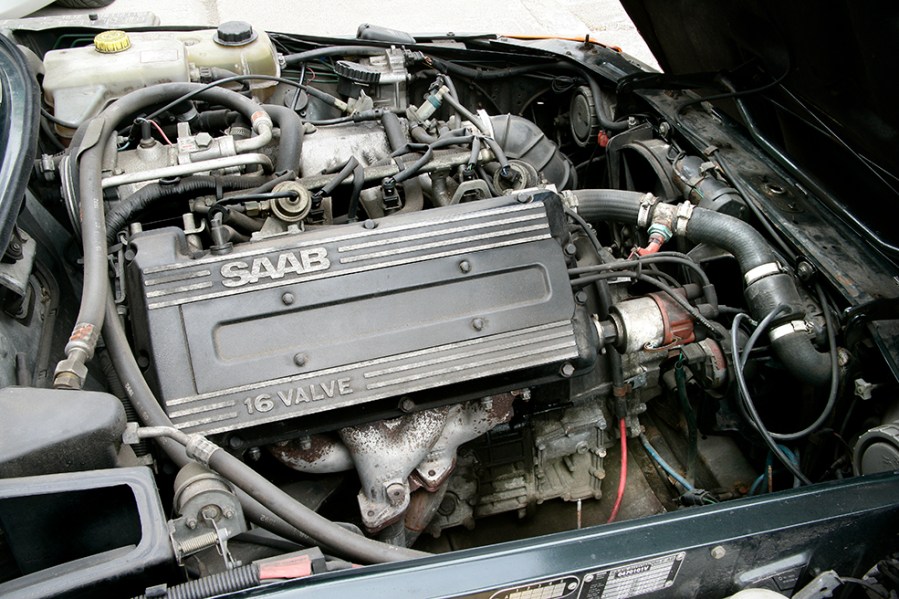
The 2.0-litre B engine used in the 900 was Saab’s redesigned version of the earlier Triumph slant-four unit. This was superseded by a heavily reworked version known as the H series for the 1981 model year, and it is this later design that is considered the more robust. In both turbocharged and normally aspirated forms it is a strong unit and, if properly maintained, will often reach up to 250,000 miles without needing a rebuild. Timing chains do begin to get noisy at under 150,000 miles, however, or at even lower mileages if the car has not been given regular oil changes. You should also look out for any signs of head gasket failure, which is not uncommon on high-mileage or neglected examples.
The 900 Turbo’s Garrett T3 turbocharger is a very reliable and durable unit, particularly in later water-cooled rather than oil-cooled form. During a test drive, check for excessive smoke and ensure the turbo is operating correctly, with a clear and unmistakable surge in acceleration as the revs build. If the turbo does fail, reconditioned replacements are available from companies such as Turbo Developments, which charges around £480 for an exchange unit. It is also not unknown for the Bosch APC, or Automatic Performance Control system, to fail and cause rough running.
The five-speed manual gearbox fitted to most 900s is not as robust as the engine and needs careful inspection before purchase. A noisy layshaft bearing is not uncommon, and neither is a tendency for the car to jump out of third or fourth gear due to general wear. Worn synchromesh is also fairly common, as is the loss of a tooth or two on reverse gear. The optional automatic transmission is slightly more robust, but you should still ensure that changes up and down the gearbox are smooth and that the kickdown function operates correctly.
Suspension, steering and brakes
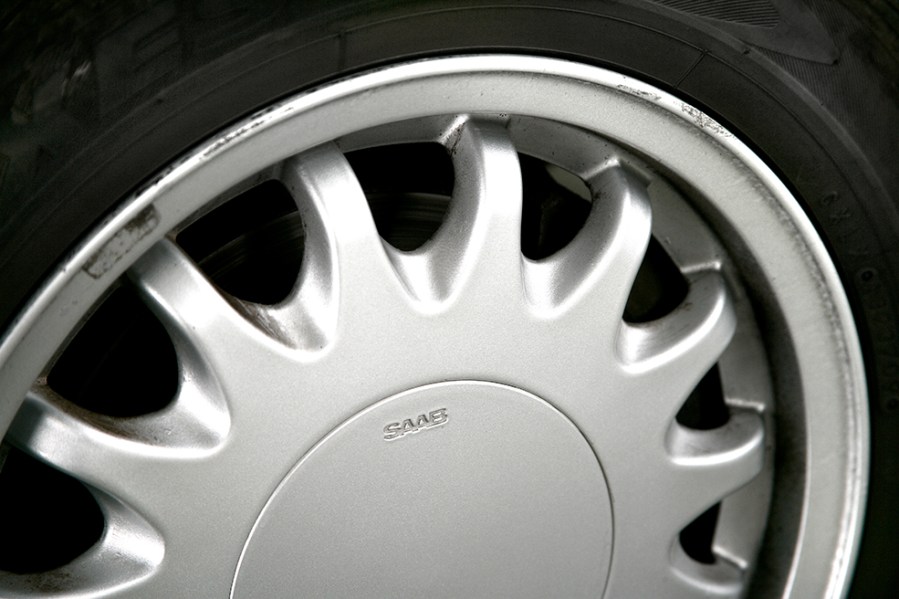
Saab 900s feature independent front suspension using pressed steel upper and lower A-arms. The lower arms include a pivoting lower spring perch designed to prevent any binding of the coil spring during compression. Both A-arms are mounted via large cast aluminium brackets with rubber bushes, while thin shims are used for alignment adjustment, including camber and caster settings.
At the rear, the 900 uses a rigid axle located by upper and lower longitudinal links together with a transversely mounted Panhard rod to control side-to-side movement. Unlike the front, there is no facility for adjusting rear suspension alignment.
When inspecting any 900, look for general wear, fluid leaks and related issues. Dampers and springs can sag on higher mileage cars, but replacements are not costly, with SAABits supplying new shock absorbers from around £40 each, while new springs start at roughly £63. Check the condition of the driveshaft boots and all suspension bushes, and listen for any clicking from CV joints. Also watch for signs of power steering leaks. Most parts are fairly affordable, but labour costs need to be considered if you are buying a car that requires work and you are not planning to do it yourself.
Interior, trim and electronics
Saab 900: our verdict
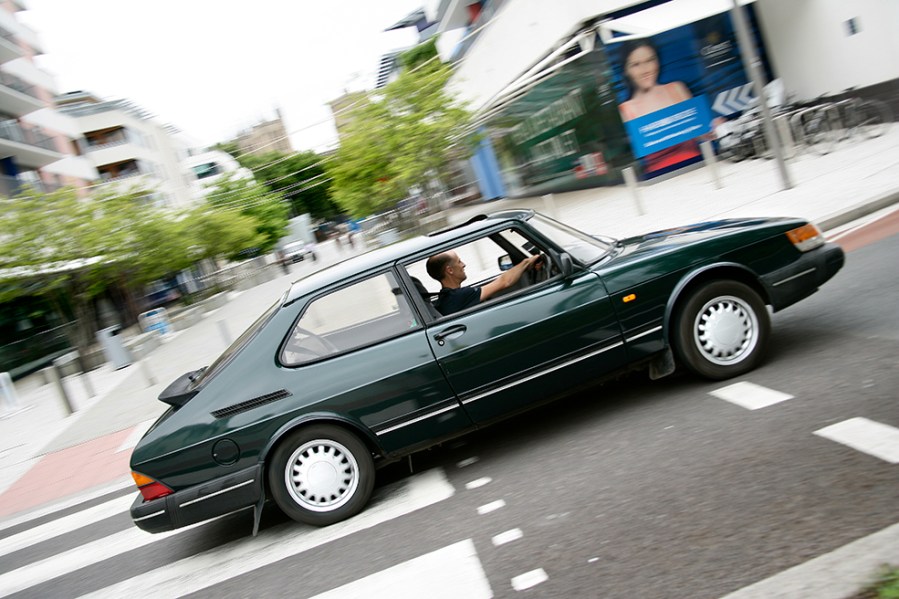
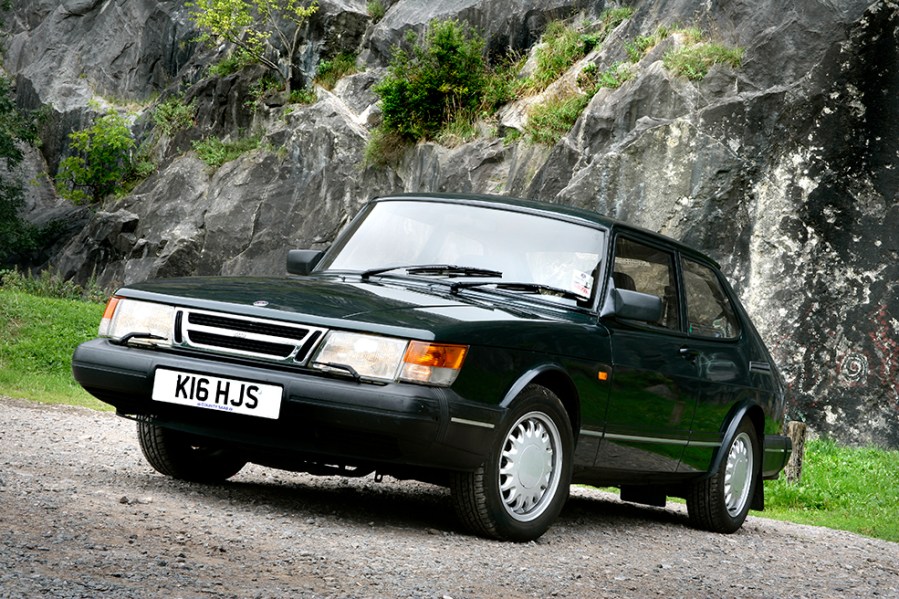
In many ways, the original Saab 900 really does have it all. It has distinctive good looks, solid build quality, and a choice of saloon, hatchback and soft-top body styles, along with turbocharged versions for those who want extra performance. Even the standard non-turbo cars are enjoyable to drive, with the reassuringly solid feel and front-wheel drive versatility that Saab enthusiasts value. It is a classic that can be used without fuss as an everyday car, equally at home on the school run or being shown at a classic car event.
Whichever version appeals most, or more realistically fits your budget, you end up with a car that is as practical as it is charismatic, as hardworking as it is entertaining. Find a well-kept example with evidence of regular servicing and you will have made one of the best decisions in classic car ownership.
Saab 900 timeline
1978
Saab 900 launches as three- or five-door hatchback
1979
Turbocharged version added to the range
1980
Upgraded engine – known as H-series – arrives, plus five-speed gearbox
1981
Four-door saloon added, to be followed later by two-door
1984
175bhp Turbo 16S DOHC flagship debuts, with 16 valves and intercooler
1986
New 900 Convertible enters production; standard 900 Turbo boosted to 155bhp
1987
Front-end restyle brings new slanted look plus new headlamps and grille
1990
900 T16 and light-pressure 8v Turbo replaced by 900S 16v with light-pressure turbo
1991
Interior refreshed with improved seating and updated trim
1993
Production of saloons and hatchbacks ceases (Convertible lasts until ’94)
1994
Original 900 replaced by new ‘NG’ generation