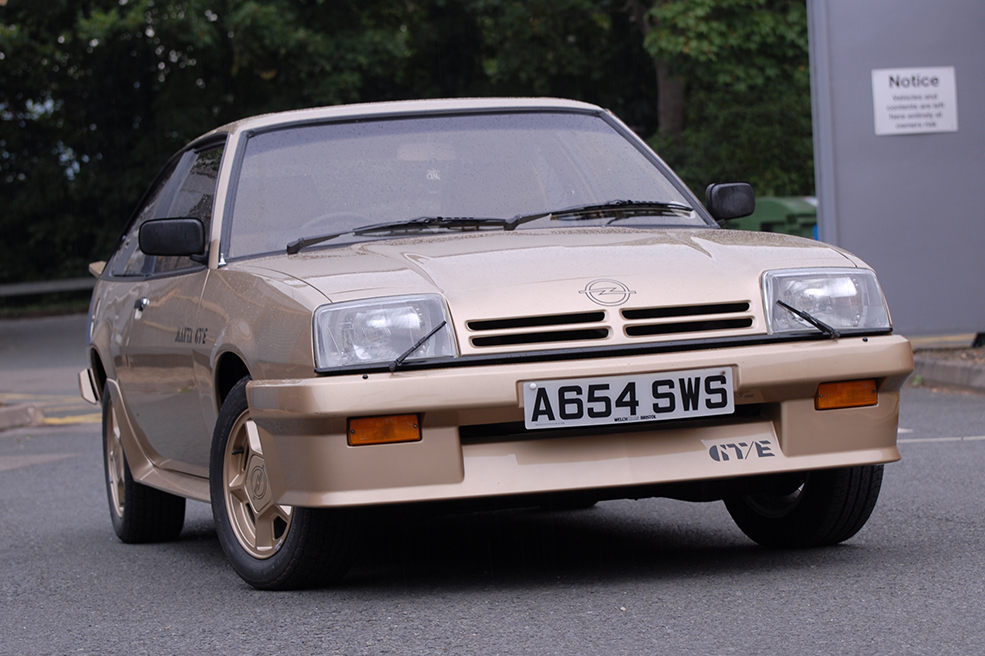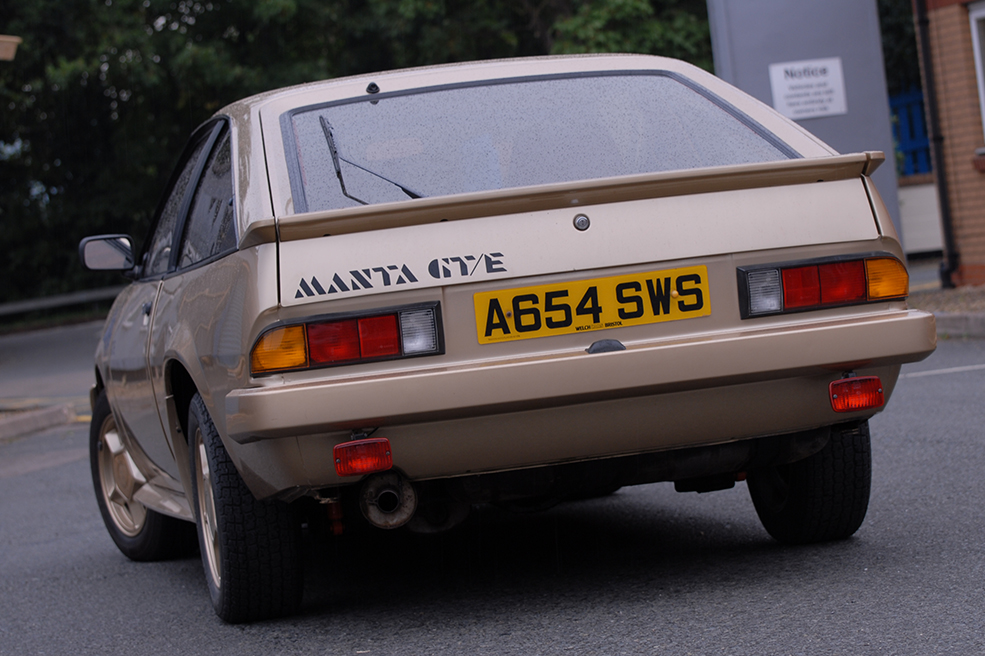

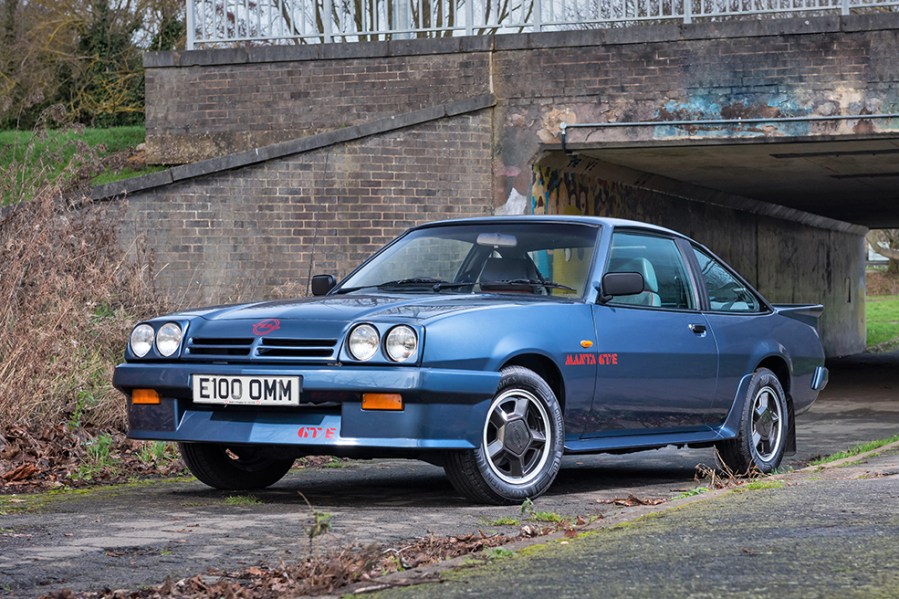
The Opel Manta B boasts a fine mix of style and performance to rival the evergreen Ford Capri. Here’s how to buy a great example
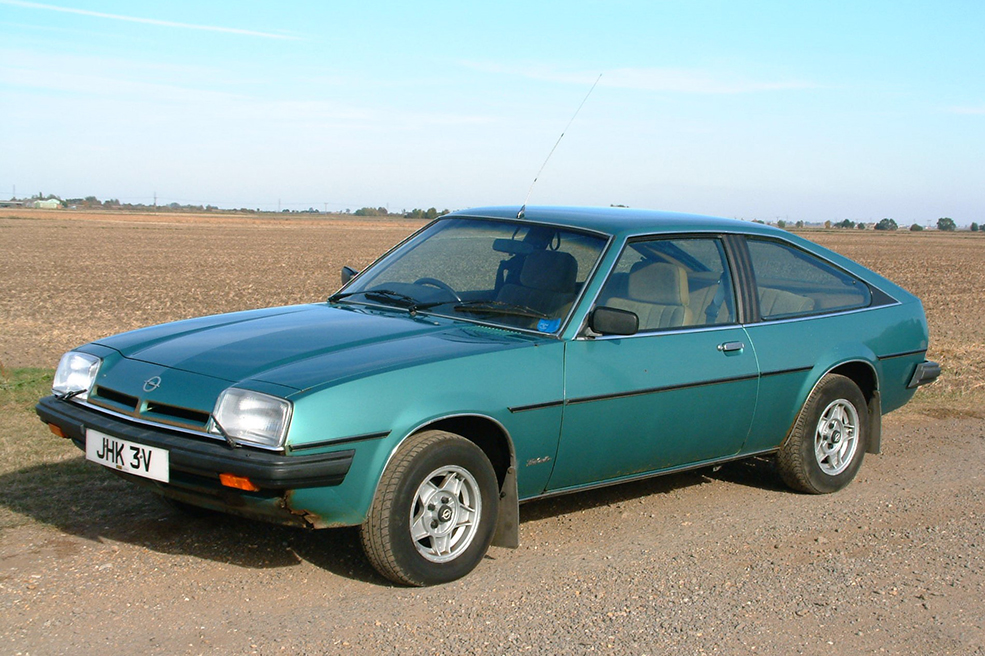
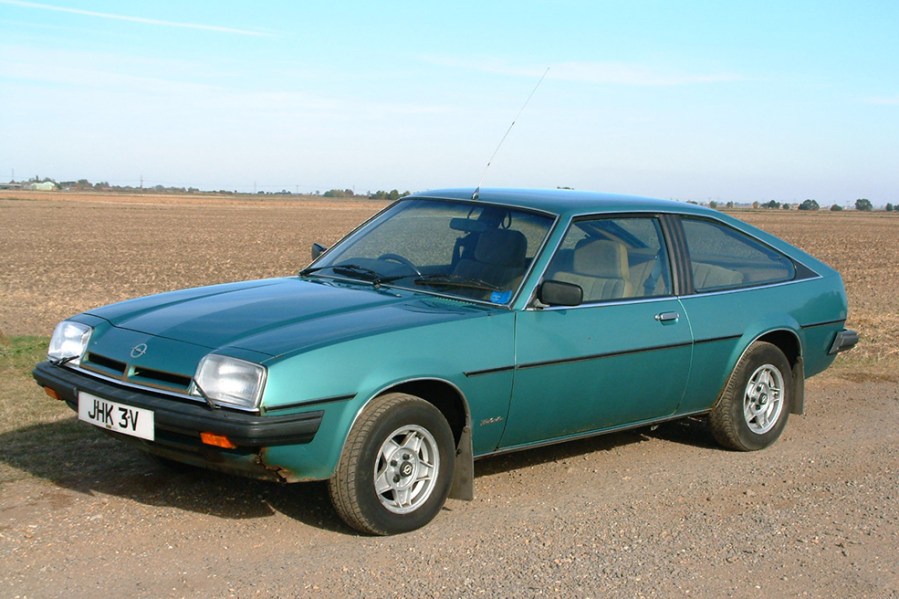
The first car to carry the Manta name appeared in 1970, but it’s the second-generation model that really captures attention. Launched in 1975, it was essentially a Mk1 Vauxhall Cavalier Coupe or Sportshatch with an Opel badge, sharing the same range of modestly-powered four-cylinder engines. Stylish enough to turn heads, the version most enthusiasts remember is the B2, which arrived in 1982 and remained on sale until the Manta’s end six years later.
A credible rival to the Mk3 Capri, the Manta made its mark in rallying too, with names like Russell Brookes and Jimmy McRae blazing through the forests and cementing the car’s sporting reputation. Powered by overhead-cam 1.8 and cam-in-head fuel-injected 2.0-litre engines, the range offered both hatchback and coupe body styles, often adorned with body kits and spoilers for extra kerb appeal.
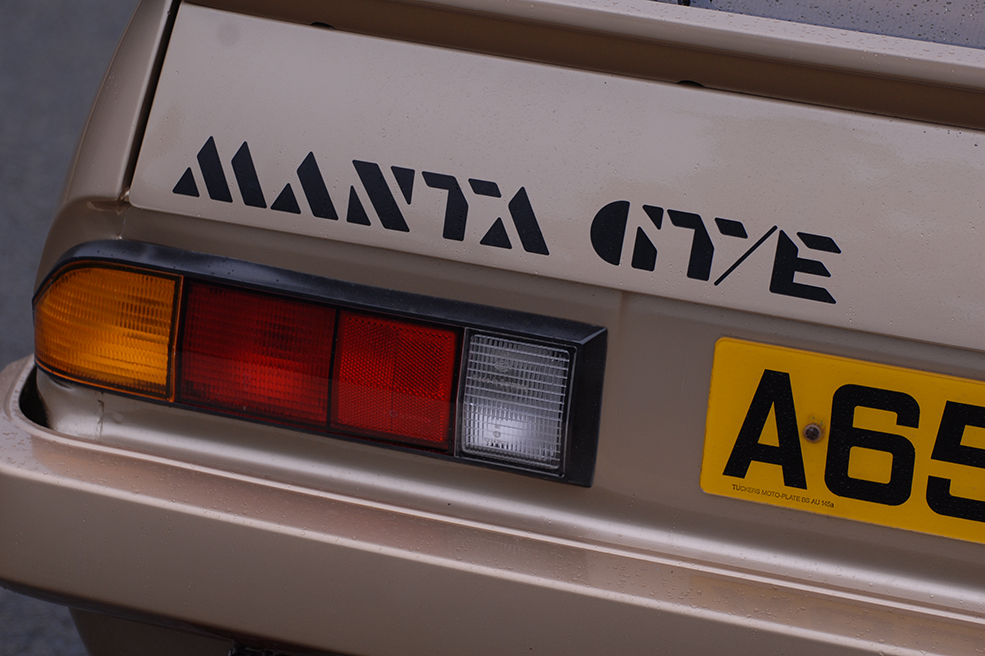
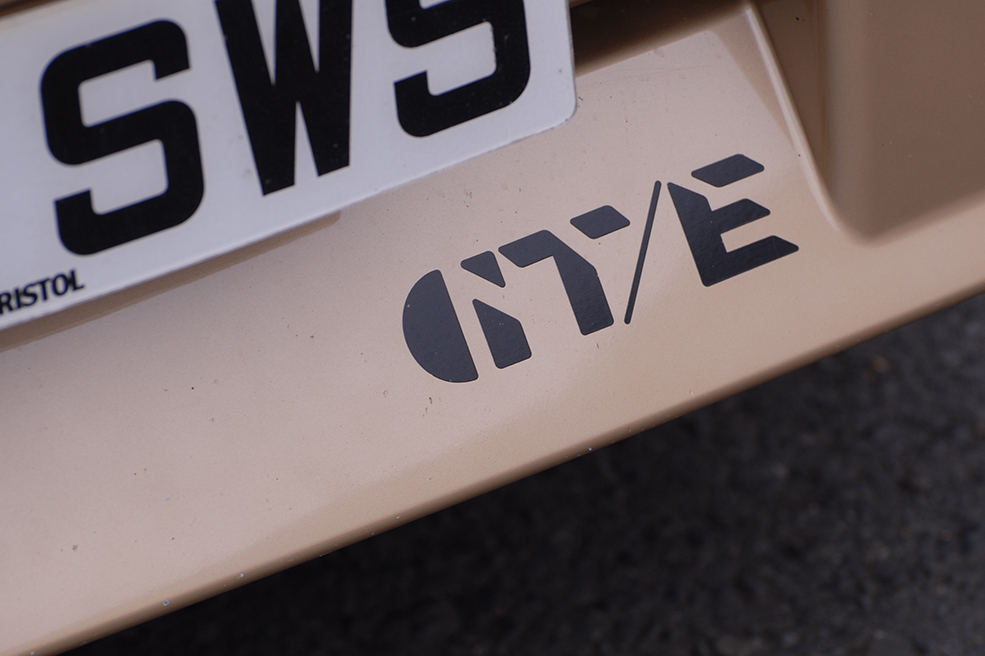
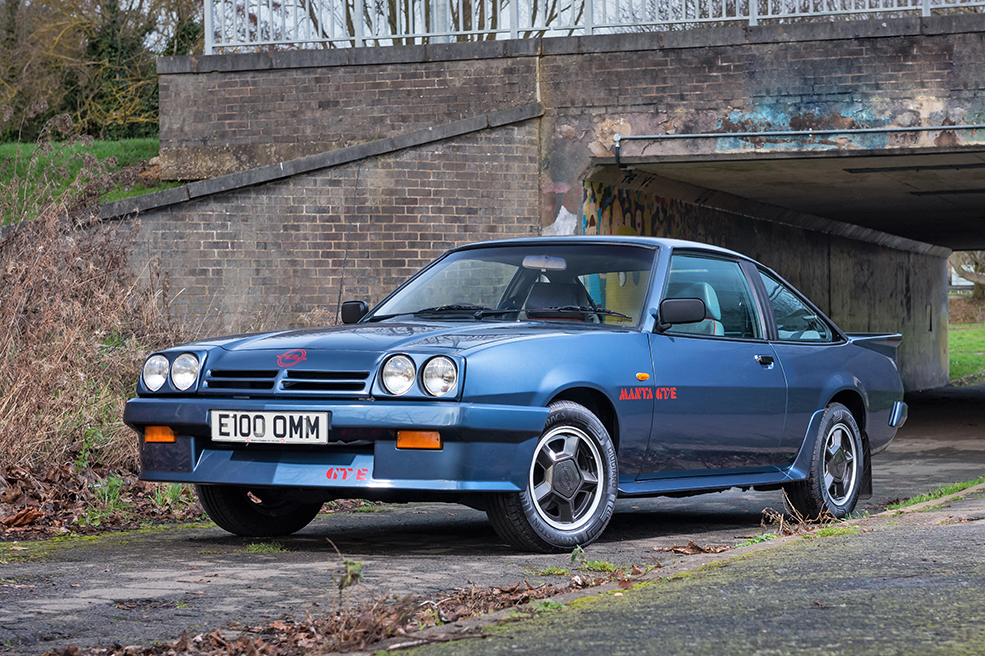
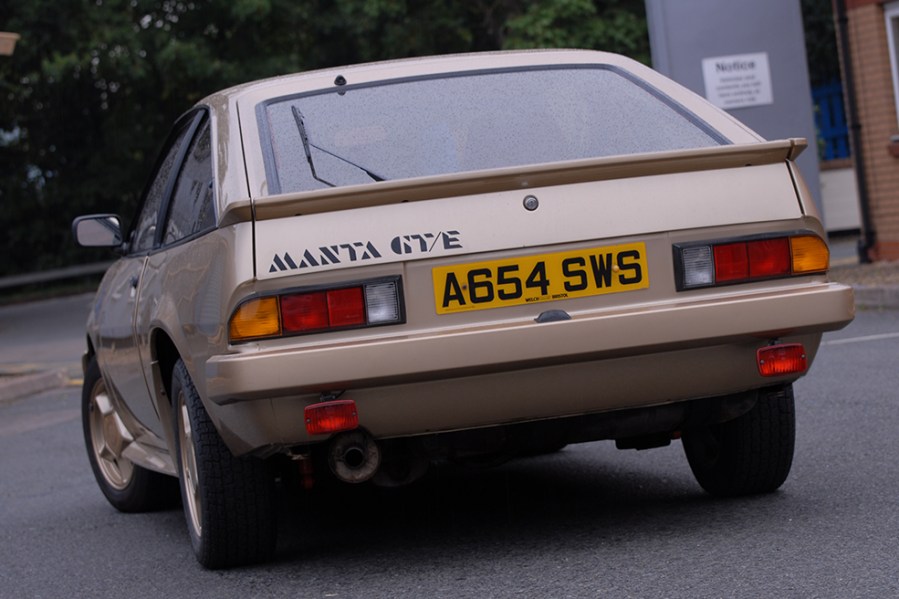
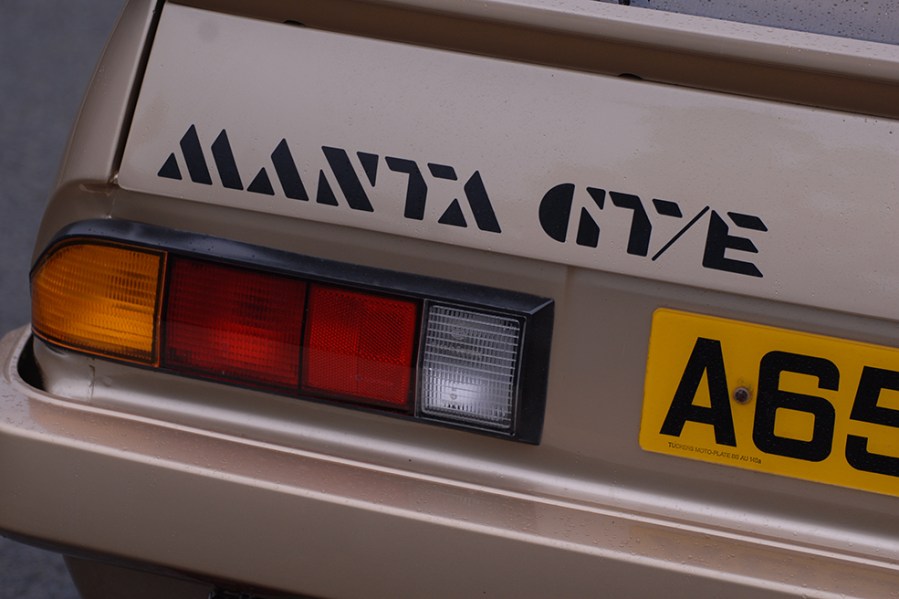
The GT/E, introduced in 1982, was the standout model for many. By the time the Manta B was discontinued in 1988 – outlasting the Capri in the process – a total of 557,698 had been built. And while it’s usually the Ford that grabs the headlines today, the Opel’s devoted following is well earned. If you’re thinking of joining the Manta ranks, what should you be looking out for?
Opel Manta B values
While Mantas aren’t exactly plentiful in the classifieds, there’s a decent scattering available (with B2 models being the most common), and they do appear at auction with reasonable regularity. The coupé is the more sought-after of the two body styles, so these usually command higher prices, but with these cars it’s condition that counts above all else.
B2 examples are the most valuable, and prices across the range have been steadily rising over the past couple of years. You can now expect to pay between £3000 and £5000 for a project, while usable cars needing some ongoing attention fetch anywhere from £7000 to £10,000 depending on the variant. Allow £10,000-plus for a good B2 coupe, with the very best reaching £14,000-£25,000 (hatches will be £6000–£11,000 cheaper). By comparison, the finest earlier Bs range from £8000–£15,000.
Given the sums being asked for its Ford rival, the Manta seems very good value at present. And with more enthusiasts recognising the Opel’s appeal, prices are likely to head only in one direction.
Insurance Costs
1984 Opel Manta GTE, £18,000 value
Example quote: £109.97 or £127.97 with Agreed Value.
Quotation supplied by Lancaster Insurance. Tel: 01480 400761
Quote based on a 45-year-old marketing manager, access to another car, no claims or convictions, club member, 3000 miles per year, no modifications, living in SP2 0HL. Disclaimer: Subject to underwriting criteria. An additional charge may be payable. Authorised and regulated by the Financial Conduct Authority.
Bodywork
Earlier German-built cars appear to resist corrosion better than later models produced in Belgium, but even so, any prospective purchase will need a thorough inspection. Check all the usual rust-prone areas, including the wings and wheelarches, door bottoms, valances and sills, while paying particular attention to screen and sunroof surrounds. Blocked drain holes in the latter can allow rust to develop deeper within the structure.
There’s more to consider: the battery tray, fuel tank (on the hatch – less exposed on coupes), floorpan, footwells, chassis rails, jacking points and bulkhead could all be showing their age and demand careful scrutiny. Don’t cut corners on these checks, as major restoration work can quickly become both time-consuming and costly, although there is some encouraging news.
Replacement panels and repair sections are not as hard to source as you might think, though some are expensive – a genuine front wing, for example, can cost over £400. The situation has improved in recent years, according to the Opel Manta Owners’ Club. German specialist Dr Manta is a useful starting point, and the club is having certain parts remade, such as roof skins and rear panels. It can also advise on locating components for the body kit fitted to facelifted B2 models; some sections are more difficult to find than others, but they are out there if you look. Check carefully where plastic addenda attach, as bubbling may indicate deeper issues underneath.
Provided rust isn’t a significant concern on the car you’re considering, spend time assessing the condition of exterior trim and light units – second-hand replacements are available, but the more complete and undamaged the better.
Engine and transmission
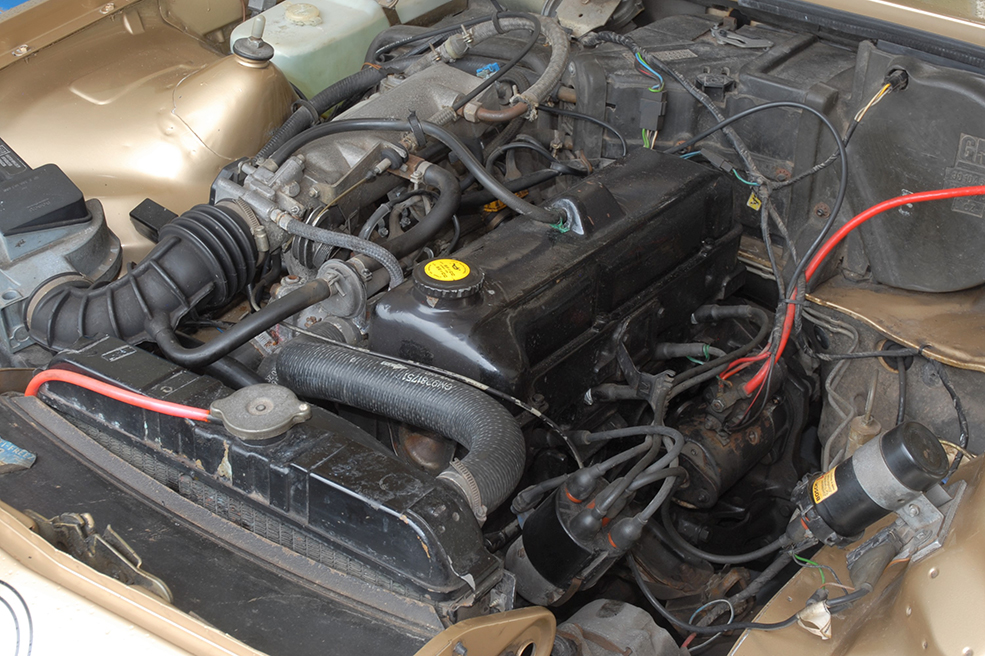
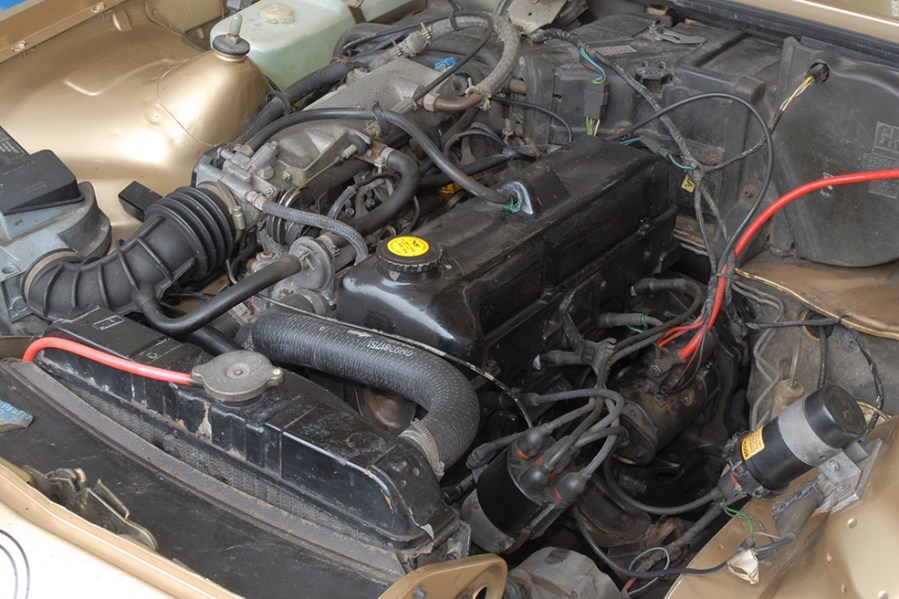
This generation of Manta offered a wide range of engines in various capacities and outputs, though the smaller units delivered rather modest performance. The larger cam-in-head (CiH) engines are the better choice if you want performance to match the looks, with the fuel-injected 2.0-litre producing 110bhp and capable of a genuine 120mph.
These motors are also regarded as fairly robust, and well-maintained examples should manage 100,000 miles before requiring a rebuild. However, whichever engine you’re looking at, it will need checking for the usual signs of wear and neglect, from exhaust smoke and oil leaks to head gasket failure and a cooling system past its prime. Some cars have a cambelt that requires changing at 30,000 miles (a straightforward job thanks to easy access), while the remainder use a timing chain, which can get noisy at higher mileages. Replacement is not difficult, and all parts are readily available.
Fuel delivery depends on age and engine: GM Varajet carburettor or Bosch fuel injection. Rebuild kits exist for the carburettor, but any issues with fuel injection will likely need professional attention.
Regarding gearboxes, the four-speed unit fitted to earlier Mantas is not inherently weak, though age and mileage may have taken their toll; a test drive will quickly reveal any selection problems or concerning noises. The five-speed Getrag fitted after 1982 is very strong and rarely troublesome unless mistreated, with parts available should a specialist rebuild be required.
For those preferring a more relaxed drive, a GM TH180 three-speed automatic was also offered. While it is not the most responsive, it is generally reliable; just check for sluggish or jerky shifts and for blackened or burnt-smelling fluid. Finally, listen for a noisy rear axle and vibrations caused by worn propshaft joints.
Suspension, steering and brakes
Given the Manta’s mainstream underpinnings, the suspension was straightforward, with wishbones and coil springs at the front and a live axle at the rear. Simple yet effective, it mainly requires a careful inspection of the mounting points for corrosion, along with a check on worn dampers, springs and bushes. The latter can be replaced with polyurethane items for added sharpness, though original components remain available, as do all the other parts needed for a full overhaul. It’s also straightforward enough for a DIY job.
The same can be said of the brakes, which use a basic disc/drum layout that easily copes with the car’s performance. All consumables are easy to source, and while mild upgrades such as better pads are an option, they’re not essential.
There’s little to note about the steering either, with the unassisted rack-and-pinion system offering decent accuracy and feedback. The main issues tend to be wear in the ball joints, track rods or the rack itself, and repairing these is not particularly costly.
Interior, trim and electrics
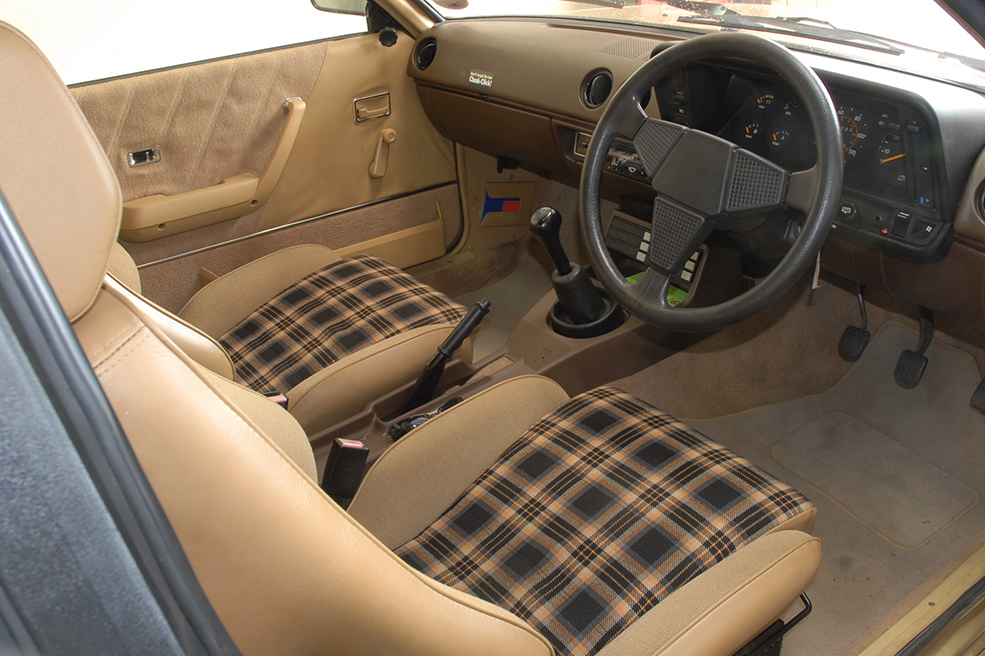
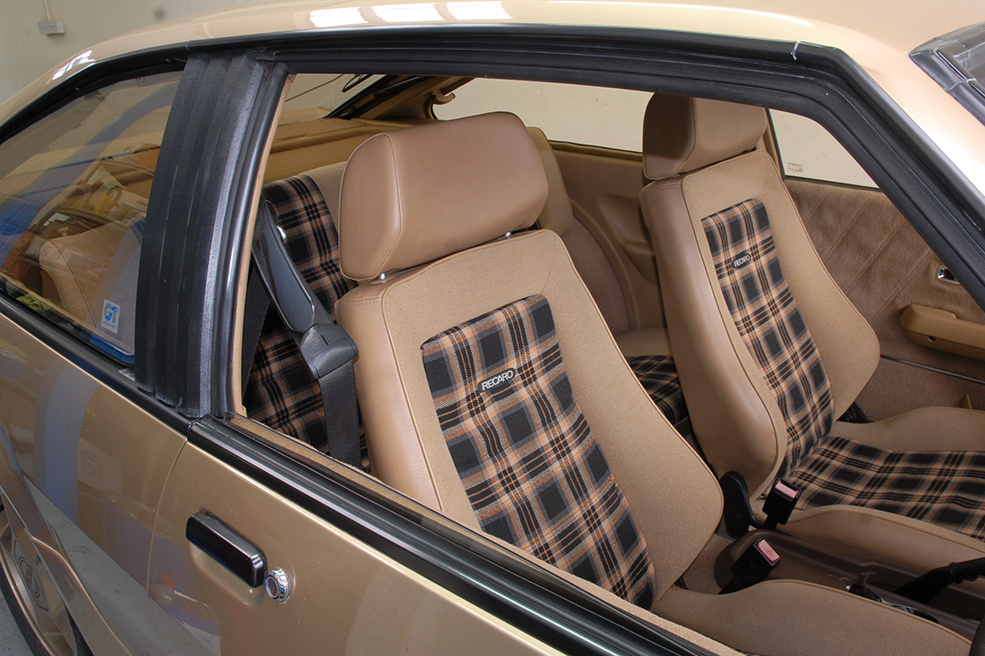
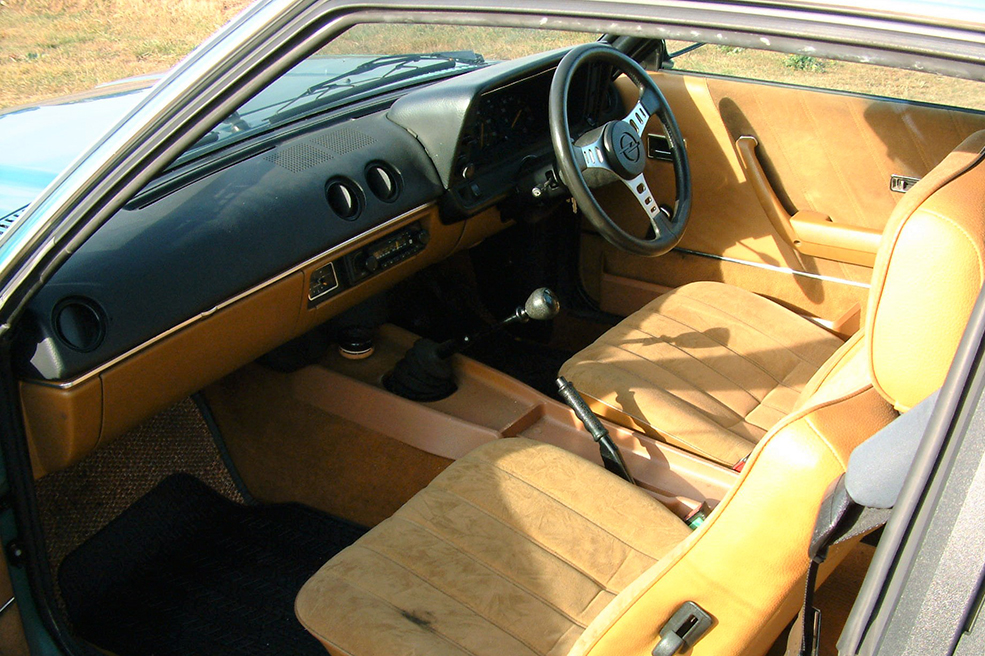
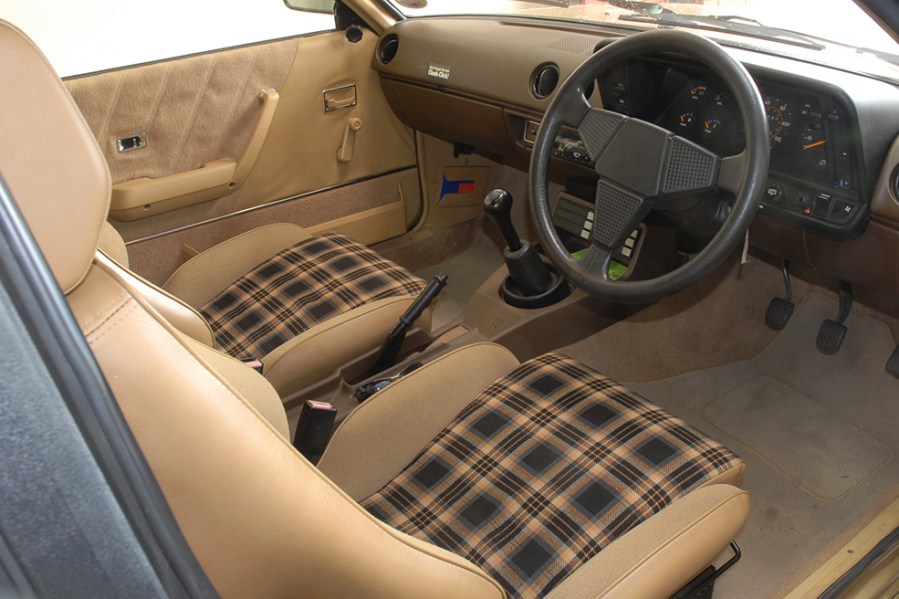
As you’d expect from a car of this era, the cabin is refreshingly straightforward. It doesn’t exactly feel sporty (the GT/E’s Recaro interior adds a bit of flair), but there’s little here to cause concern. Worn or threadbare seats will be obvious, though tracking down original-style trim isn’t impossible (albeit at a cost), and a professional trimmer can tackle most issues without trouble.
The dashboard rarely suffers from cracks, so that’s one less headache, but other plastics and trim pieces should be checked carefully, as replacements often mean hunting for secondhand items. The same applies to the switchgear; it was never particularly robust (though no worse than comparable cars), and while some parts exist, sourcing them may be tricky.
At least there are no complex features like electric windows or central locking to worry about, with the Manta’s electrics being as simple as you’d expect. Just ensure everything functions correctly; most faults stem from poor earths or dodgy connectors. Water ingress can make things worse, so inspect carpets for damp. If the instruments read incorrectly, a failed voltage stabiliser in the panel is often to blame, but it’s cheap and easy to replace with a modern electronic unit. Instrument lighting is another weak point, and many owners swap the bulbs for LEDs, which can be done without significant dismantling.
Opel Manta B: our verdict
Mention a sporting coupe from the 1970s or ’80s and most people will immediately think of the Ford Capri – and while its appeal is undeniable, it would be a shame to overlook its Opel counterpart. The Manta arguably offers more understated styling, at least in its earlier guise, though a later GT/E certainly commands attention. There’s also the choice of hatchback or coupe, and being less common than the Ford can be an attractive bonus for some enthusiasts. Add in a rallying pedigree, and it gains even more appeal.
A well-kept example drives very nicely, offering a rewarding mix of performance and everyday usability, and ownership needn’t be daunting. Rust is the main concern, so approach carefully unless a full restoration is on the cards, but mechanically the car is straightforward for anyone happy to turn a spanner. Manta owners are typically knowledgeable and eager to share advice, so help is never far away. If a classic coupe has captured your imagination, the Manta certainly warrants a closer look.
Opel Manta B timeline
1975
Manta B is launched, using the platform and mechanicals of the Opel Ascona; there’s a range of four-cylinder engines, while UK trim levels include Deluxe and SR.
1979
Original UK-spec 1.9-litre engine (carried over from the Manta A) is replaced with a punchier 2.0-litre.
1981
Manta 400 homologation model debuts at the Geneva Motor Show; powered by a 2.4-litre DOHC engine with 144bhp, just 400 are made and it’s sought-after today.
1982
Facelifted B2 version is announced with OHC or cam-in-head engines and stylish body kit.
1983
GT/E version with Bosch-injected 2.0-litre engine and Recaro interior arrives in the UK.
1986/87
Exclusive version arrives as a run-out model with extra equipment, beefier body kit, plus twin round headlamps as seen on Irmscher variants.
1988
Manta production ends after more than half a million are made, replaced by the Vauxhall Calibra the following year.