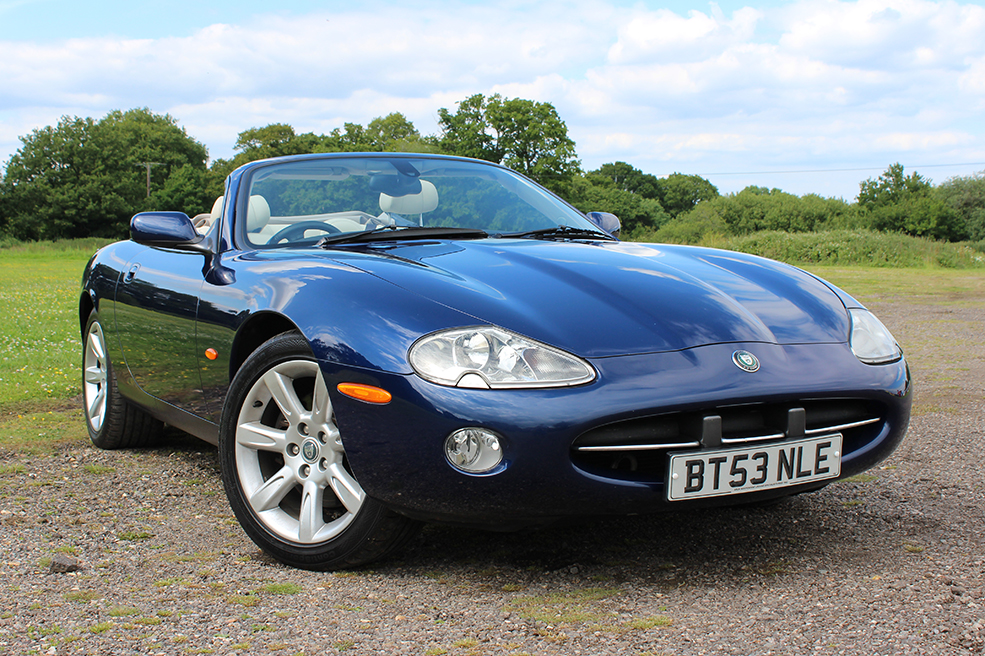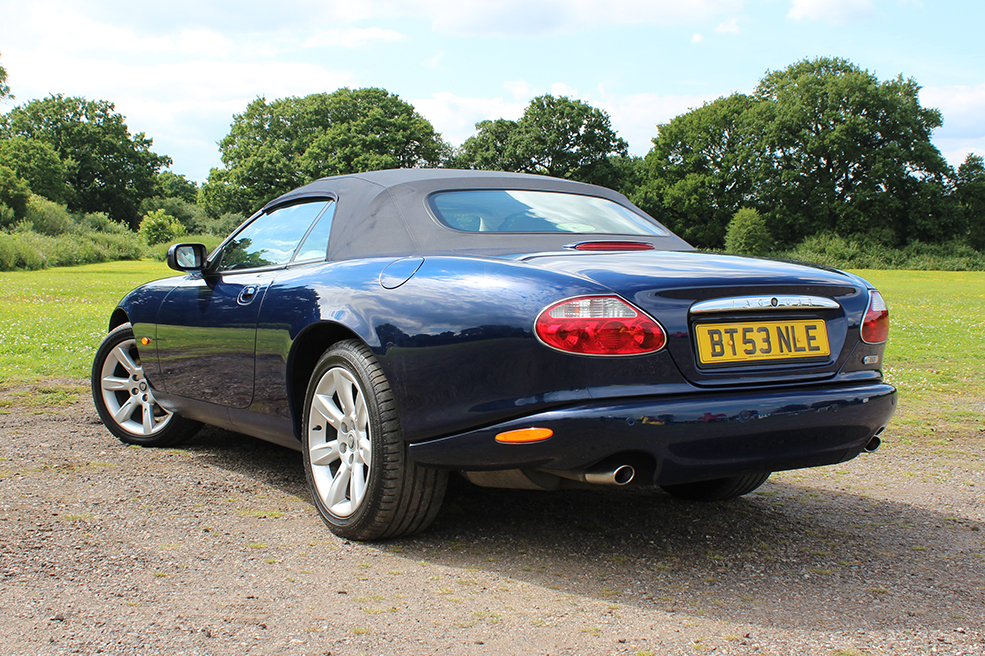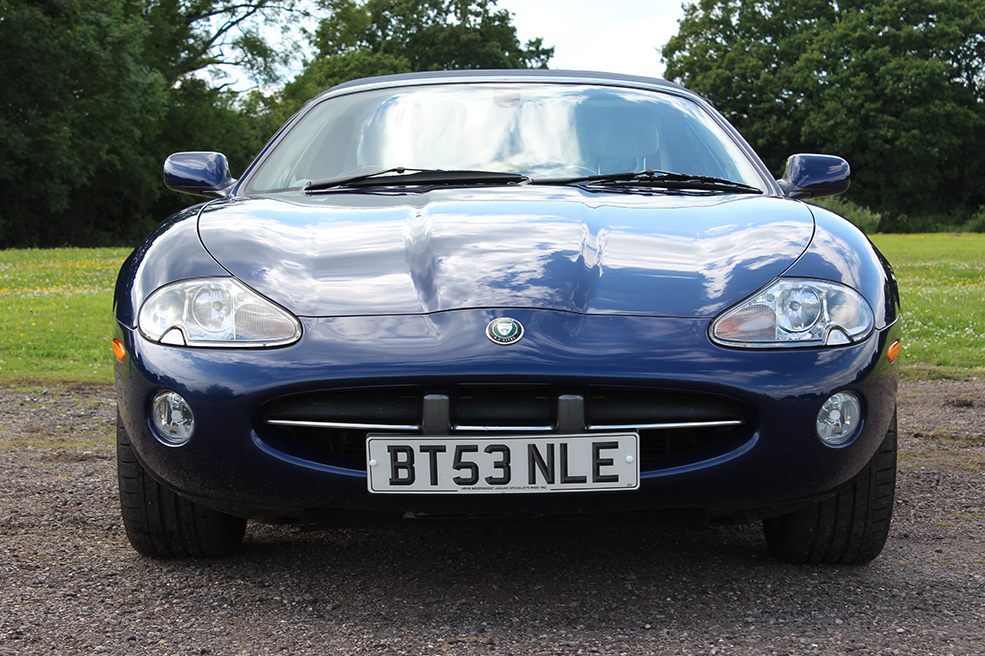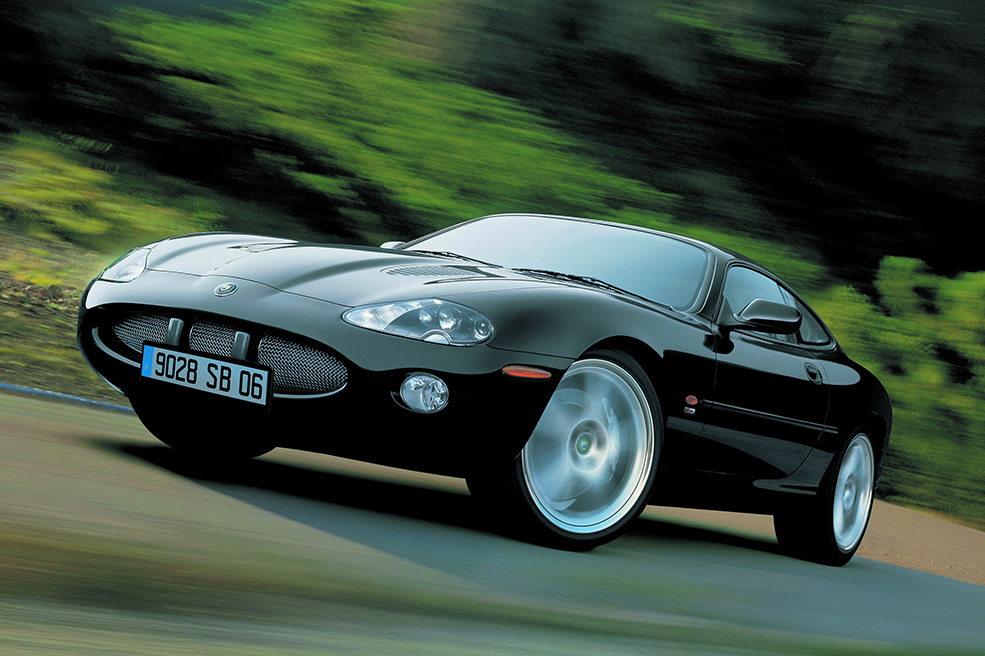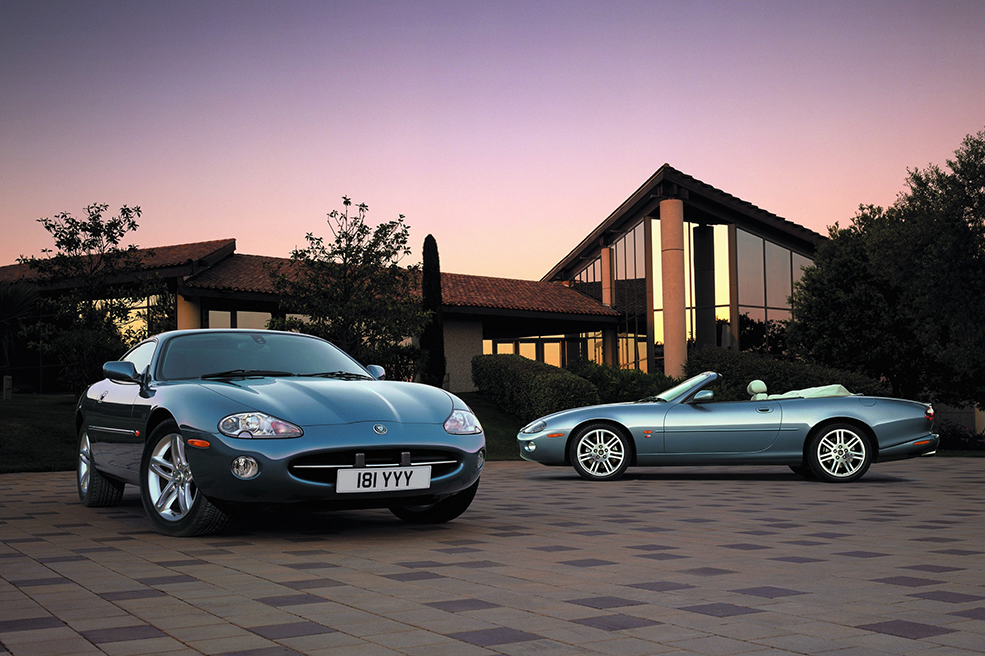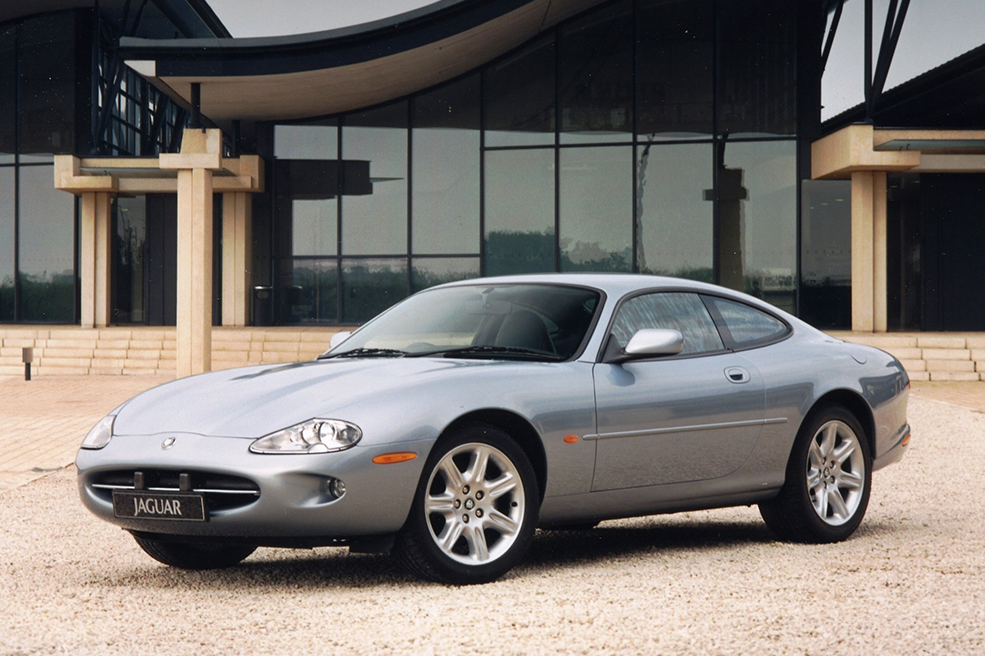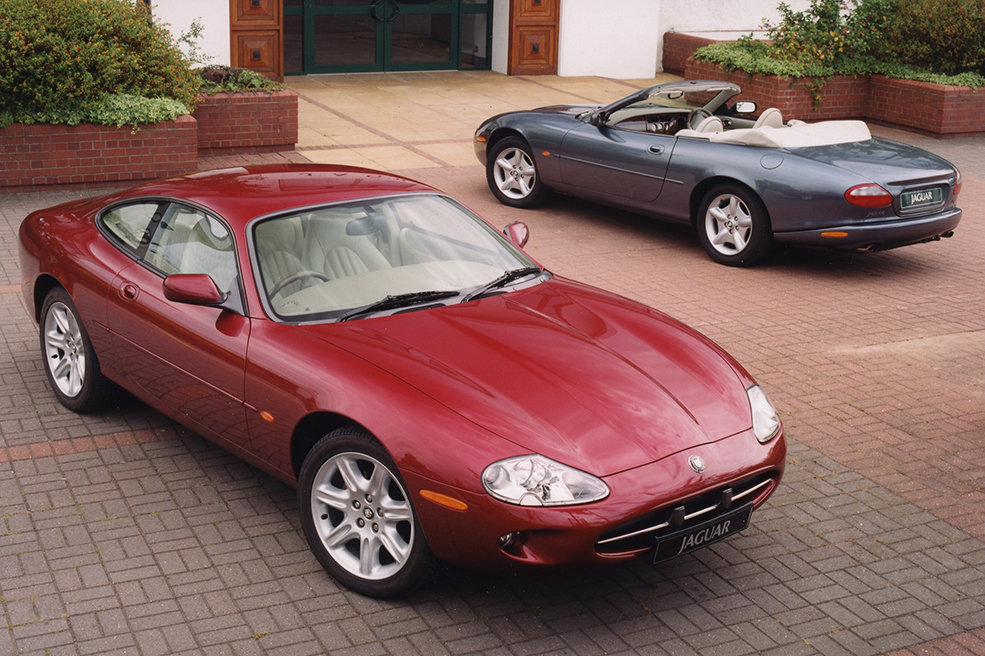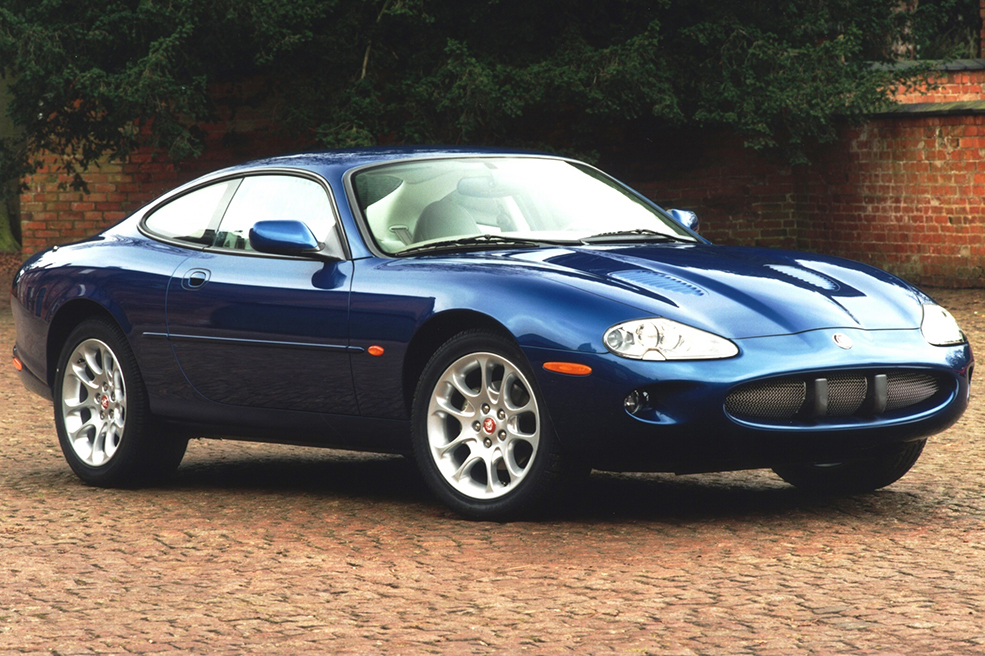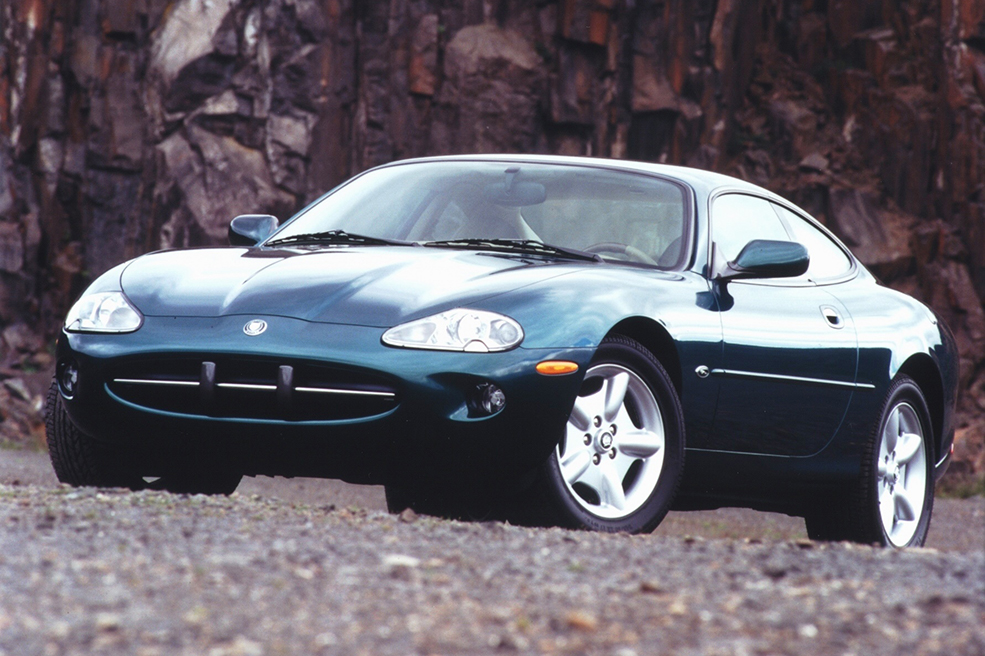


The Jaguar XK8 arrived in 1996 and gave the brand an all-new sports car capable of competing with the best. Here’s how to buy a good one today
Words: Paul Jackson
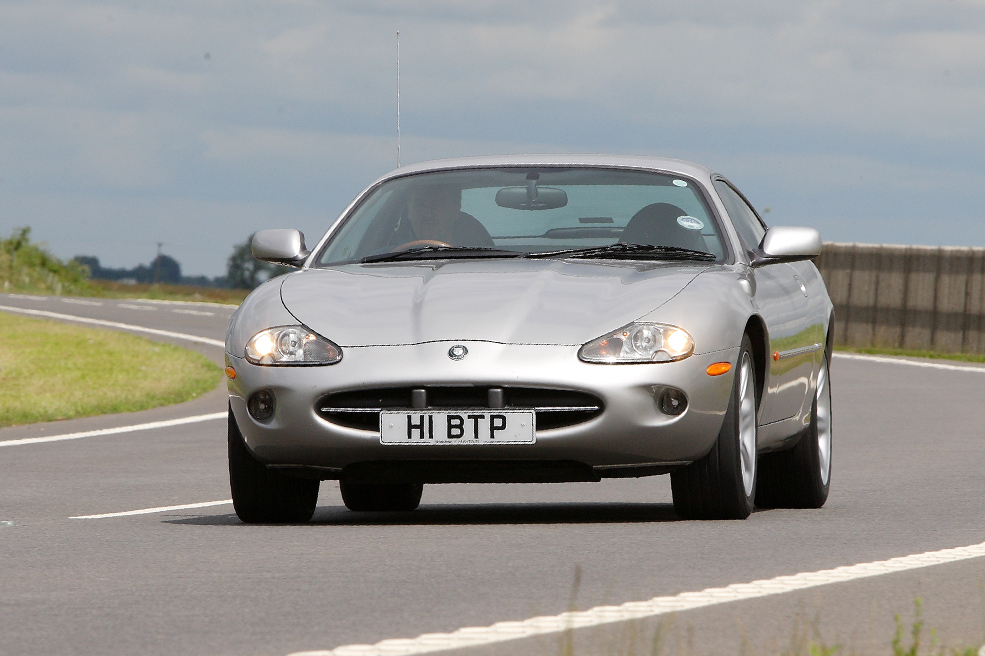
Jaguar launched the all-new XK8 coupé and convertible in 1996, stepping in to replace the 21-year-old XJS and instantly putting the brand back in the spotlight.
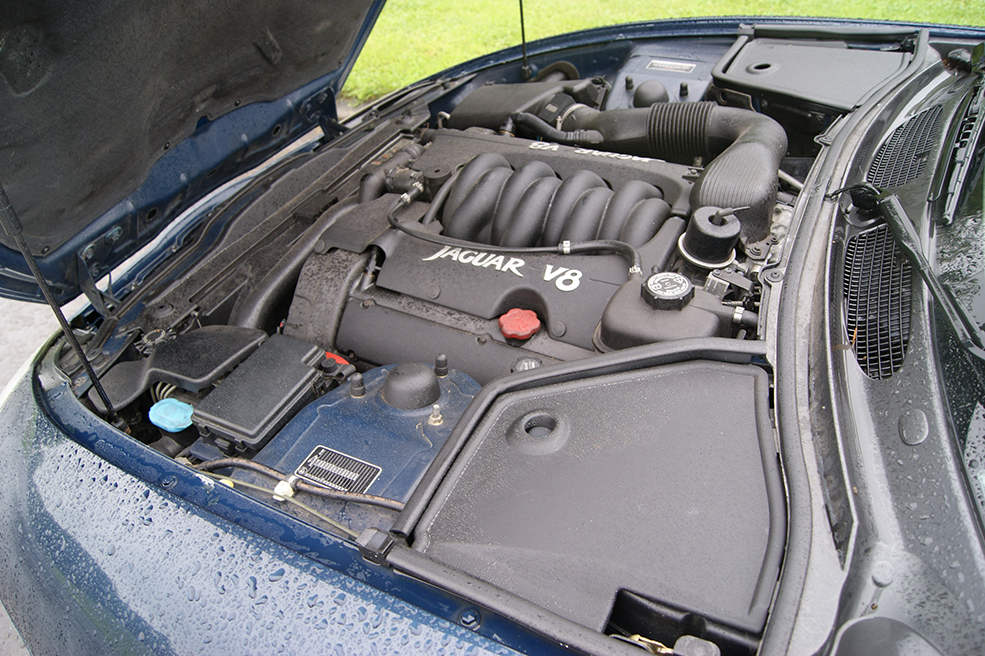
From the outset, buyers could choose between the coupé or soft-top, each powered by a brand-new 294bhp 4.0-litre V8 – the AJ-V8 – paired with a five-speed ZF automatic gearbox. This combination gave the XK8 a top speed electronically limited to 155mph and a 0-60mph time of just 6.4 seconds.
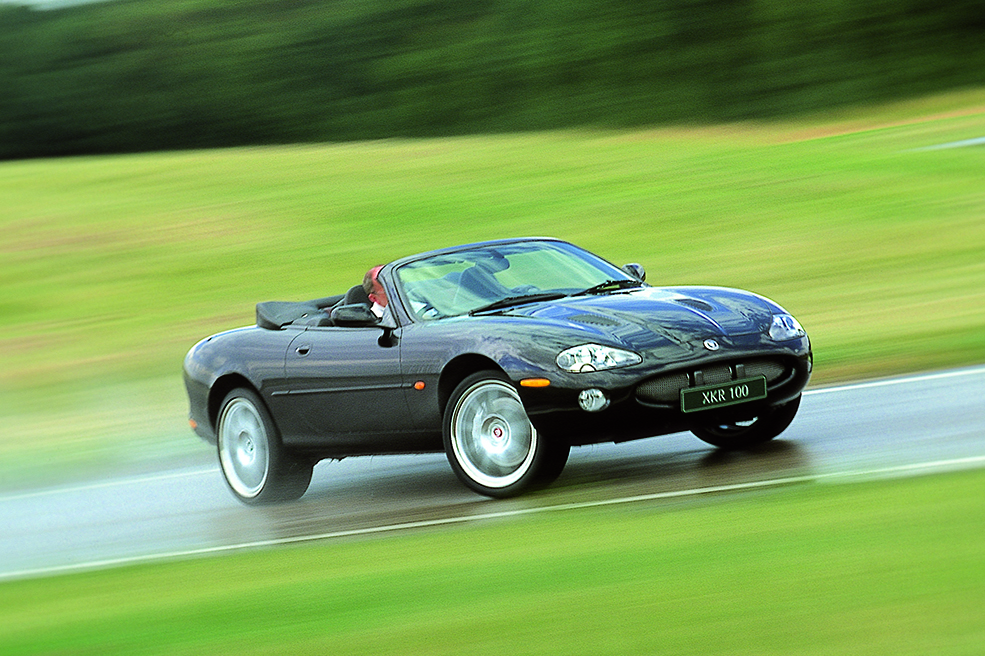
Within months, the XKR arrived for those craving even more performance, with a supercharged 370bhp engine and a series of aggressive styling upgrades. The XKR was Jaguar’s ultimate high-performance sports car, offering both power and presence in equal measure.
The XK8 and XKR proved a hit with buyers, dramatically outselling the old XJS. In 1997, nearly 15,000 XK models were sold, though by the early 2000s, annual sales had slipped below 7,000 as the cars aged.
Jaguar revitalised the range in 2002, replacing the 4.0-litre V8 with a 4.2-litre AJ34 unit. Outputs ranged from 300bhp in the XK8 to 400bhp in the XKR, with top speed still electronically capped at 155mph, while the XKR’s 0-60mph dropped to just 5.2 seconds. The old five-speed automatic was replaced by a six-speed unit – ZF for the XK8 and a Mercedes-sourced gearbox for the XKR.
These upgrades, combined with a series of limited editions, extended the XK8 and XKR’s life for another three years, with the final car leaving Jaguar’s Browns Lane factory on 27th May 2005.
By the end of production, 90,374 X100 XK models had been built, the majority being XK8 convertibles. Their popularity endures today, making both XK8s and XRKs highly desirable modern classics.
Jaguar X100 XK8 values
X100 values are as low as they’re ever going to be – high-mileage XK8s with some rust and a few gremlins can be had from £1500-£2500, but buy carefully around this price range as it’s all too easy to buy project that will exceed the cost of its finished value. More presentable coupes that are ready to be driven can be had for £3500-£6000, while the nicest cars on the market – particularly the collectible XKR100 – will set you back around £12,000-£15,000.
In each case, you can add £1500-£2000 for the supercharged XKR, and around £2000 for the more desirable convertible. Compare these figures to what you’ll pay for a Porsche 996, Mercedes R129 SL or Aston Martin DB7, and the Jag looks an absolute bargain. Whisper it, but we’d take a nice X100 over any of them…
Insurance Costs
2002 Jaguar XK8 4.0 Coupe, £6000 value
Example quote: £240.72 or £258.72 with Agreed Value.
Quotation supplied by Lancaster Insurance. Tel: 01480 400761
Quote based on a 45-year-old marketing manager, access to another car, no claims or convictions, club member, 3000 miles per year, no modifications, living in SP2 0HL. Disclaimer: Subject to underwriting criteria. An additional charge may be payable. Authorised and regulated by the Financial Conduct Authority.
Bodywork
Although the X100 is relatively modern, it is not immune to rust. Begin any inspection from underneath, paying close attention to the front floorpan – a notorious trouble spot. Water can become trapped beneath the steel plates under each front footwell, leading to corrosion. While replacement panels are available, repairs are labor-intensive and typically require stripping out the interior.
Continuing underneath, examine the ‘chassis’ legs ahead of the rear axle, along with the rear suspension anchor points and the A-frame mounts.
The most common rust problem, however, is at the front, where the chassis legs behind the subframe turrets can be checked from inside the front wheelarches. Significant corrosion here usually requires removing the front subframe, cutting out the affected metal, and welding in repair panels. While doing this, it’s wise to inspect and, if necessary, replace the subframe V-mounts, engine mounts, and suspension bushes.
All the usual vulnerable panels also deserve attention. XK8 and XKR sills are prone to corrosion, especially at each end, where dirt, salt, and road debris tend to accumulate. The rear of the sill is exposed and easy to check for rust or bubbling paint, but the front is hidden beneath a cover and mudflap, allowing grime to build up. Thankfully, front and rear sill repair panels are available from independent Jaguar specialists at a reasonable cost – though it raises the question of whether you want a car needing such work.
Wheelarches at both ends should also be inspected, as road dirt and salt often collect along the lips. The rear wheelarch has a plastic splashguard, which should be removed to check for trapped debris. Additionally, the rear quarter panel, located behind the wheel and above the bumper, can show early signs of rot. Replacement panels for wheelarches and rear quarters are also obtainable for those undertaking a restoration.
Finally, check that all bumpers are firmly mounted. The rear bumper, in particular, uses a metal bracket that can rust. Examine bumpers for mismatched paint, scrapes, or lacquer peeling. More broadly, inspect the bodywork for evidence of substandard repairs or non-original paint, especially in areas prone to rust.
Engine and transmission
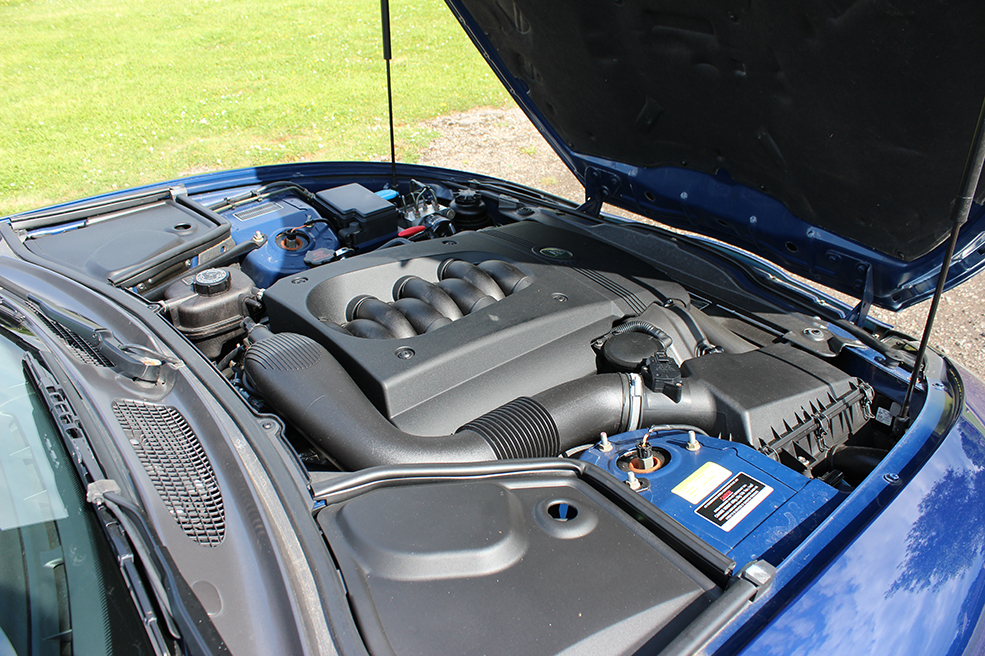
Early XK8s earned a poor reputation due to the use of Nikasil-lined cylinder bores, which often led to excessive oil consumption, low compression, and eventual engine failure. This issue was resolved in 2000 with the introduction of mild steel liners, and many early cars were subsequently fitted with replacement engines.
Another early weak point was the use of partly plastic timing chain tensioners and guides, though many have now been upgraded to steel parts – something worth verifying. Timing chain noises are common, especially on higher-mileage examples, while rattling on cold starts usually indicates worn or failing tensioners.
The XK8 X100’s drive belt is straightforward to inspect and should be replaced immediately if any cracks or splits are visible, as a snapped belt will leave you without water pump or power steering. The same applies to the XKR’s supercharger belt, which becomes even more urgent if damaged.
Lower engine mounts, which attach the engine to the front subframe, can wear or fail over time, causing noticeable engine movement under hard acceleration or braking. Always review any X100’s maintenance records, as regular oil changes and servicing are crucial. Gearbox oil should be changed, along with a new filter, every 60,000 miles. Avoid cars without a full service history, as previous neglect often leads to costly repairs.
Most engine management warning lights are triggered by either Lambda sensors or knock sensors, neither of which is catastrophic. More critical is ensuring the engine itself sounds healthy and performs reliably. Both sensors are generally straightforward to replace, although knock sensors on XKRs are located beneath the supercharger and can be laborious to access.
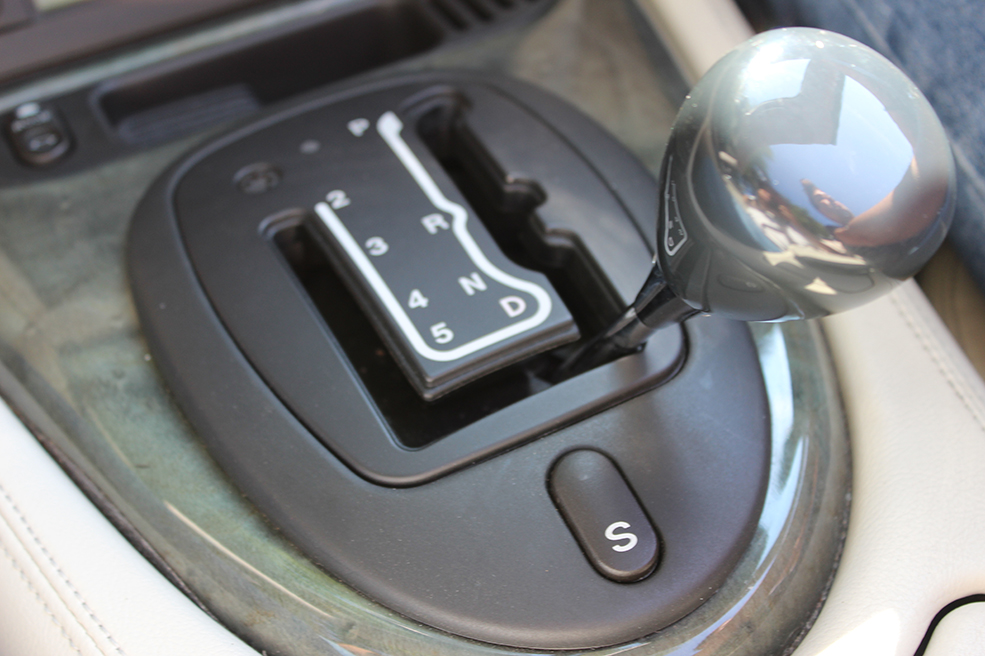
The five-speed ZF automatic gearbox in the XK8 is susceptible to front clutch drum failure, while the later six-speed can slip on high-mileage cars, triggering an incorrect gear ratio warning and engaging limp-home mode.
On the XKR, the Mercedes gearbox can occasionally seize, typically due to output shaft or planetary gear faults. When assessing any car, ensure gear changes are smooth and responsive, with no slip under load. On 4.2-litre models, confirm that Sport mode operates correctly, delivering immediate kickdown when selected.
Suspension, steering and brakes
The braking system is generally dependable, though it’s worth noting that models from 1999 onward benefit from improved stopping power due to 325 mm front discs, up from the 305 mm discs fitted to earlier cars. On the earliest cars, a common weak spot is the ABS pump attached to the ABS electronic control module. These are connected electronically via a twin-insulated wire, and the soldered joint on the module’s circuit board can sometimes fail.
When inspecting any X100, pay attention to the condition of the discs and pads – replacing everything all at once can be expensive, even through an independent specialist. During a test drive, watch for any signs of warped discs under braking.
Suspension bushes on the X100 are prone to wear, and a rear rattle often points to worn damper lower mounting bushes. The large bushes that attach the front of the rear subframe to the chassis can also degrade, so these, along with their mounting brackets, should be checked. Front wheel bearings are commonly worn, but replacements are generally straightforward and affordable.
The inner bushes on the front upper wishbones can deteriorate, though new ones are easy to source and inexpensive – replace both sides for best results. Likewise, the D-shaped bushes that hold the front anti-roll bar to the subframe can wear and will fail an MoT – they are relatively cheap to replace, though fiddly with the subframe in place.
X100s come with wheels ranging from 17 to 20 inches depending on the variant, with the larger wheels fitted with very low-profile tyres, making them more vulnerable to kerbing and general damage.
Interior, trim and electrics
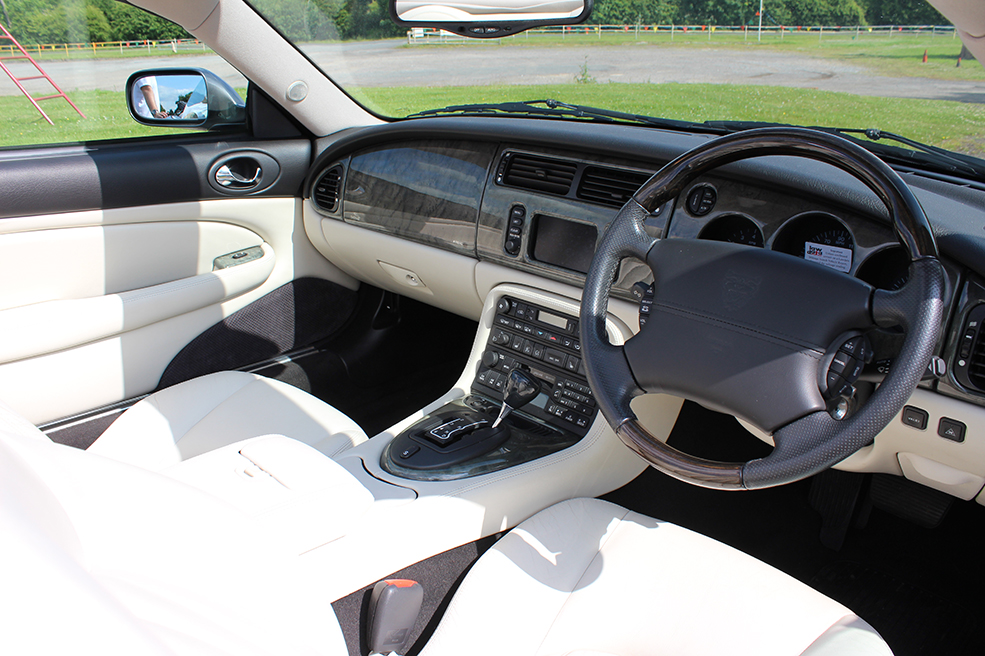
All X100 models come with leather upholstery, and the front seats are electrically adjustable. Be aware that the wiring running beneath these seats can sometimes become pinched or damaged, potentially blowing a fuse. Both front and rear seats should be inspected for wear, particularly the side bolsters of the front seats. Replacement front seat covers are available from Aldridge Trimming at around £800 per pair, but professional fitting will also be required.
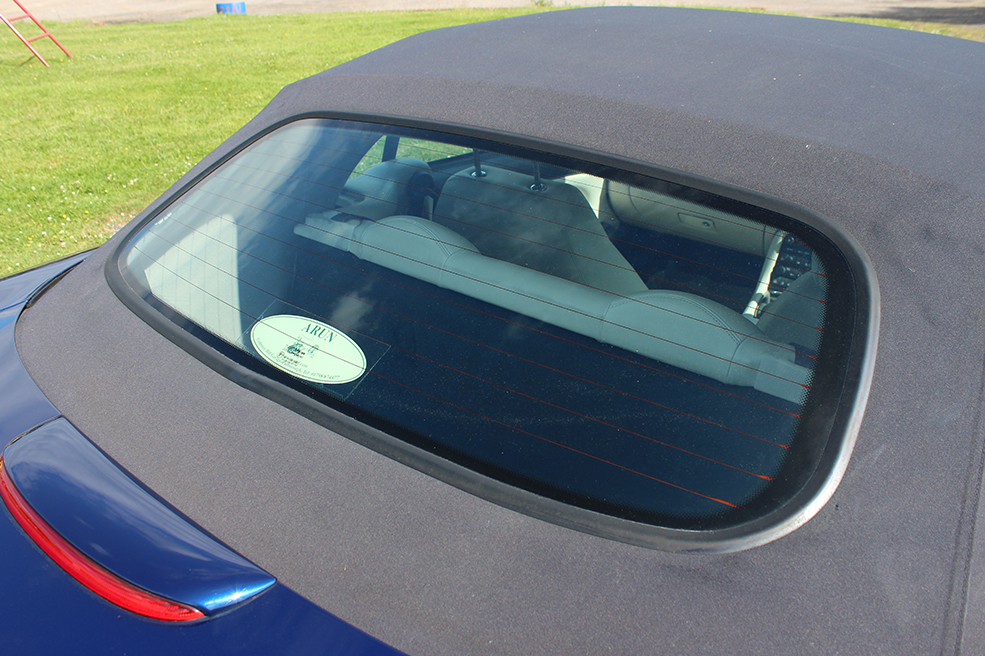
For coupé models, check the headlining carefully, as it has a tendency to sag. Replacement upholstered headlining boards are widely available if needed. Convertible owners should ensure the electric roof operates smoothly; if the CHF11S hydraulic fluid hasn’t been renewed every five to six years, it can thicken, block the lines, and cause the hood to stick. Inspect the hood fabric and the rear glass with its heating element, since a full replacement hood can be very costly.
Electronics, especially the remote central locking, should be thoroughly checked. If the remote fob fails to communicate with the car, repairs can be expensive, as the controlling ECU is reportedly no longer in production. A fully working secondhand unit can cost several hundred pounds.
Lastly, for cars with electrically-adjustable steering columns, the ‘reach’ adjustment is a frequent weak point. Usually, the issue is not the motor but the steel cable connecting it to the column. Fortunately, replacing this is generally straightforward and relatively inexpensive.
Jaguar XK8 (X100): our verdict
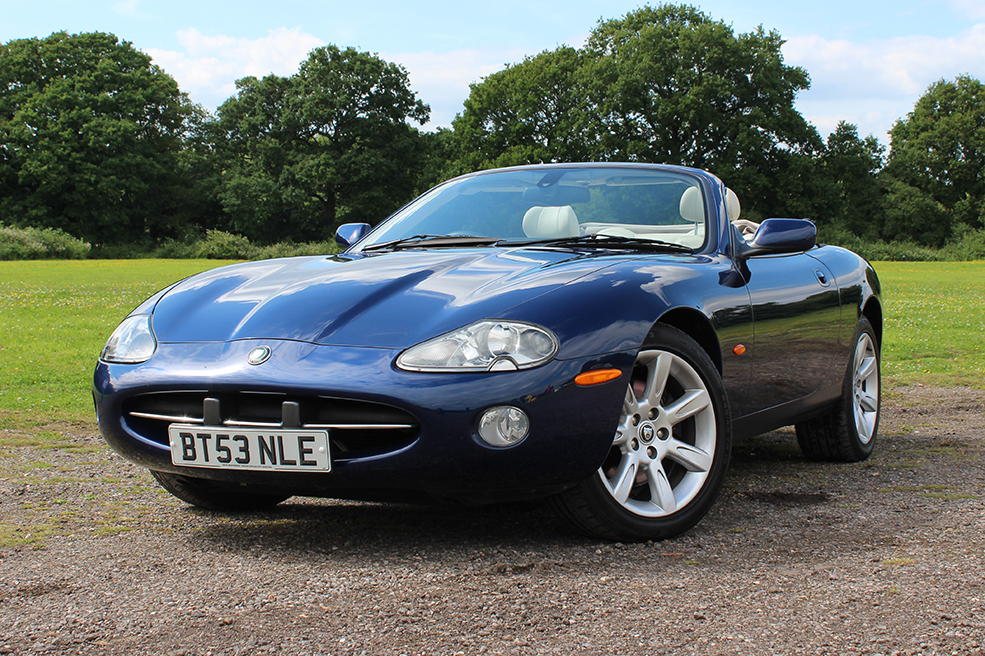
Few modern classics strike the balance of power, comfort, sleek styling, and specialist support quite like the first-generation Jaguar XK8. Competitors such as the slightly less refined Aston Martin DB7 or the more restrained Mercedes R129 SL exist, but the XK8 still undercuts them on price – for now, at least.
Overall, the Jaguar XK8 is a compelling modern GT. With the budget to maintain it properly, it offers a rewarding ownership experience and could well see its values rise in the years ahead.
Early XKRs and convertibles are likely the strongest long-term investments, yet for everyday use a 4.2-litre model may be wiser for its reliability and fuel economy. A coupe is also recommended, as it delivers better value, avoiding the higher prices and desirability premiums of the convertible.
Jaguar XK8 (X100) timeline
1980
Jaguar begins work to produce a spiritual successor to the all-conquering E-type. XJ41/XJ42 project begins to take shape.
1989
XJ41/XJ42 concept shelved, used instead to form the basis of the Aston Martin DB7.
1992
Work begins on the X100 project.
1996
Production-ready Jaguar XK8 revealed at the Geneva Motor Show
XK8 sales begin towards the end of 1996
1998
Go-faster Jaguar XKR introduced with 370bhp supercharged V8 power.
2000
2001 model-year facelift arrives
2002
2003 model-year facelift introduced
2004
XK8 given a final light facelift including styling updates, new wheels and paint finishes.
2005
Advanced Lightweight Coupe concept shown at Detroit Motorshow in January.
Final Jaguar X100-generation XK – a Zicon Blue XKR model – is built in May.
2006
All-new Jaguar XK X150 arrives on sale