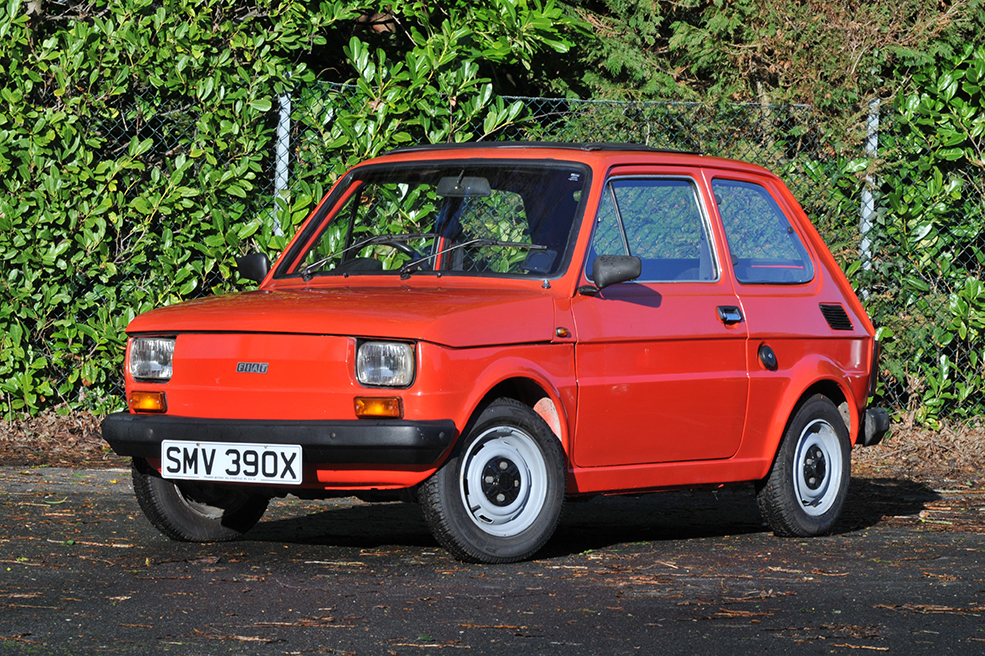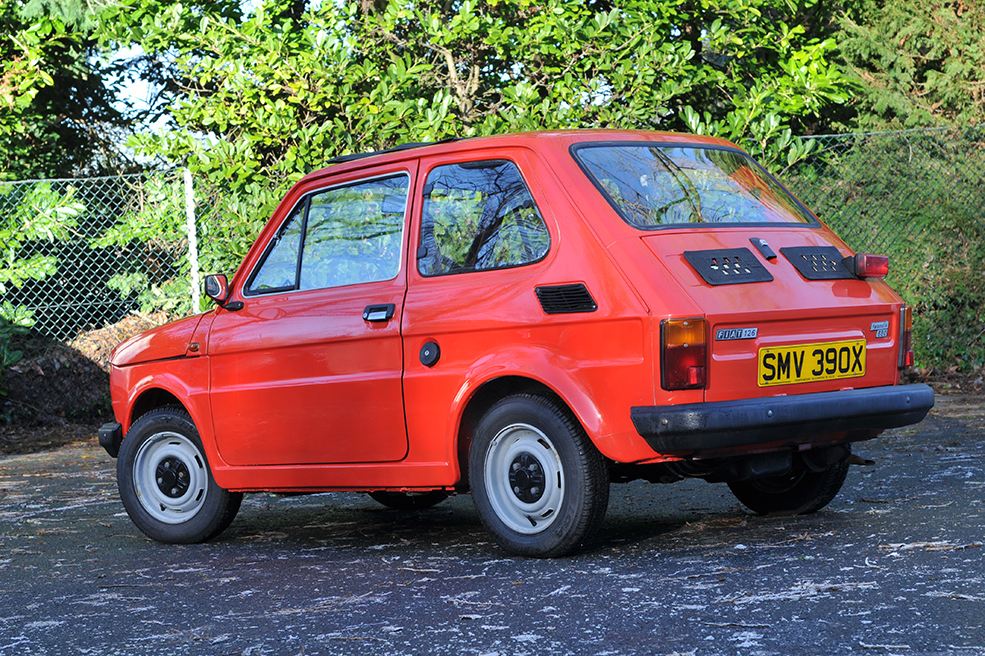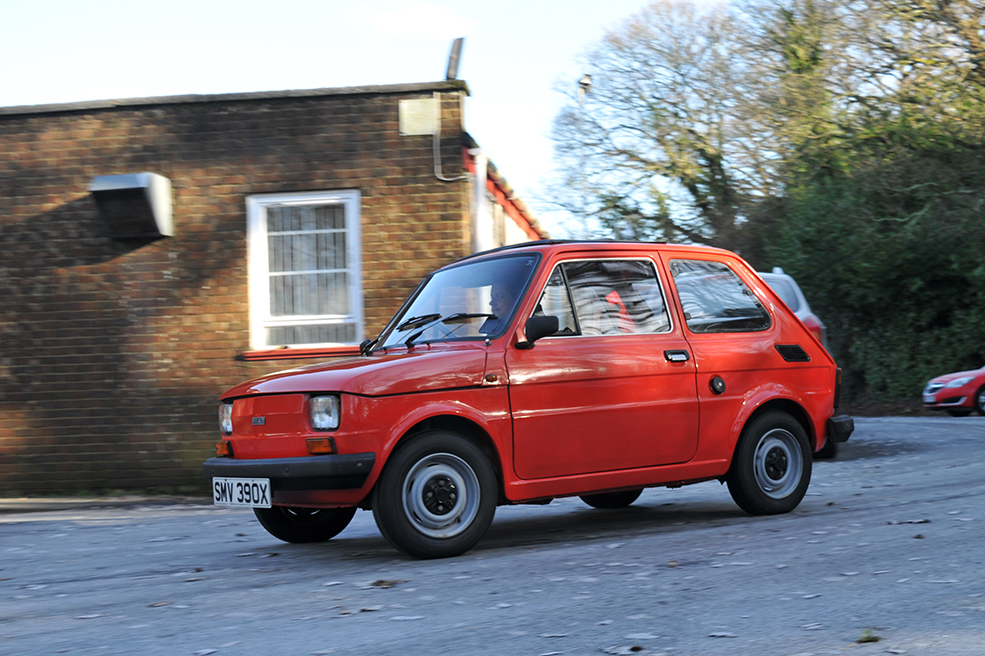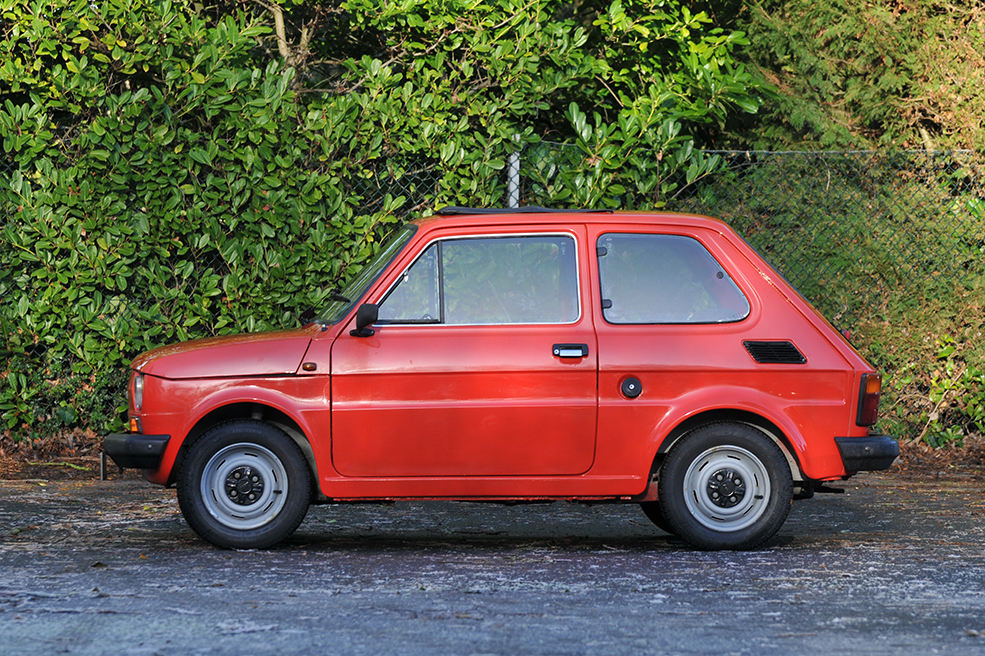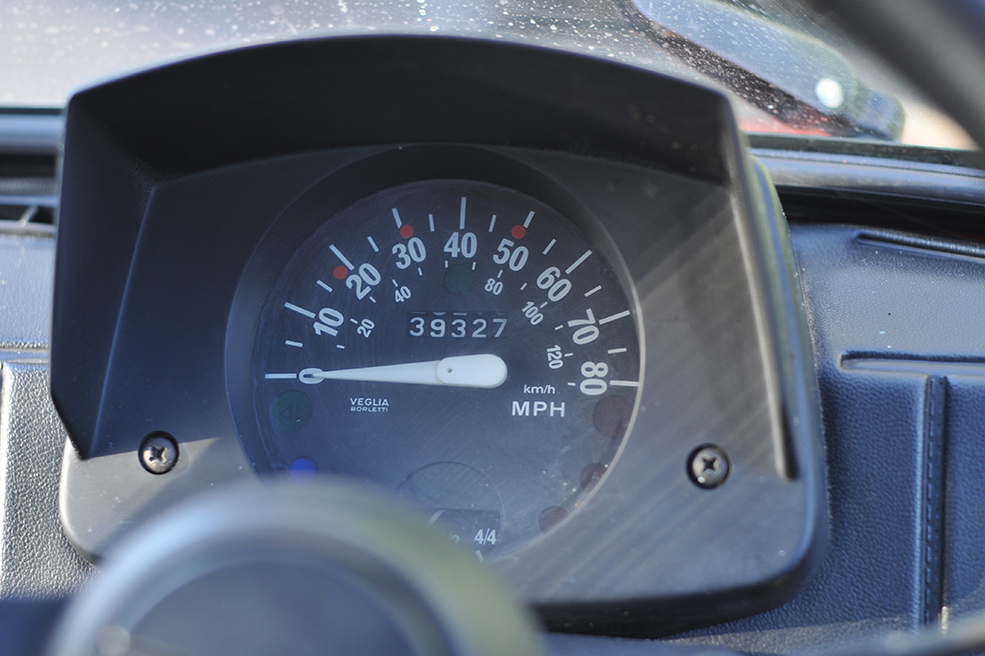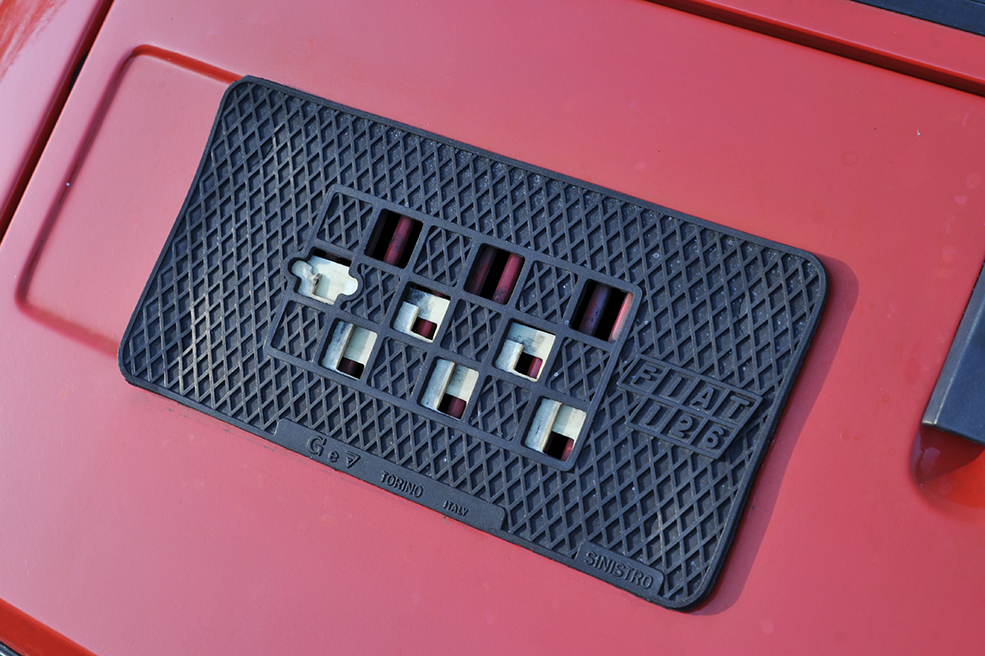

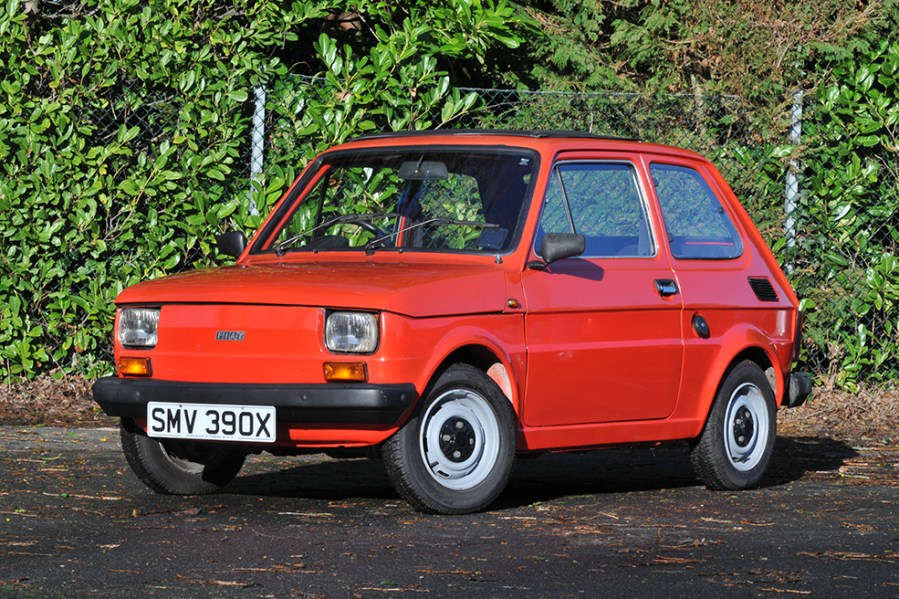
The Fiat 126 combined the charm of the 500 with a more up-to-date look. Today it makes an interesting, diverting and cheap classic buy
Words: Richard Gooding Images: Paul Wager
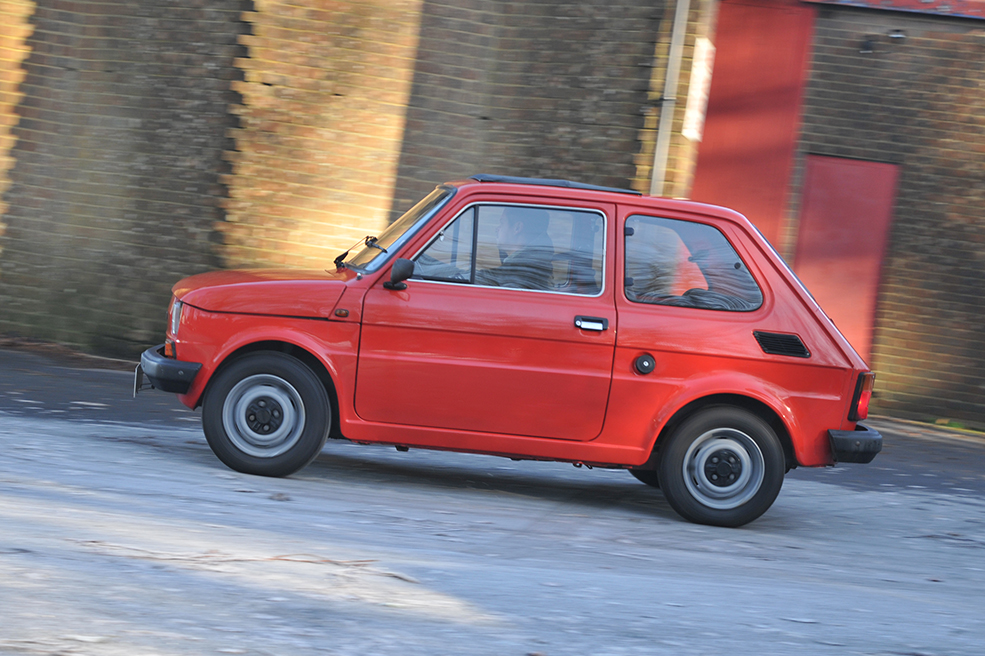
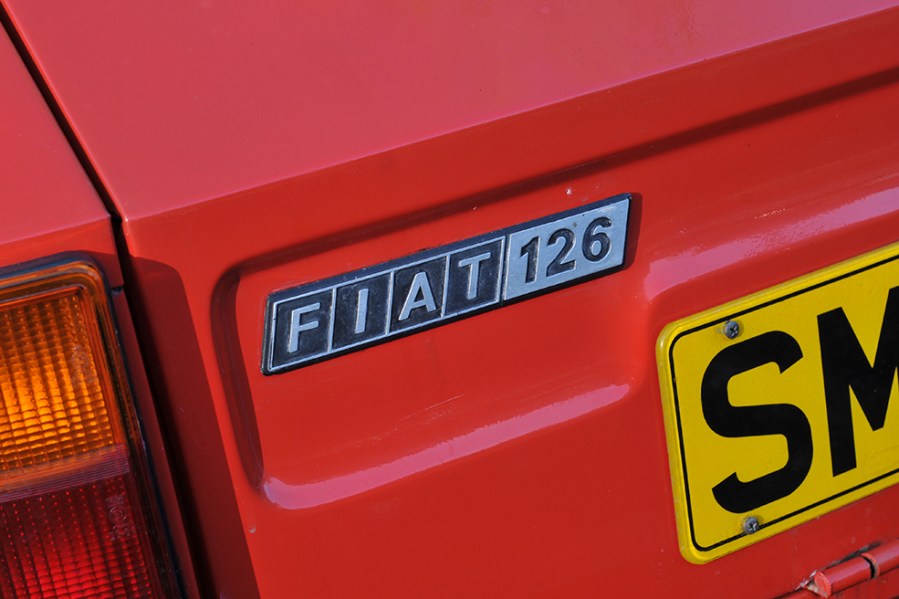
When talk turns to Fiat’s smallest cars, it is usually the Nuova 500 of 1957-1975 that comes to mind, yet its successor – the Fiat 126 – was intended to deliver much the same character in a more up-to-date package.
Introduced in 1972 and reaching the UK a year later, the 126 carried over the 500’s fundamental structure and mechanicals, with an air-cooled, rear-mounted twin-cylinder engine driving the rear wheels. Its squared-off bodywork, penned by former Ghia stylist Sergio Sartorelli, was more modern in appearance and took clear cues from the larger 127. Inside, it offered more space than the 500 and improved safety thanks to a better-protected fuel tank, dual-circuit brakes and a collapsible steering column, while the gearbox now featured synchromesh on all gears bar first.
Although the 126 never captured Western Europe in quite the same way as the 500, it ultimately sold in greater numbers thanks to its unlikely status as Poland’s people’s car. Almost three quarters of all examples were built there, while production also took place in Yugoslavia by Zastava, with cars exported as far afield as China, Australia and Cuba. In 1987, the original air-cooled model was supplemented by the water-cooled, hatchback Bis, which became the only version sold in the UK until its withdrawal in 1992. Polish production of the air-cooled car, however, continued until 2000, giving the 126 an overall lifespan a full decade longer than that of the 500.
Fiat 126 values
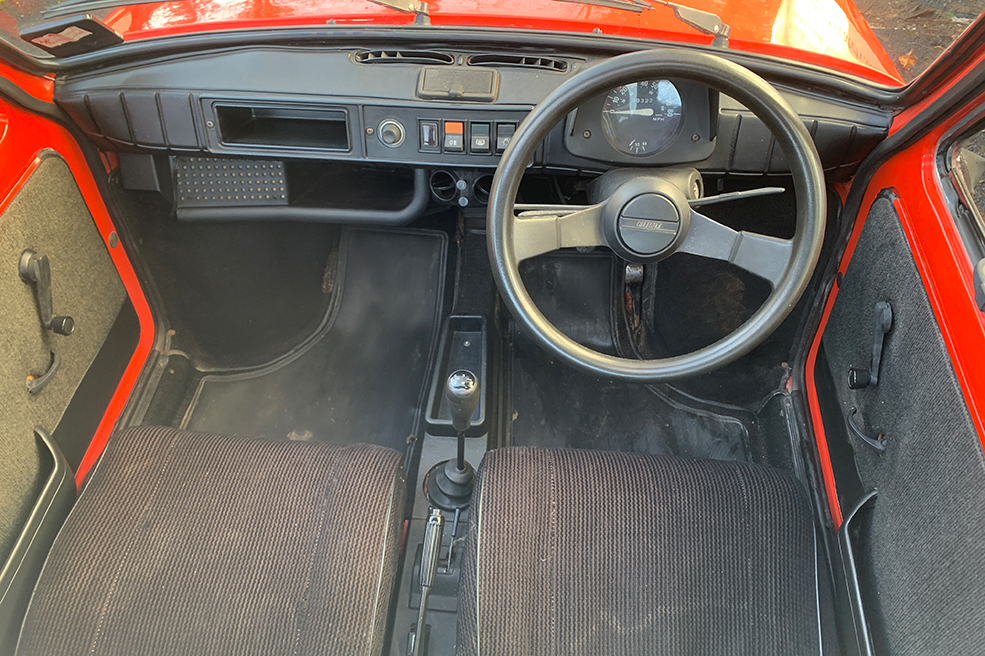
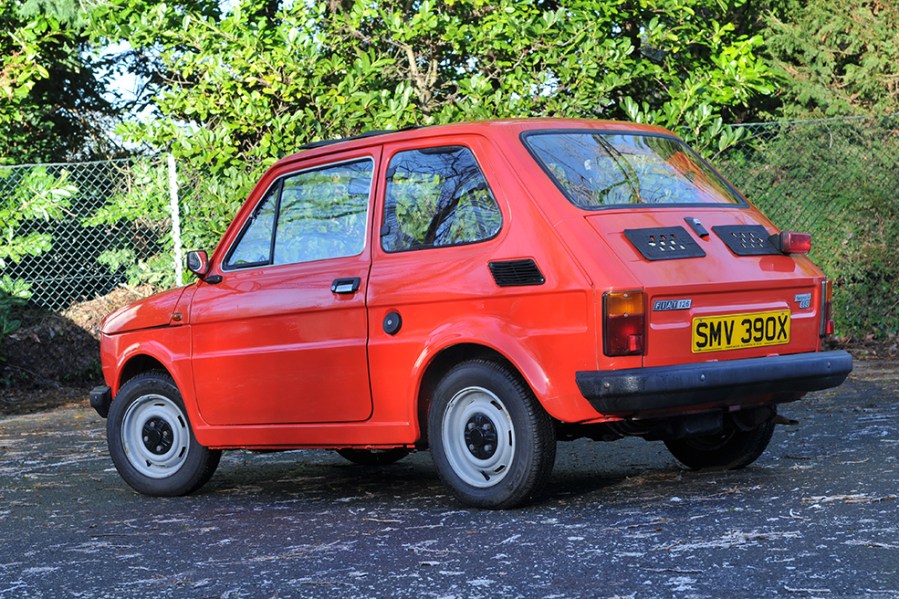
Unsurprisingly, the earliest examples of the 126 – identifiable by their different dashboard, steering wheel, carpets and wheels – generally command the strongest prices, with excellent, well-presented cars changing hands for around £7000. At the opposite end of the market, projects can start from as little as £500 (but are only for the brave), while other cars, including later Polish-built examples that have been privately imported, typically sit around £2500-£4000. Desirable special editions, such as the early-1980s De Ville, can achieve £6000-£8000 when in good condition.
When viewing a 126, Hutton recommends beginning with a thorough check for rust and working backwards from there, as corrosion is the single biggest factor in a car’s value and ultimately decides whether it can realistically be returned to the road.
Insurance Costs
1980 Fiat 126, £6000 value
Example quote: £109.97 or £127.97 with Agreed Value.
Quotation supplied by Lancaster Insurance. Tel: 01480 400761
Quote based on a 45-year-old marketing manager, access to another car, no claims or convictions, club member, 3000 miles per year, no modifications, living in SP2 0HL. Disclaimer: Subject to underwriting criteria. An additional charge may be payable. Authorised and regulated by the Financial Conduct Authority.
Bodywork
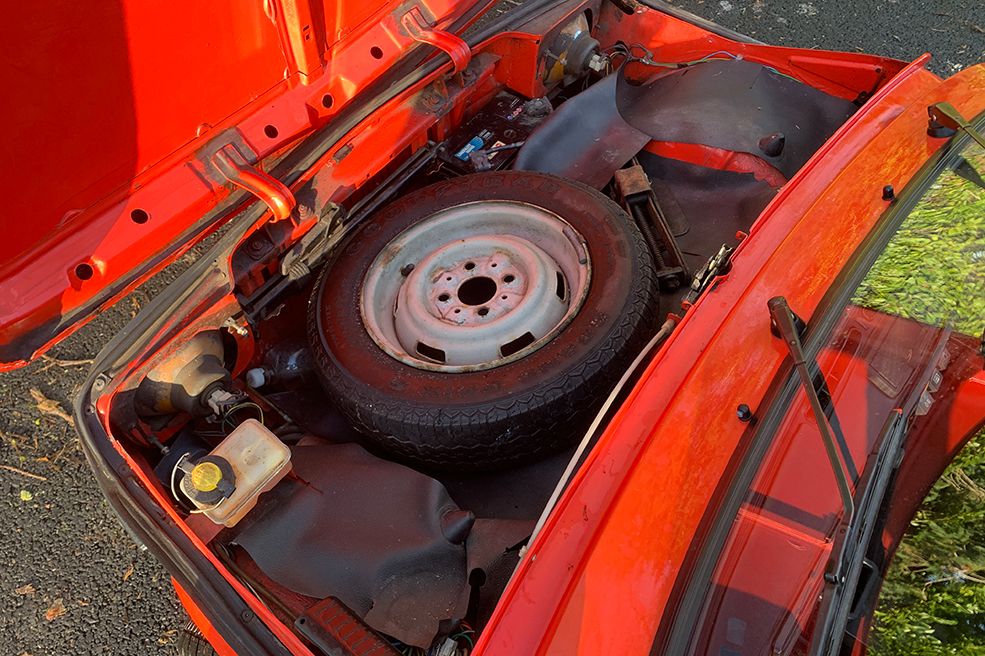
“Rust is a major issue on 126s,” says Chris Hutton, 126 Registrar at the Fiat Motor Club GB. Virtually no area is immune. The sills are particularly vulnerable, especially where they join the front and rear arches, and can rot badly. “The bottom corners of the rear arches seem to suffer most, as they effectively act as a water trap,” Hutton explains. The front panel is similarly prone, with the spare wheel well collecting water and leaves. Although there is a drain hole, if it isn’t kept clear water can sit there and eat through the metal completely.
The floors are another known weak point, although complete replacement panels are still available. That said, if the sill corrosion isn’t dealt with first, rust can spread into newly fitted floors if the problem is ignored. New old stock panels can still be sourced from Italy, while well-fitting reproduction panels are offered by firms such as Rhibo.
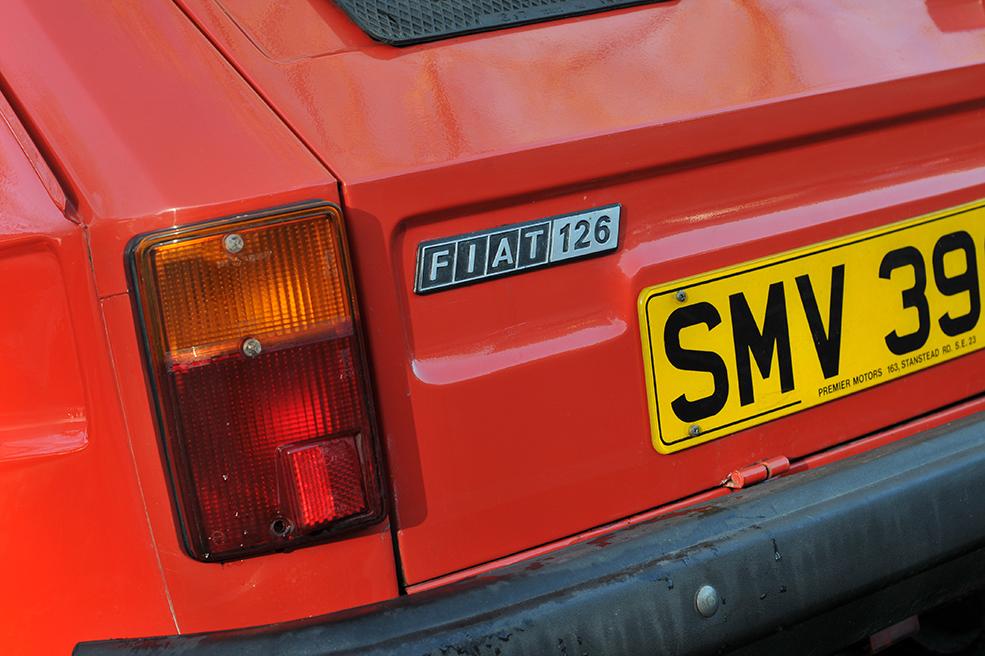
Early cars generally have little in the way of exterior trim, with chrome bumpers the main exception. Once again, parts availability is far better in Italy than in the UK, where Hutton notes that early metal bumpers are now extremely scarce. “Reproduction versions are available, but they seem to rust very quickly,” he adds. The plastic bumpers fitted to later cars are far easier to find and relatively inexpensive. Those later models also gained plastic side mouldings that bolt to the body and are much more readily available. “Hubcaps and wheel trims are fairly easy to source as well,” Hutton confirms.
Glass can prove more problematic. Early cars didn’t have a heated rear window, and these plain rear screens are quite rare and seldom appear for sale. Heated rear windows, by contrast, are plentiful and can be bought for very little money, according to Hutton. Early windscreens with a rubber seal incorporating a chrome insert are also an issue, as these are now obsolete and effectively unobtainable. Windscreens for later models, however, remain available.
Engine and transmission
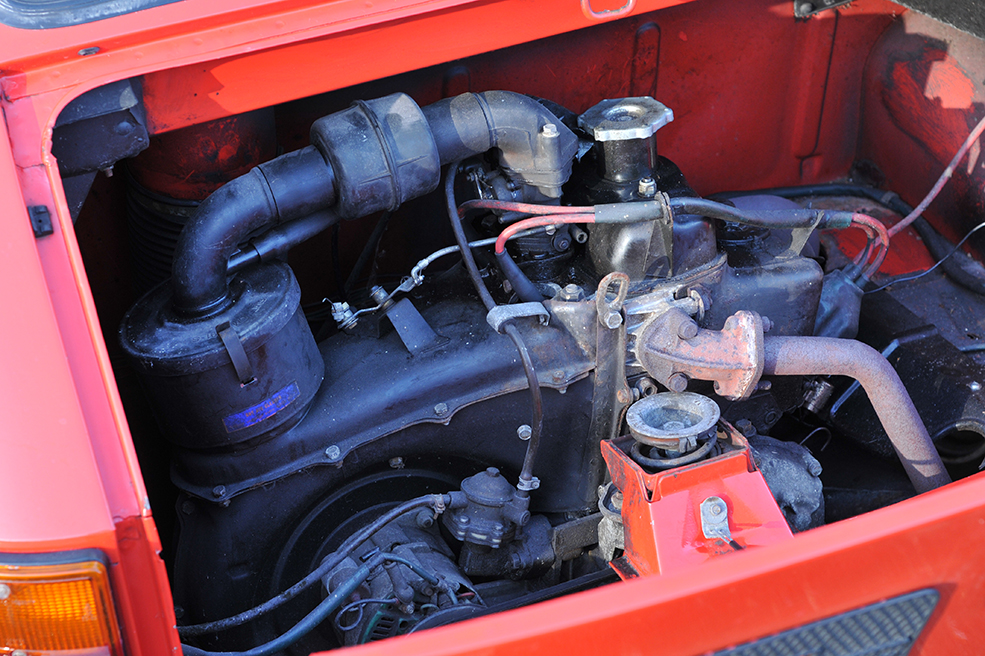
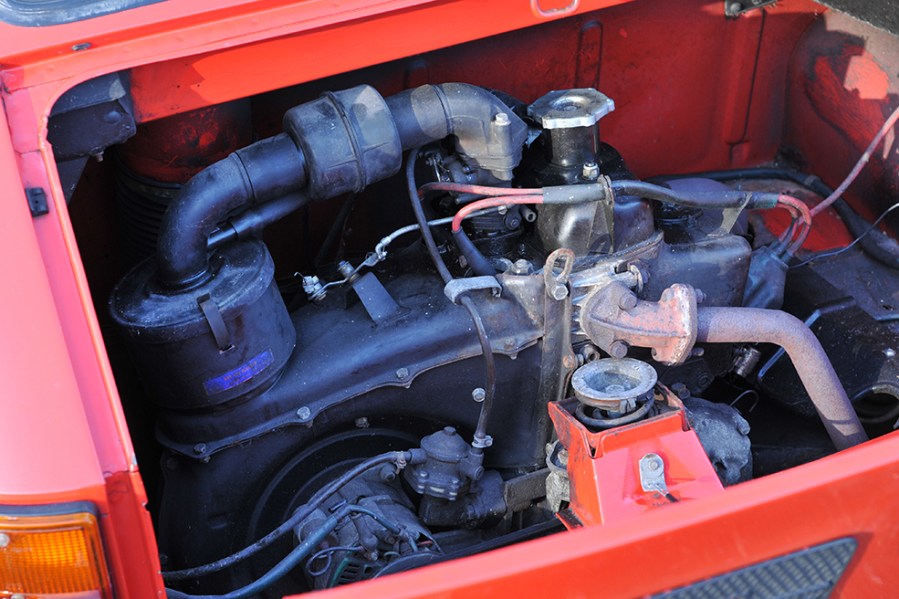
The Fiat 126 originally launched with an air-cooled, two-cylinder 594cc engine producing 23bhp. For 1977, a 652cc version arrived with the same power output, but torque rose by 3lb ft to 32lb ft. Later, the water-cooled 704cc 126 BIS, built from 1987 to 1991, offered 26bhp. Engine parts remain readily available, and Hutton notes that as owners and tuning firms began modifying these small engines, complete tuning kits emerged that can add eight or even 10bhp – a sizeable gain when you start with around 25bhp. Specialists such as Motobambino, Auto Bella and Fiat Classic supply most engine components and many other 126 parts.
Ignition condensers are a known weak spot, and Hutton always advises carrying a spare condenser and points. New condensers cost around £10, while a full ignition service kit is roughly £37. Electronic ignition conversion kits are also available for under £50 from suppliers including AccuSpark. The engines themselves are generally tough, although the BIS is particularly susceptible to head gasket failure.
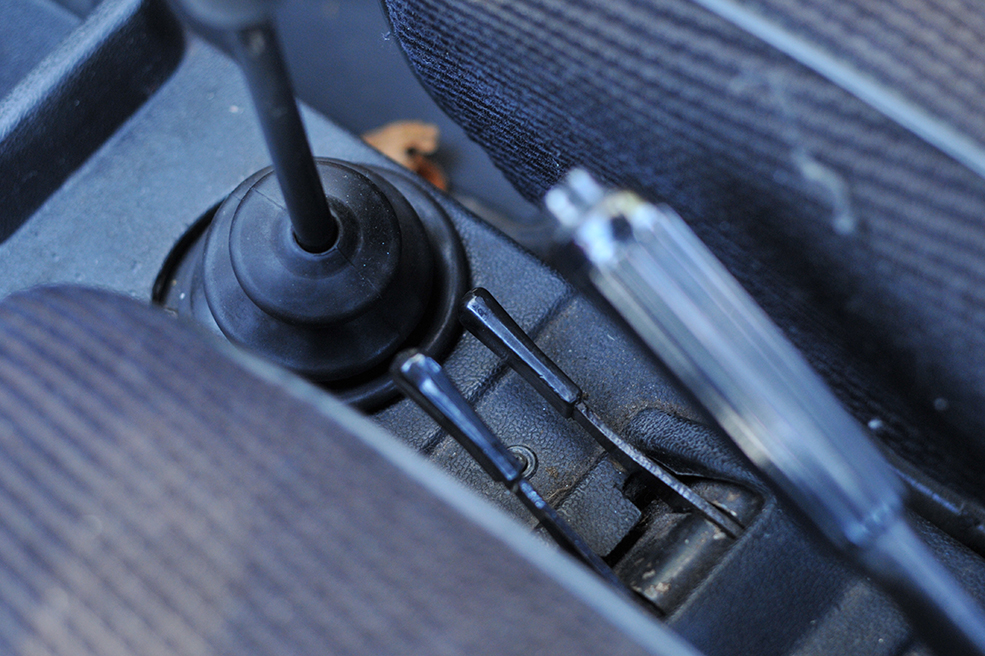
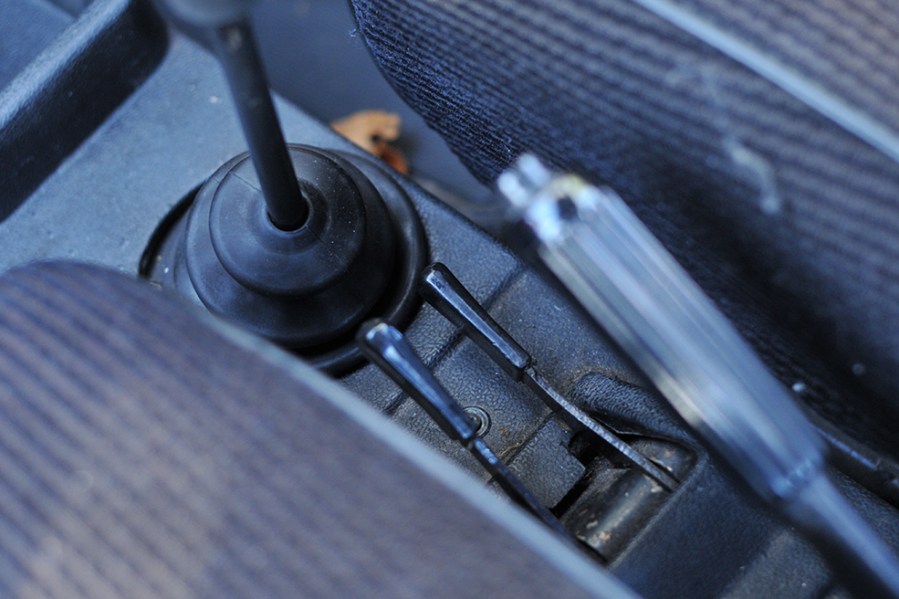
Every 126 was fitted with a four-speed gearbox. “They can jump in and out of first or reverse because there’s no synchromesh,” says Hutton. “It might just be a gearbox mount, which costs about £10 and an hour’s work to fix, but it can also be internal gearbox wear.” During a test drive, watch for jumping out of gear, though proper diagnosis may require getting underneath the car to check whether the mounts have deteriorated.
Routine maintenance on a 126 is simple, and you don’t need advanced mechanical skills to work on one. The car doesn’t even need to be lifted to access the sump plug. There’s no conventional oil filter, only a centrifugal unit that simply needs cleaning and refitting. Fan belts are shim-adjusted as well, making them easy to set correctly.
Suspension, steering and brakes
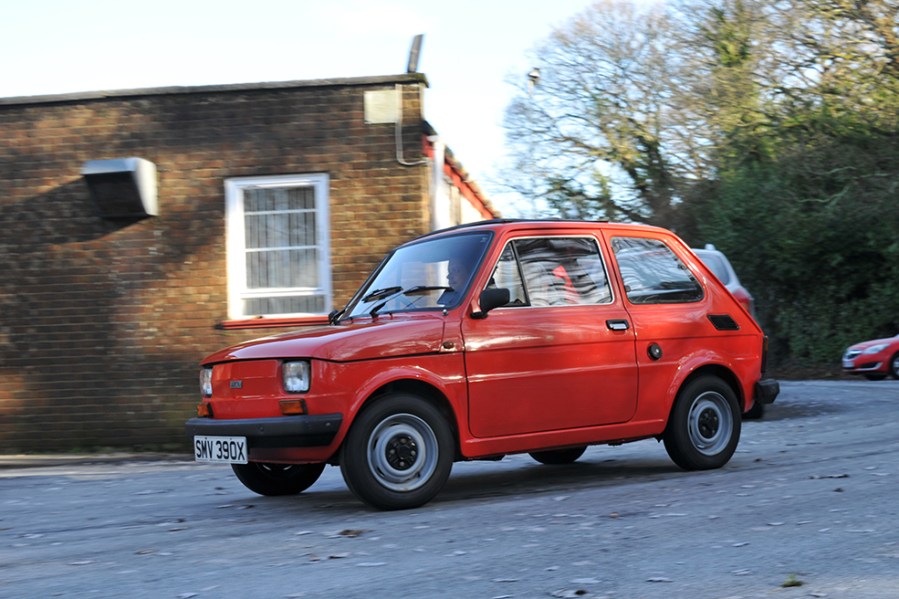
The Fiat 126 uses a leaf spring up front, with a shock absorber on each side, while the rear employs a more conventional spring and damper arrangement. “The steering set-up is very simple,” says Hutton. “It’s either a rack or a box.” Steering boxes are readily available, but right-hand-drive racks are virtually impossible to find. If a right-hand-drive rack does fail, you could be facing a bill of several hundred pounds, assuming you can even source one. Track-rod ends can be renewed, although even professional reconditioning may not eliminate all play in the box.
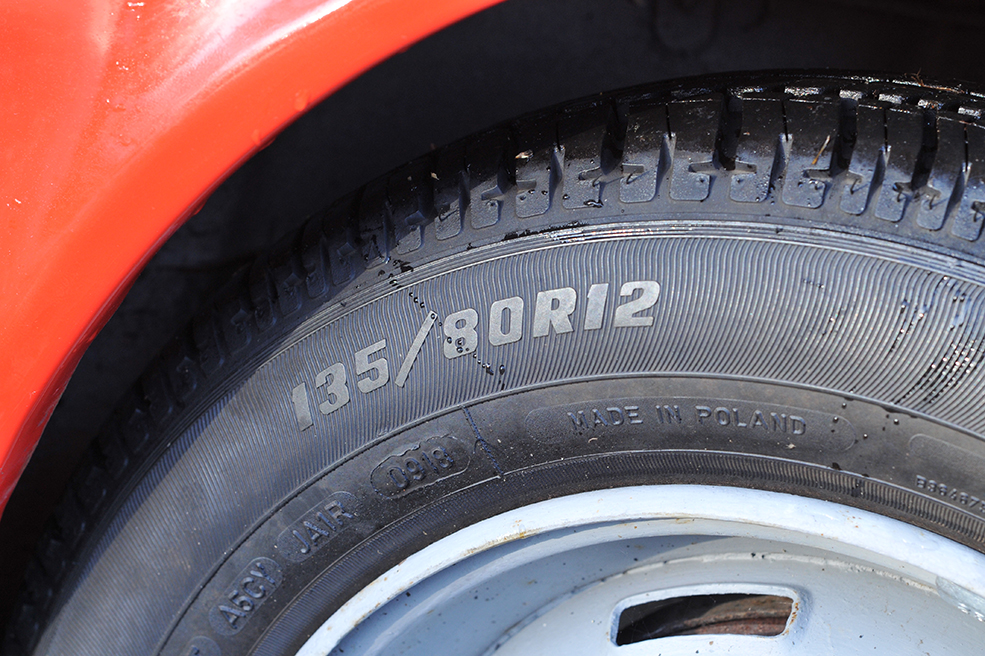
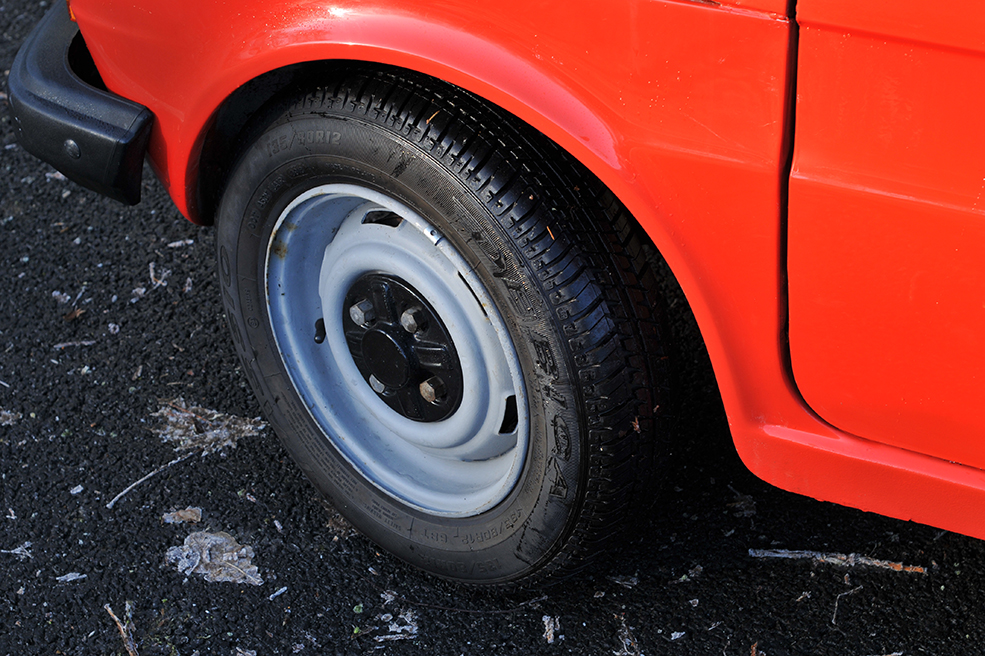
With drum brakes fitted all round, braking performance is not a strong suit of the Fiat 126, even on post-1976 cars with larger 185mm cylinders. If the brake fluid overheats, the pedal can drop straight to the floor. Front disc conversions are a popular modification, often using components from the Panda or Punto. Hutton describes this as an excellent and highly worthwhile upgrade. “It’s around £250-£300 all in, and I’d recommend it to anyone,” he says. The only drawback is that the standard 12-inch wheels can no longer be used, as 13-inch rims are required to clear the callipers.
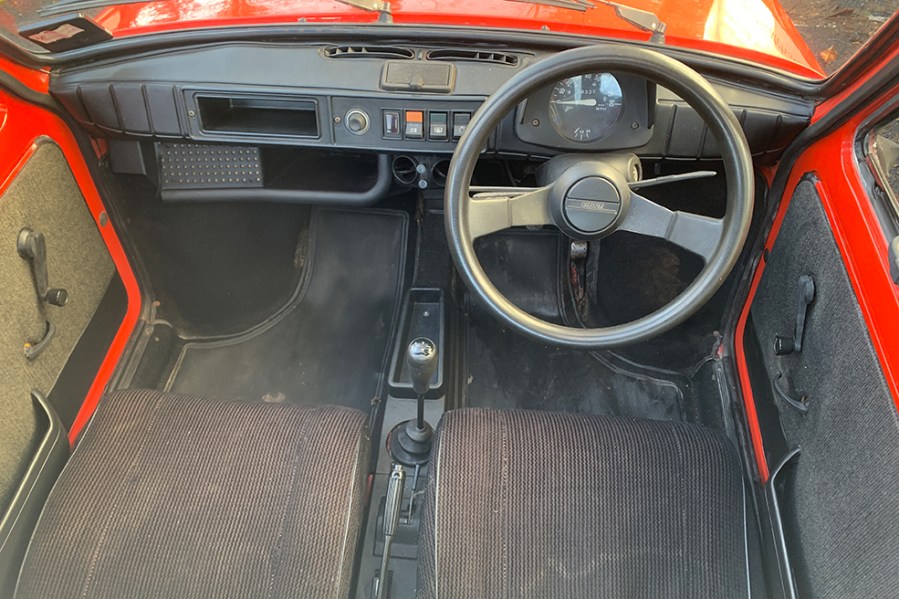
Interior, trim and electrics
Italian cars of the 1970s often have a poor reputation for build quality, but the 126 is fairly trouble-free thanks to having so few components that can go wrong. Typical faults include the lighting stalk; if the contacts are dirty or corroded, it can cause problems with the indicators or high and low beams. A new stalk costs as little as £30.
The headlights are a more significant concern. Right-hand drive units are now completely unobtainable, and while left-hand drive lights can be adapted, the right-hand units are sealed. If you do locate one, used examples can fetch around £150 per side.
Otherwise, the electrics rarely cause trouble, confirms Hutton. “People talk about ‘Italian electrics’, but I keep a condenser in the car – as that can fail – yet I’ve never had issues with the horn, lights, indicators, dash lights, or oil pressure warning,” he says.
Interior trim is interchangeable across models, and swapping parts is common practice. “The original car didn’t have headrests,” Hutton adds, “so the seats only reach the middle of your back. On long trips, they can be quite uncomfortable.” Early and late models share the same seat runners – also found on the contemporary Fiat 500 – so seats are a frequently swapped interior component.
Fiat 126: our verdict
Largely overlooked, the Fiat 126 has a charm all of its own as a classic car. Its boxy, angular lines might not appeal to everyone, but owners quickly grow fond of them. “They’re just so much fun, and you get so much attention driving down the road,” says Hutton. “It’s quite ridiculous how many people stop, point, smile, take photos, and laugh,” he adds. While other small car classics such as the Mini and 2CV are far more common, a well-preserved 126 is distinctive, offering plenty of head-turning appeal and strong potential as a starter classic. After all, if a 126 is good enough for Hollywood stars like Tom Cruise, it’s good enough for the rest of us…
With most parts readily available, provided you can track down a good example, the tiny 1970s Fiat still has a lot going for it. Owners are passionate and devoted, and clubs such as the Fiat Motor Club GB and Fiat 126 Club UK provide a wealth of support and information. Online forums, including club126uk.co.uk, are also invaluable resources.
Fiat 126 timeline
1972
Unveiling at the Turin motor show and start of production at the new Cassino plant in Italy.
1973
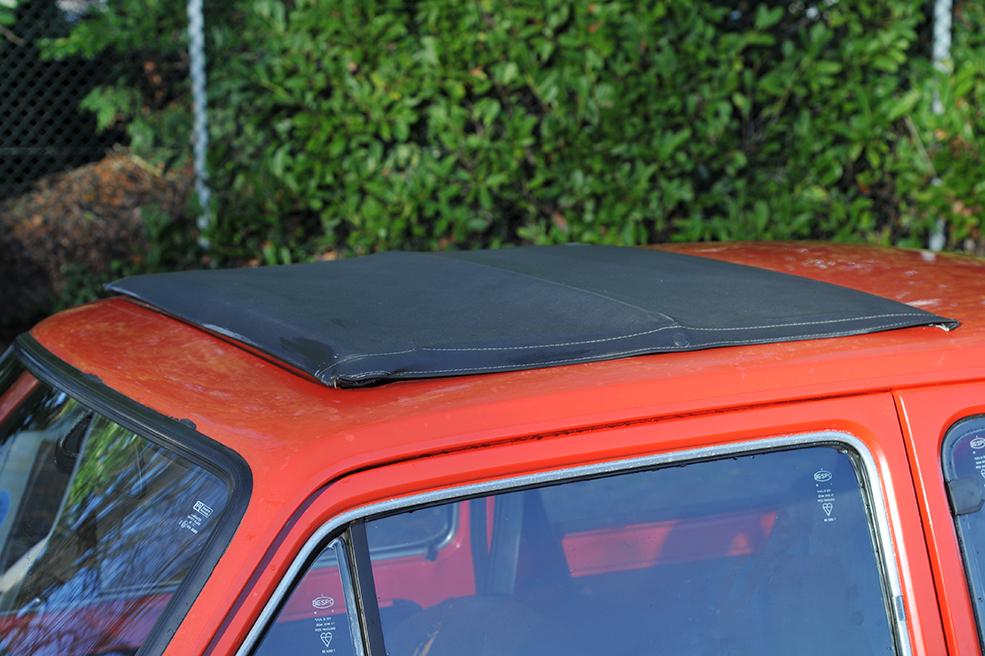
Right-hand drive UK sales begin. The first Polski Fiat 126p rolls off the Bielsko-Biala production line. Canvas sunroof option.
1975
Polski Fiat 126p production begins in the appropriately named Polish city of Tychy.
1976
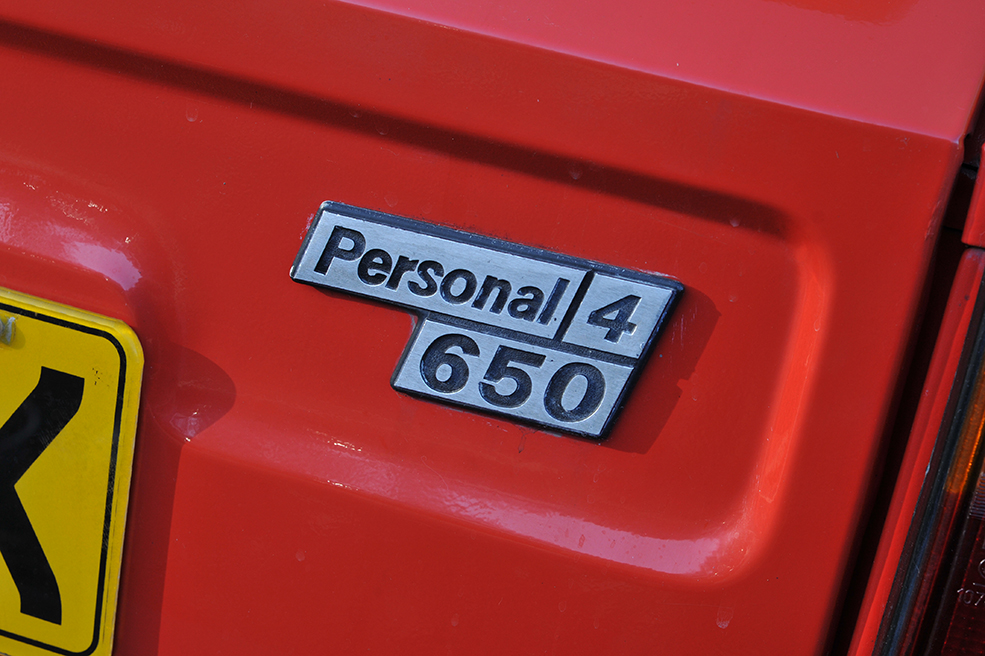
Revised dashboard and steering wheel; Personal and Personal 4 special editions launched (marketed as DeVille in UK).
1977
Uprated 652cc engine and larger 185mm brakes.
1978
594cc engine production stops.
1979–1981
Black, Silver, Red and Brown special editions introduced with more refined interiors.
1980
Fiat 126 production ceases in Italy, after 1,352,912 cars produced.
1985
650E model introduced, with higher 8.0:1 compression ratio and revised ignition settings.
1984
Technical and body changes introduced with 126 FL.
1987
Water-cooled 126 BIS arrives with 704cc engine, and rear hatchback.
1992
Last Fiat 126 imported to the UK, replaced by the larger Cinquecento.
1994
‘EL’ model introduced using very similar parts to the new Cinquecento.
1997
Catalytic converter creates ‘ELX’ variant.
2000
Happy End model sees the end of 126 production after 4,673,655 units are built.