
Jaguar has rarely been out of the headlines recently. Its bold “Copy Nothing” rebrand split opinion almost immediately. The new direction is part of Jaguar’s move towards a luxury electric future. The Type 00 concept also showed how dramatic that change could be.
Jaguar’s past still has pulling power
Yet while the future of new Jaguar may be dividing enthusiasts, the classic Jaguar market is sending a very different message: the great Jaguars of the past still have serious pulling power.
At Iconic Auctioneers’ BRDC Classic sale at Silverstone, Jaguar was the highest-value marque in the results spreadsheet, generating approximately £1.88m across the weekend’s Collectors’ and Competition Car auctions. That figure was led by one of the marque’s most dramatic halo cars: the Anthony Hamilton Collection’s 1994 Jaguar XJ220, which sold for £506,250 and set a UK auction record.
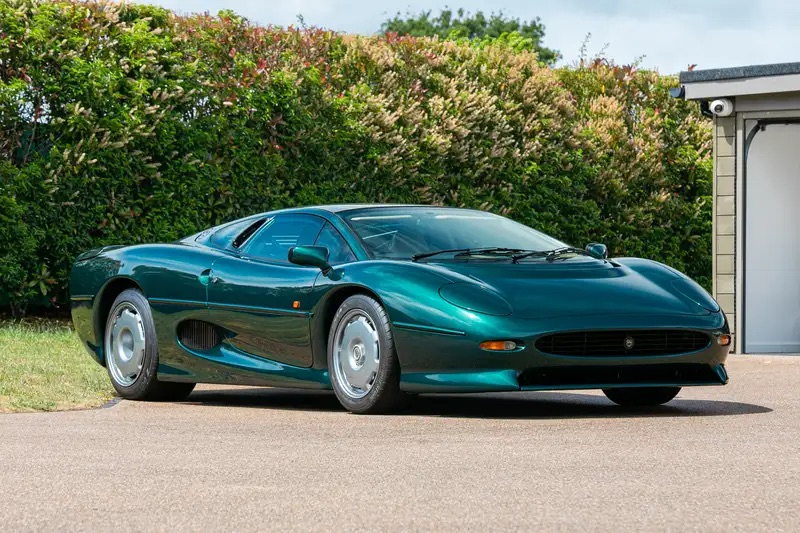
XJ220 leads the results
The headline result was the Anthony Hamilton Collection’s 1994 Jaguar XJ220. It sold for £506,250 and set a UK auction record.
That result matters. The XJ220 was once an underappreciated 1990s supercar. It now appears to be gaining the wider collector recognition many Jaguar fans felt was overdue.
Low mileage helped this example. So did its strong provenance and its place in British performance history. Together, those factors made it one of the defining results of the sale.
E-Types, Mk2s and recreations perform well
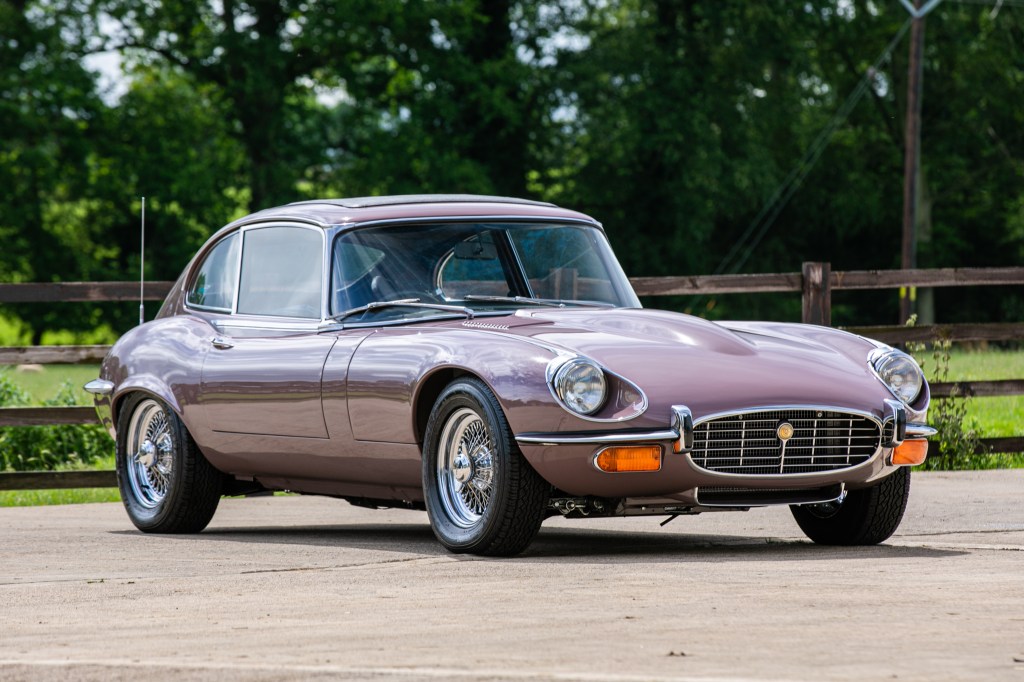
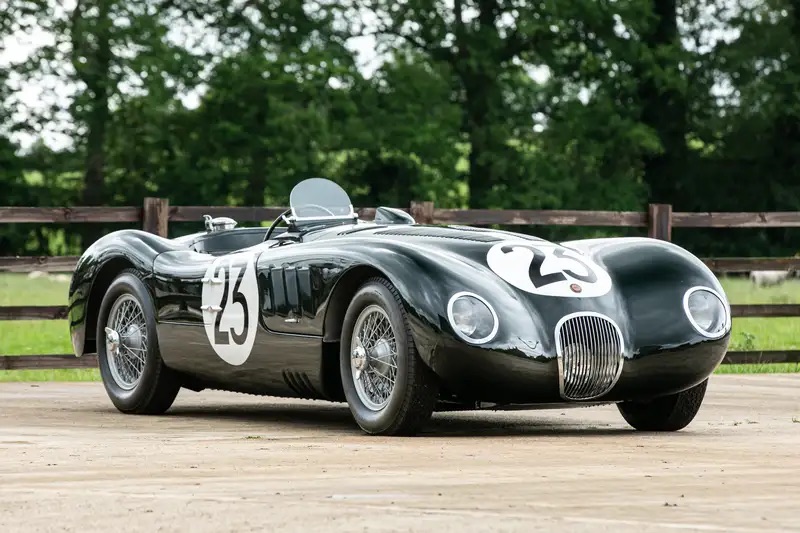
This was not just an XJ220 story. A Jaguar XJ13 recreation achieved £298,125. A Bespoke Tera V12 E-Type Coupé sold pre-sale for £210,375.
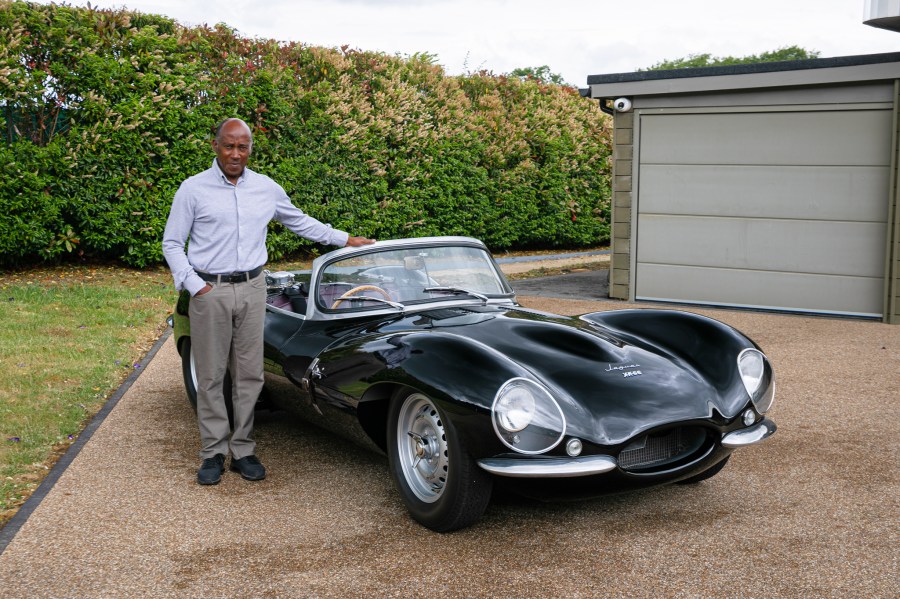
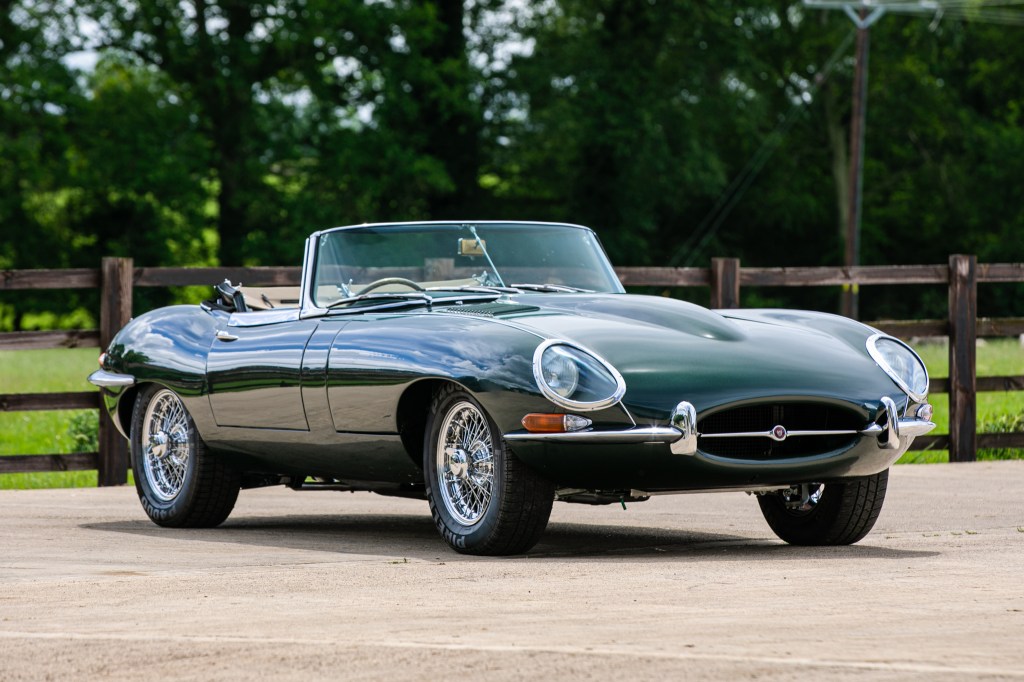
A Series 3 V12 Commemorative Roadster made £191,250. A Series I 4.2-litre Roadster from the Anthony Hamilton Collection achieved £119,250. A genuine period Coombs-modified Mk2 3.8 sold for £112,500.
These results show strength across several parts of the classic Jaguar market. The blue-chip cars remain desirable. E-Types, special-bodied recreations and the XJ220 all attracted serious money.
Sporting saloons with recognised provenance also performed well. The Coombs Mk2 result is a good example of that.
Why Jaguar still resonates
Jaguar’s appeal has always stretched across several different collector groups. The marque can offer graceful pre-war and post-war saloons, Le Mans-inspired sports cars, E-Type glamour and later supercar performance.
That breadth matters. It means the Jaguar market is not reliant on one model or one type of buyer. At Silverstone, interest came from several areas of the marque’s history.
The XJ220 appealed as a modern classic halo car. The E-Types brought traditional collector appeal. The Mk2 represented sporting saloon credibility. The XJ13 recreation added motorsport-inspired drama.
Has the rebrand helped classic Jaguar values?
Jaguar’s recent rebrand has been controversial. Some enthusiasts feel the modern brand has moved away from the values that made Jaguar famous.
That may have sharpened interest in the marque’s older cars. Many buyers still connect Jaguar with XK sports cars, E-Types, Mk2 saloons, Le Mans-inspired machines and later icons such as the XJ220.
The debate has also kept Jaguar in the public conversation. That attention may not always be comfortable for the brand. Even so, it has reminded many enthusiasts why Jaguar’s heritage still matters.
Is now the time to buy?
So, is now the time to buy a classic Jaguar?
For buyers who value Jaguar’s traditional identity, the answer may be yes. The strongest cars are making serious money. The XJ220, E-Type and Coombs Mk2 results all show confidence in the market.
The wider appeal of the marque is also important. Jaguar still offers options across different budgets, eras and tastes. That gives buyers a wide range of routes into ownership.
For some, the draw will be an E-Type. For others, it may be a Mk2, XK, XJS or XJ220. What Iconic Auctioneers’ BRDC Classic results showed is that the best classic Jaguars continue to command attention.
Classic Jaguar values look healthy. More importantly, the cars still have the character, beauty and history that made the marque famous in the first place.