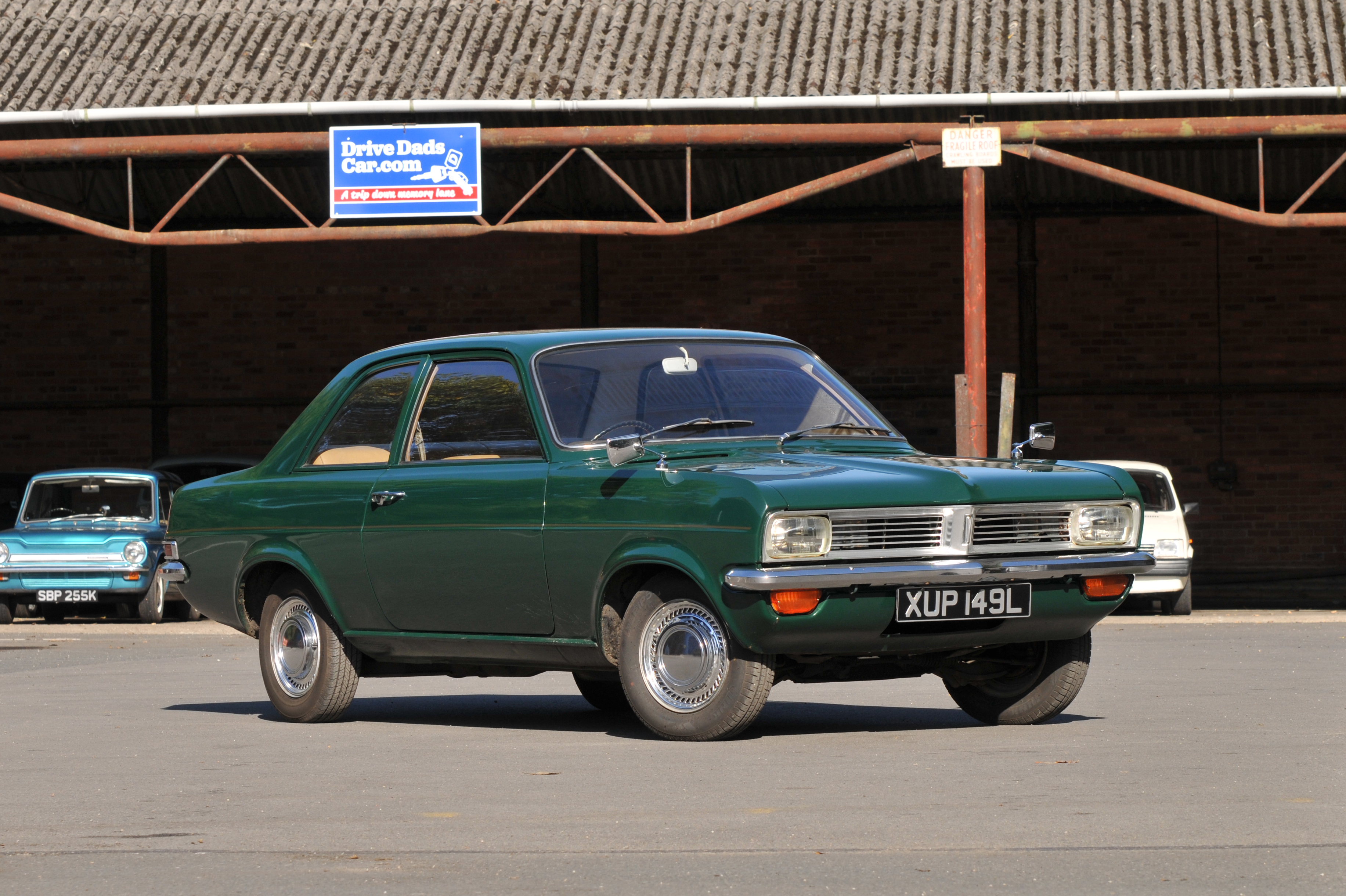

Once a piece of street furniture but now a relatively rare sight, the Viva HC is a great classic all-rounder. We get behind the wheel
The Viva made its debut in HA guise in 1963, becoming Vauxhall’s first foray into the small car market since the 1930s. It was introduced a year after fellow General Motors company Opel launched the Opel Kadett A, but the Vauxhall used imperial measurements rather than Metric.
The HA was very successful, with around 310,000 units sold, but was short-lived – in 1966 it was replaced by the bigger HB. Sporting a trendy Coke-bottle design, it no longer shared a platform with Opel and was solely a Vauxhall effort.
After sales of almost 567,000 HB Vivas, the HC arrived in 1970 – a range that would stay in production for an impressive nine years and be the hurrah for a Vauxhall-only design. Indeed, despite the arrival of the Chevette saloon and new Cavalier in 1975, the Viva lasted until 1979,
and though it was no Escort beater in the sales charts, the HC proved to be another smash hit, with almost 641,000 saloons and estates sold. The HC also became Vauxhall’s fastest selling new model of all time, chalking up its first 100,000 units in just seven and a half months.
Broadly similar to the HB but roomer and with more up-to-date styling, the HC offered the same 1159cc four-pot as before, replaced in late 1971 by an uprated 1256cc version. There was a 1599cc slant-four option too, which was upped to 1759cc in early 1972, with a 2279cc option added too. Vauxhall also expanded the HC range with the Firenza coupe in early 1971, and followed this up by endowing the 1.8- and 2.3-litre models with more luxurious trim and rebadging them as the Magnum in 1973. The Magnum models simplified a quickly diverging HC Viva range: the OHV models stayed as Vivas, although a Viva 1800 Super Luxury (SL) version remained on sale alongside the Magnum.
There was the famous HP Firenza too, which got a ‘droop snoot’ nose several years before the Mk2 Escort RS2000 and boasted a twin-carb 2.3-litre motor mated to a five-speed gearbox. Two years later, the E arrived as Vauxhall’s answer to the Ford Escort Popular, and was first offered as a promotional edition two-door coupe using surplus Firenza body shells, before becoming a permanent Viva model in two-door saloon form.
Come 1976, the Sports Hatch took Firenza HP panels and melded them to a Magnum 2300 estate to form one of the best HCs, but the Magnum nameplate disappeared in 1977, and the Viva followed in 1979.
When it comes to compact 1970s saloons, the Vauxhall Viva HC never seems to receive the column inches enjoyed by its Ford Escort rival. And yet it was another smash hit, building on the success of previous Vivas with sales of almost 641,000 – and that’s despite the Cavalier and Chevette arriving during the second half its life.
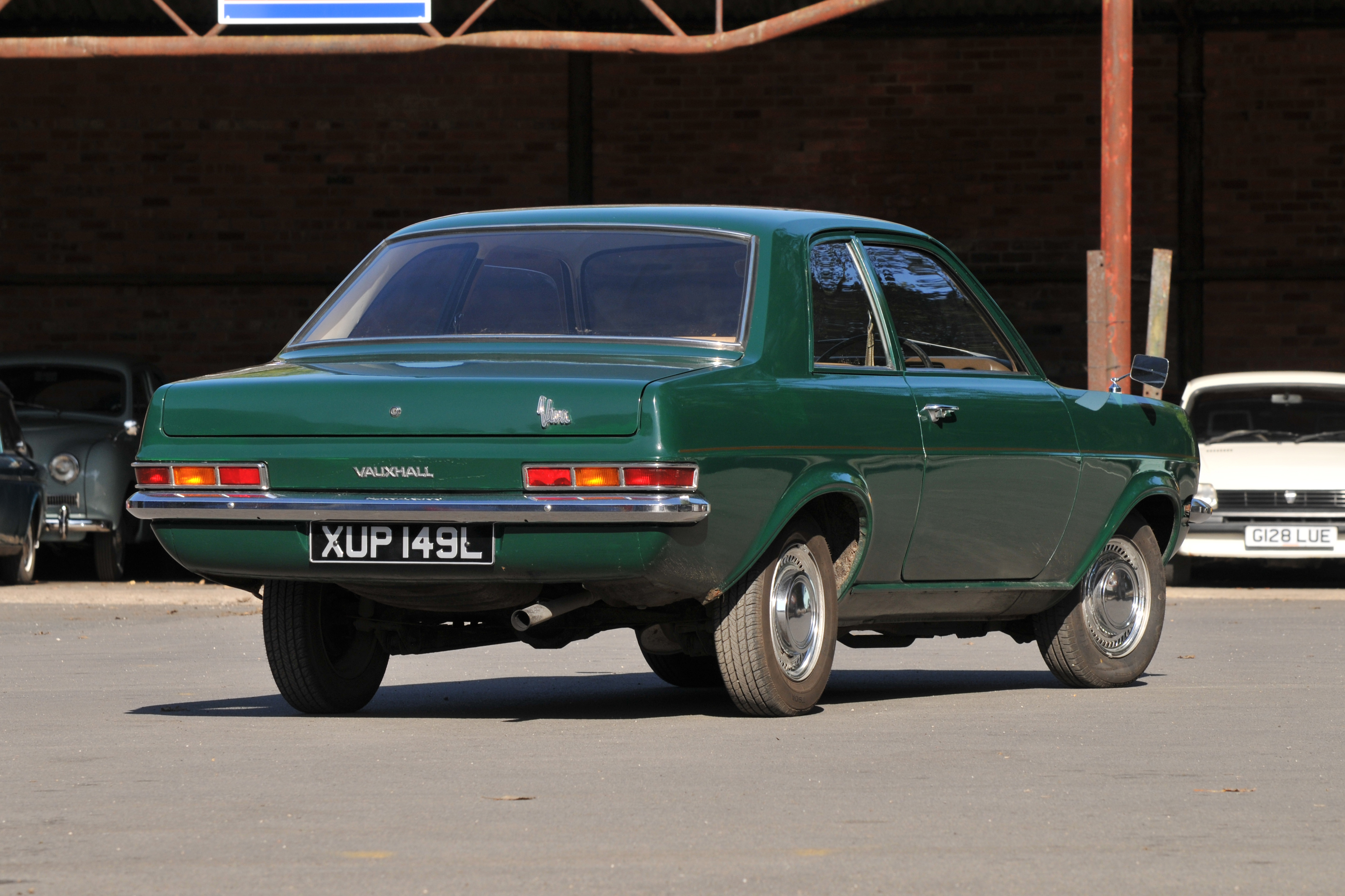
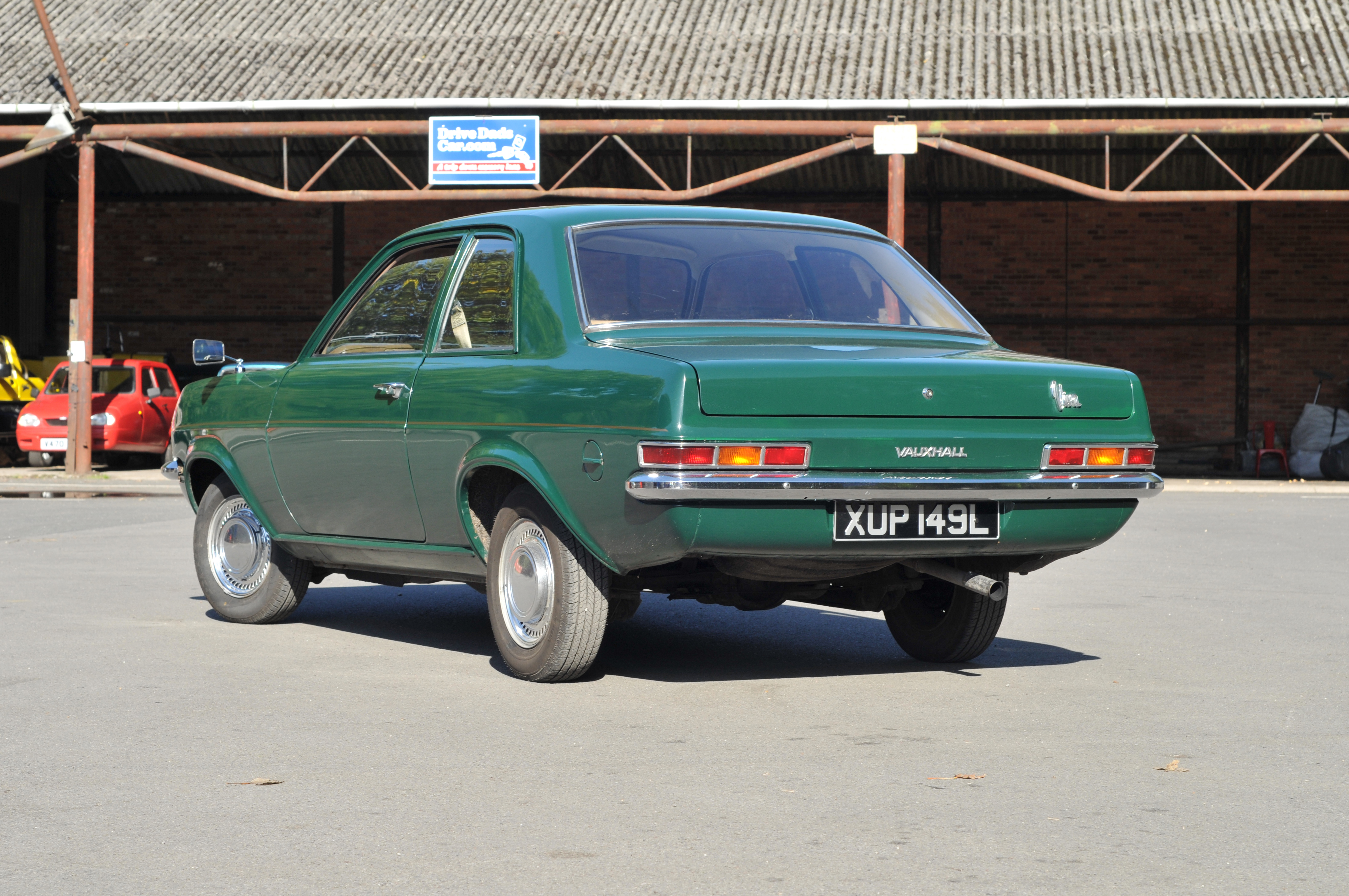
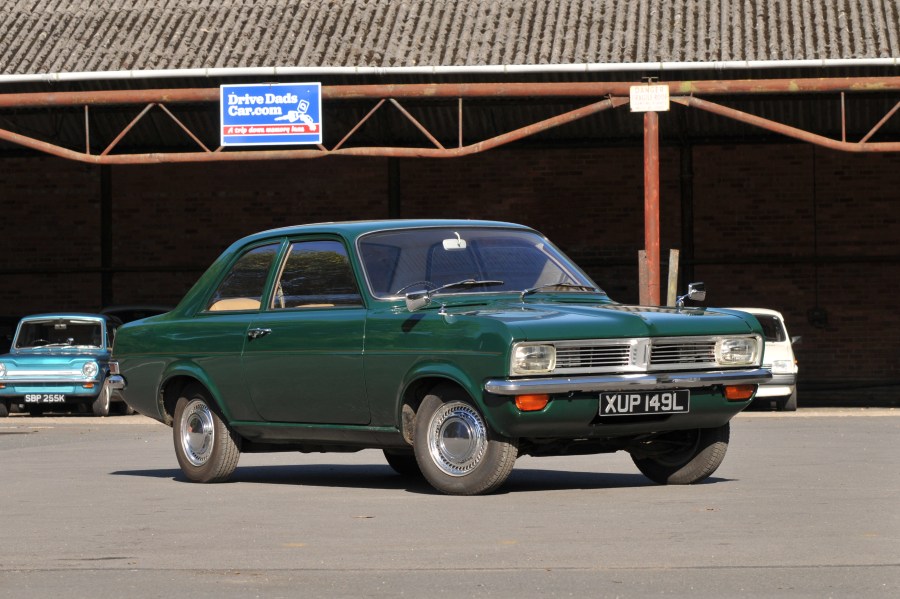
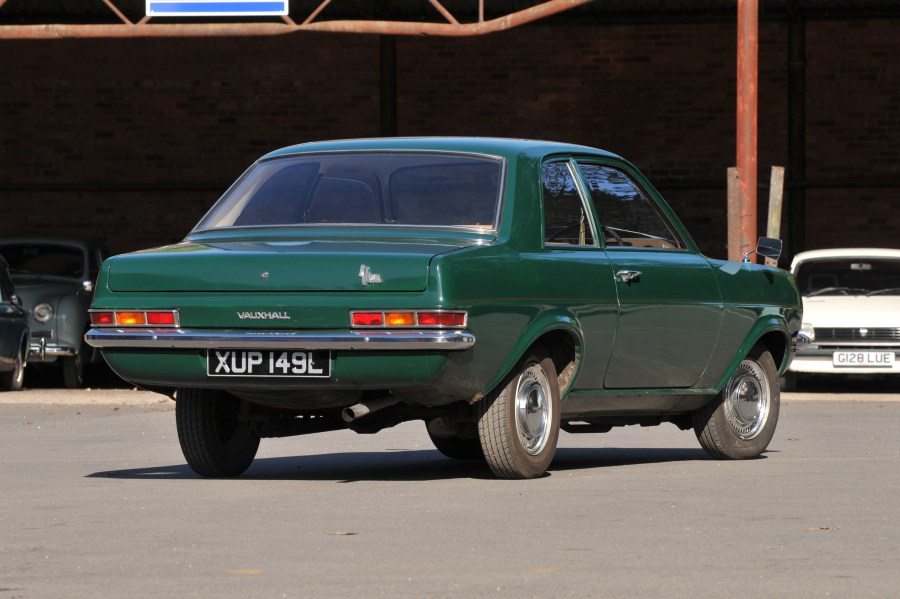
The HC made its debut in 1970, based on the HB but stepping up marginally in size. While it still carried a hint of Americana, it shed the HB’s classic Coke-bottle curves for a more contemporary look. The 1972 example from the Drive Dad’s Car fleet at Great British Car Journey for a spin is a particularly special treat — any HCs is a rare sight today, but an early model like this is even more special. Rust resistance was never a Vauxhall strong point in this era, and although the HC fared better than the HA, the earliest cars didn’t hold up as well as the post-’73 models, which benefited from what Vauxhall called “complete underbody seal.” With replacement panels much harder to track down than with rivals such as the Ford Escort too, it’s easy to see why so many HCs struggled to survive.
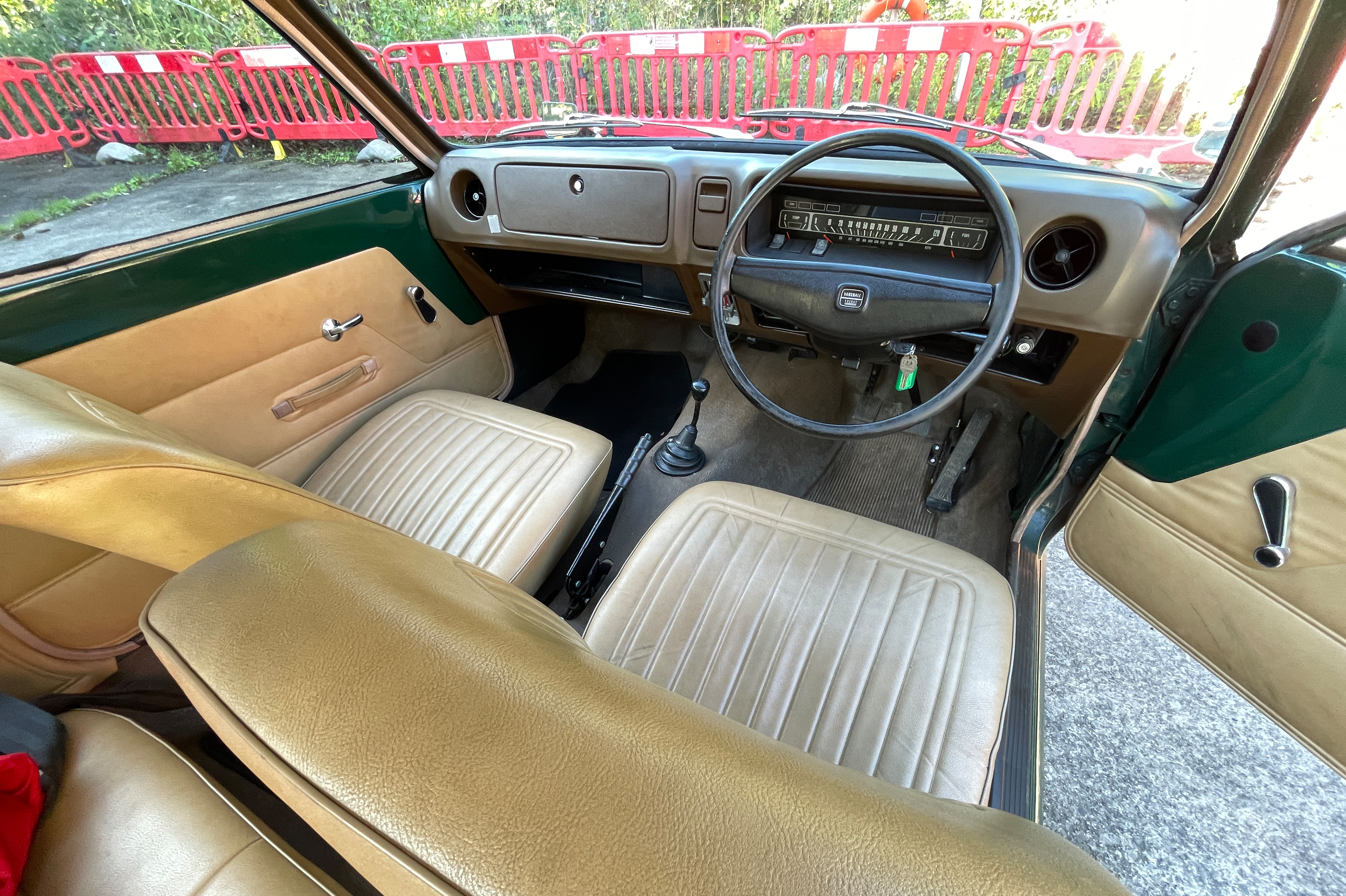
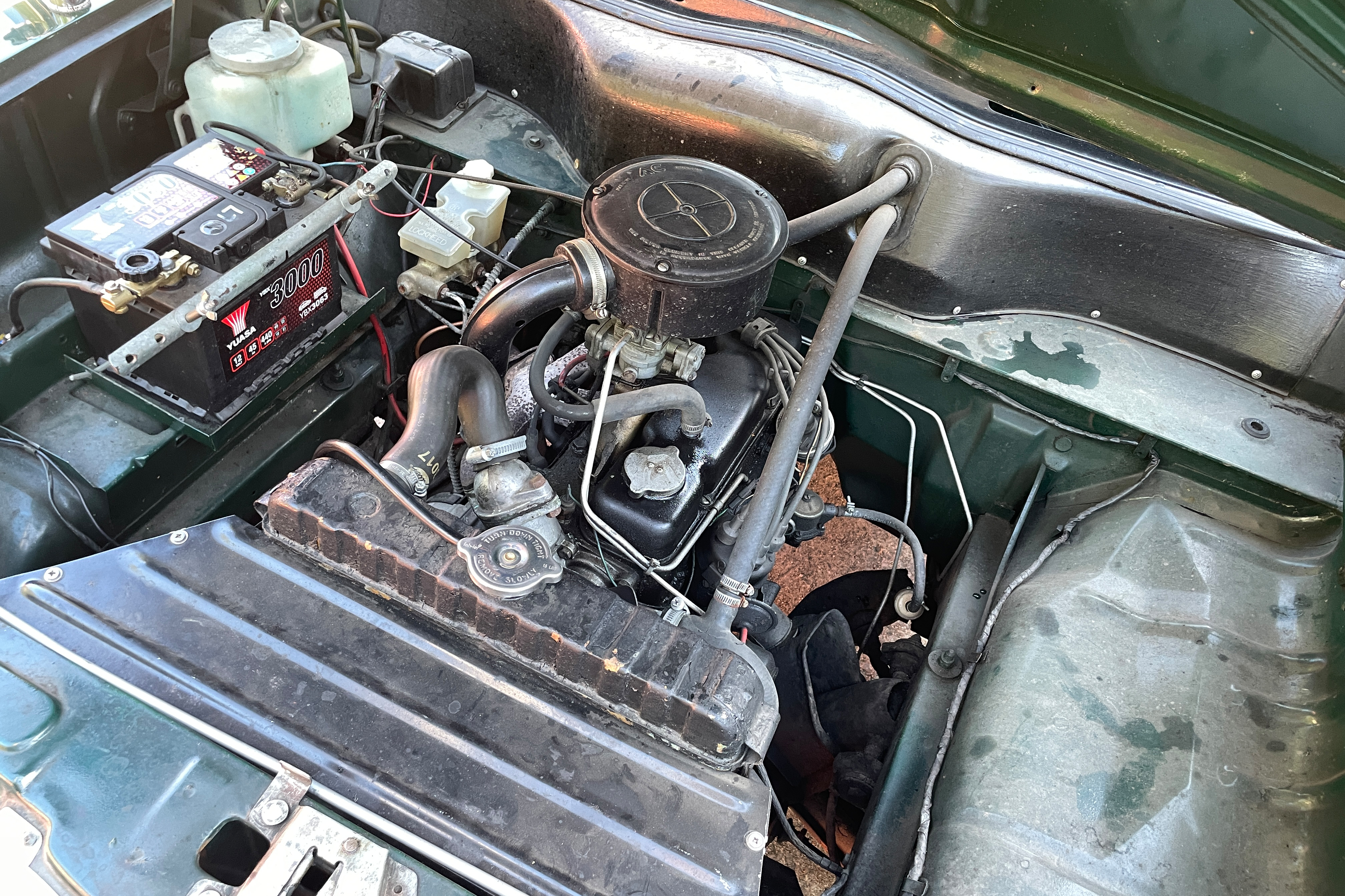
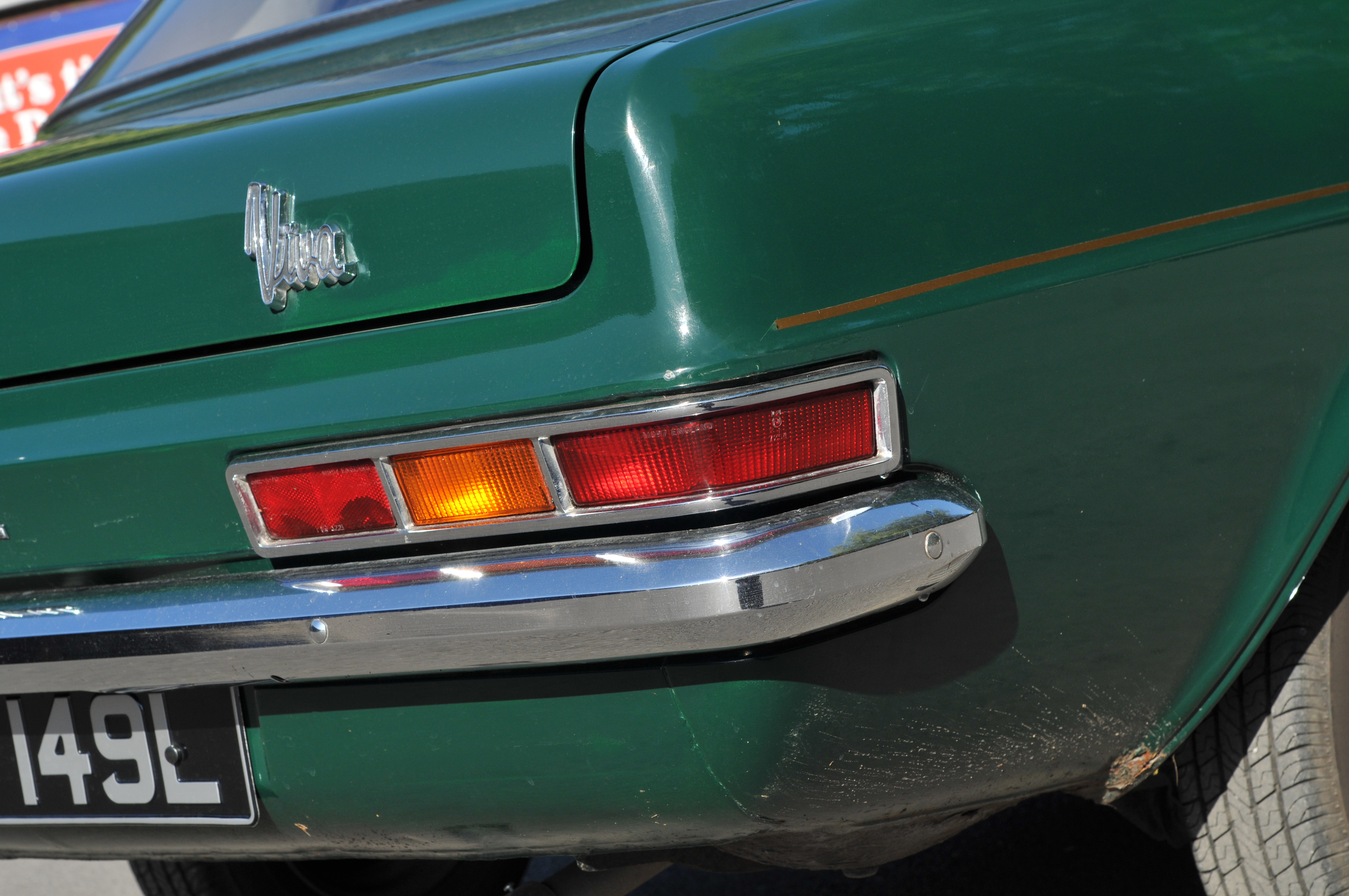
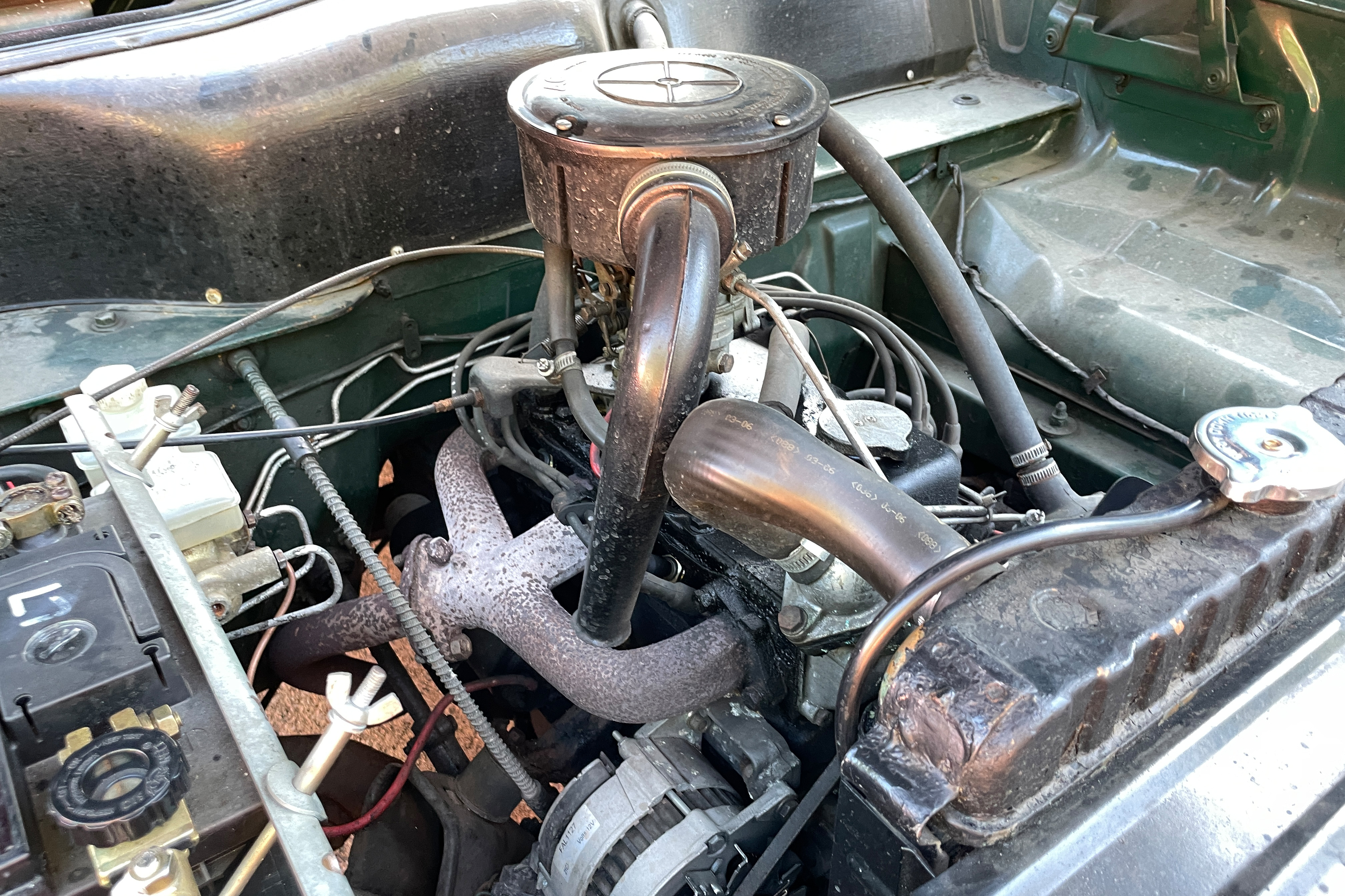
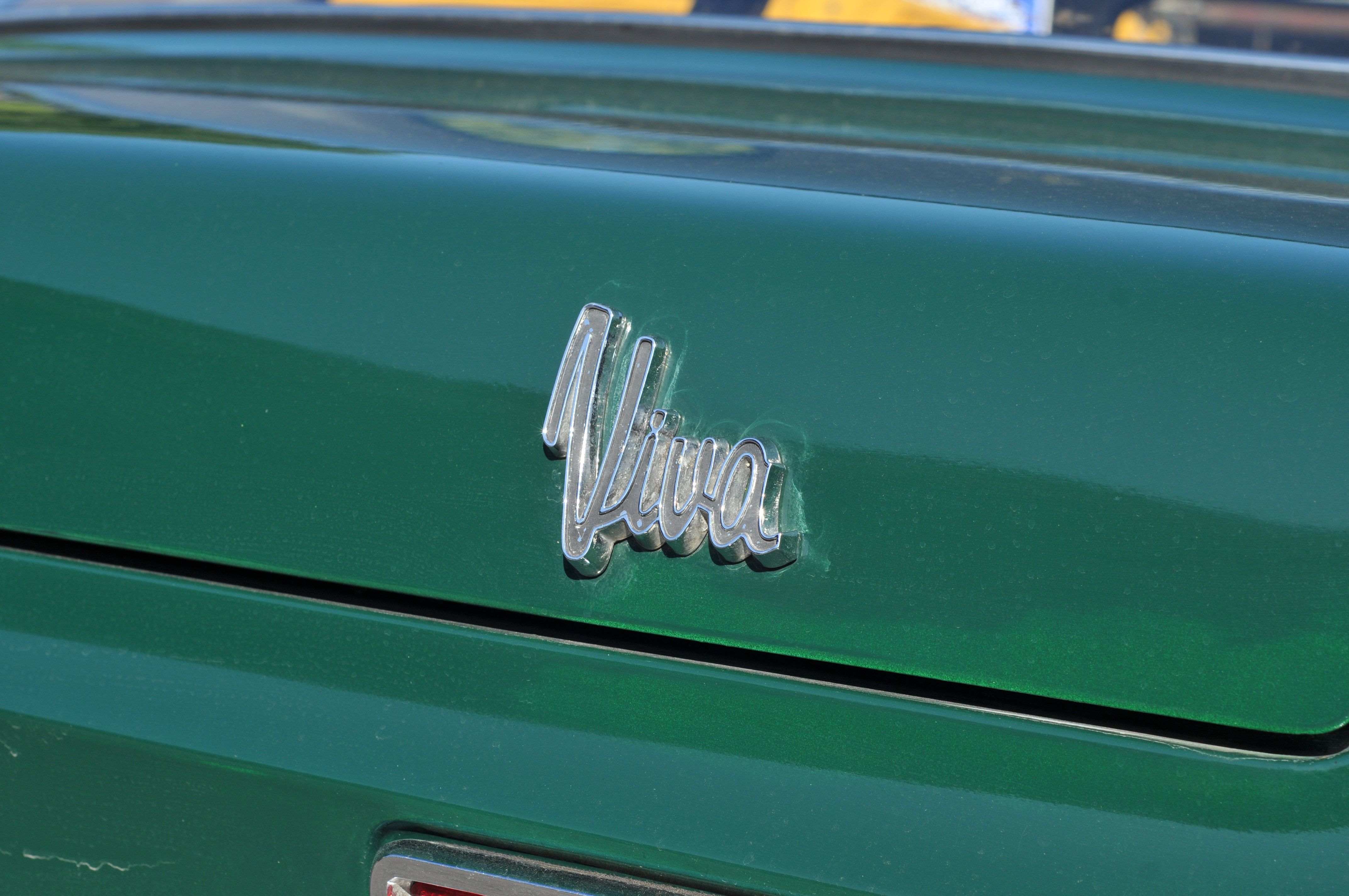
Being a 1972 car, this entry-level example pre-dates the front disc brakes that were standardised across the range the following year. But it does have the 1256cc OHV engine, which arrived in late 1971 to replace previous 1159cc four-pot that had also been used for the HB. It’s a very basic car, with non-reclining vinyl seats and no heated rear window, and as such represents just how motoring was for many families back in period. Indeed, this car is the perfect time-warp, with its superb Conifer Green exterior in immaculate order and just 39,000 miles showing on the odometer.
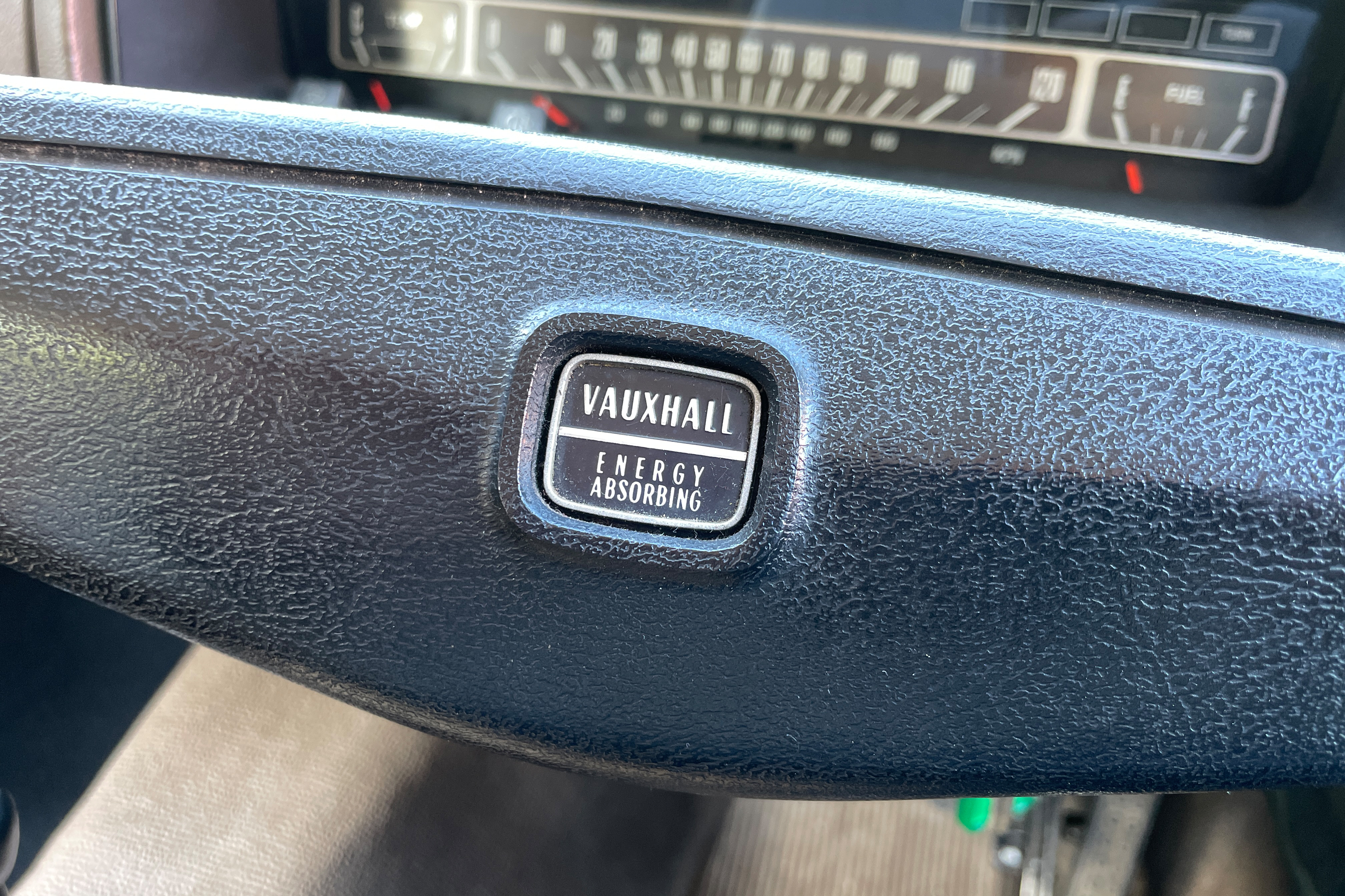
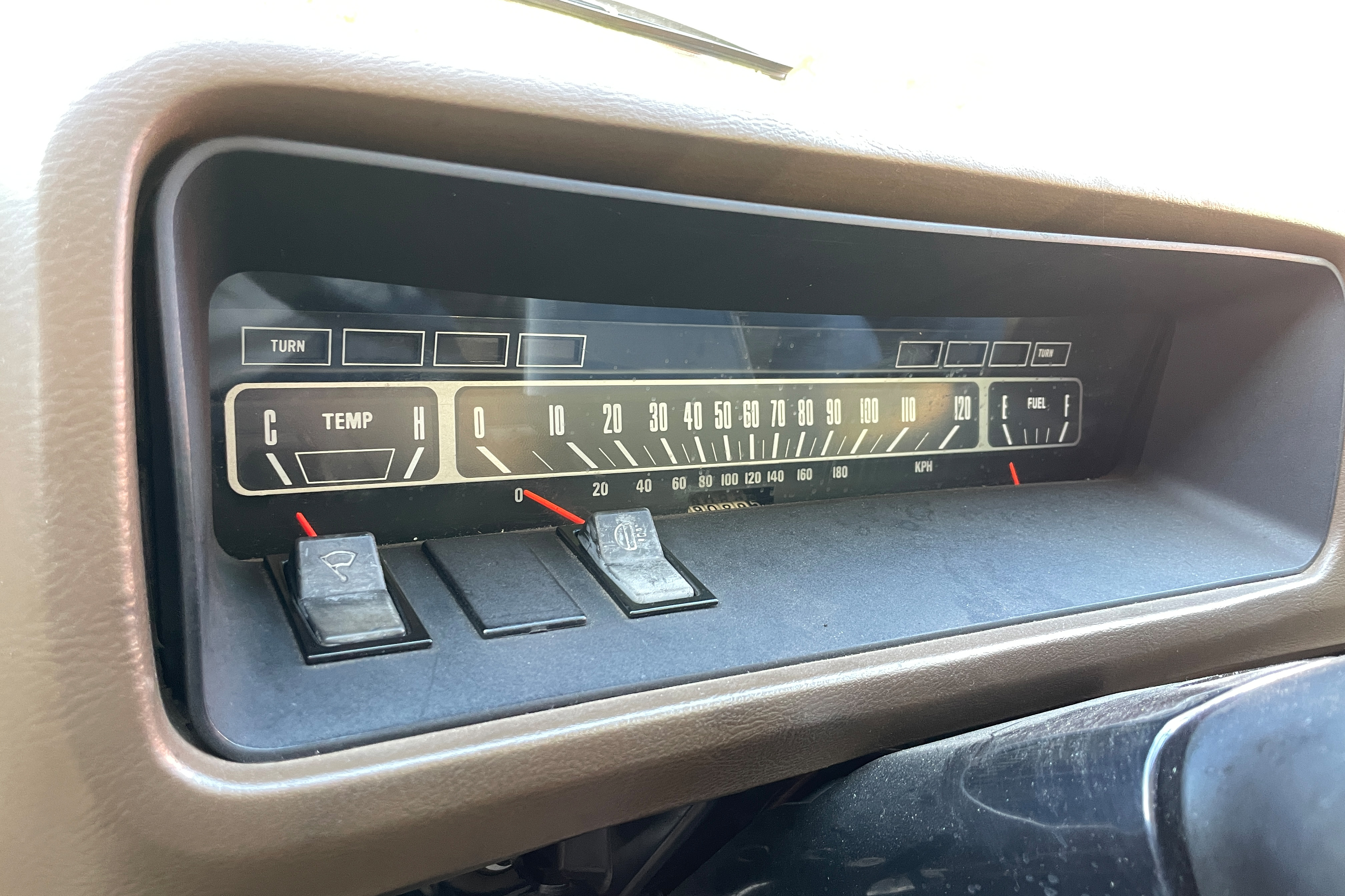
Settling into the vinyl seat and taking in the view behind the ‘energy absorbing’ steering wheel and full-width dash, it’s fair to say you can see the Viva was built to a price. The dash is quite plasticky, the instrumentation is very basic, the rocker switches look like an afterthought and the there’s plenty of exposed metal on the insides of the doors. However, none of this is out of step for the period.
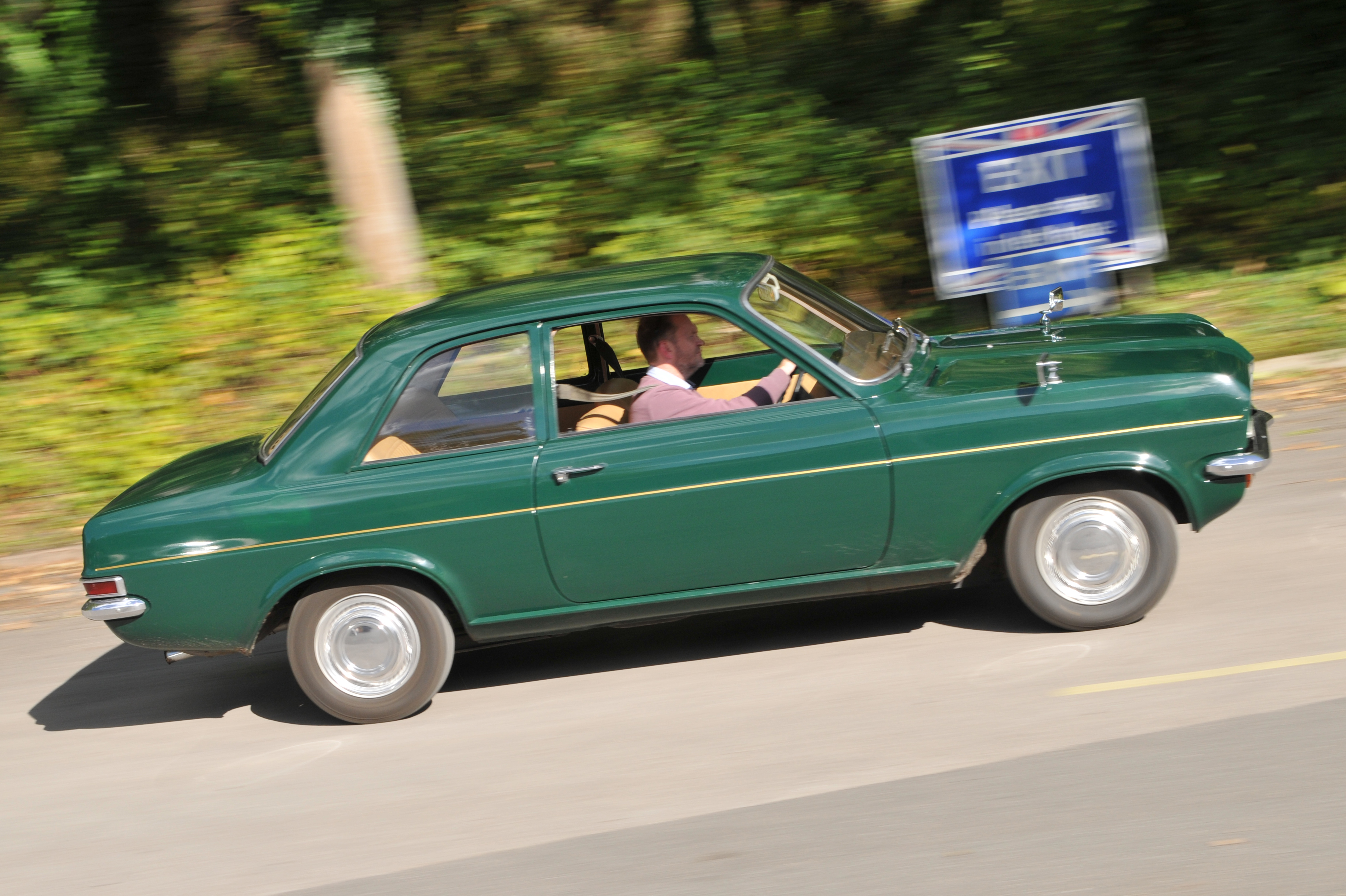
The 1256cc OHV motor never had a reputation from being the strongest unit – it wasn’t uncommon for 60,000-mile units to be on their last legs in period, but this low-mileage unit fires up immediately, and is remarkably quiet. On the move it’s no ball of fire but it’s enchanting engine that feels smooth and refined. The four-speed manual gearbox is an absolute gem – the short-throw gear lever is a joy to use and changes are smooth. The suspension is lovely too, endowing the Viva with a very comfortable ride, and the steering is very light – there’s a bit of play evident, but it’s still direct and communicative. All told, the Viva is a very easy car to drive, if not one you’d throw into corners with too much gusto.
Our verdict
The Viva was street furniture for much of the 1970s and beyond, but many were run into the ground, so a nice example like this is a reminder of how pleasant the Viva can be. The HC is a comfortable classics that’s easy to drive, has a superb gearbox and looks fabulous.
The HB and HC Viva came up against the Mk1 and Mk2 Escort while in production, and these days they offer an intriguing alternative to those rather more expensive Fords. A well-preserved Viva will provide you and your family with sensible classic motoring at an affordable price, and maintaining these cars is an uncomplicated business. So if you fancy a period British-built saloon (or estate) and you’re keen to break away from the usual Ford or British Leyland options, this long-lived Vauxhall range is well worth considering.
Of course, if you don’t want to hang around for an example as nice as this to appear on the market, then there’s a shortcut – head to Drive Dad’s Car, and take it out for yourself. For those who remember these cars when they were everywhere, the experience is bound to evoke plenty of nostalgia.